Unleashing Your Legacy: The Power Of Meaningful Storytelling
By Tom Seest
At WebsiteBloggers, we help website bloggers develop strategies to create content, traffic, and revenue from website blogs based on our experiences and experimentation.
Be sure to read our other related stories at WebsiteBloggers and share this article with your friends, family, or business associates who run website blogs.
Can You Capture Your Legacy Through Meaningful Storytelling?
When it comes to legacy, most folks are concerned about how they’re remembered. But here’s the kicker: it often boils down to the stories we tell. Have you ever stopped to consider that your life is a compilation of experiences, insights, and anecdotes just waiting to be shared? Consider your own life a website blog—a canvas full of opportunities to capture and convey your unique narrative.
Every day, we create memories that shape who we are. Whether it’s the time you fixed your first car or the moment you stood up for a friend, those experiences are more than mere events; they’re the building blocks of your legacy. But far too often, we keep those stories tucked away, thinking they’re too mundane or ordinary. Here’s the truth: the mundane can be surprisingly profound. It’s in the small moments, filled with raw, unfiltered emotion, where your authentic voice shines.
Imagine your grandkids reading a blog that chronicles your life adventures. Wouldn’t you want them to know not just the highlights, but the struggles and the learning moments too? What made you tick? What fueled your passion? By weaving these tales together with grit and humor, you’re not just recounting events; you’re offering a glimpse into the process that shaped you.
Storytelling isn’t just for the gifted wordsmiths or those with a flair for drama. It’s for anyone willing to reflect and share. Think about the conversations you have with friends over a cup of coffee. Those heartfelt exchanges and exchanges of laughter are, in essence, storytelling at its finest. Your legacy deserves more than a fleeting laugh; it deserves to be inscribed in memory through intentional and meaningful storytelling.
So grab that metaphorical pen, and start drafting your narrative. Use your website blog as a digital scrapbook, where photos, anecdotes, and thoughts converge to tell the grand story of you. This isn’t just about chronicling your triumphs; it’s about sharing the lessons learned, the laughs shared, and the connections forged along the way.
Your legacy isn’t just a byproduct of your life; it thrives through the stories you choose to tell and how you choose to tell them. So, what’s your story? The world is waiting to hear it.

Can You Capture Your Legacy Through Meaningful Storytelling?
Can You Capture Your Legacy Through Meaningful Storytelling?
- Legacy is often defined by the stories we share about our lives.
- Life is a collection of experiences and anecdotes that can be shared, much like a blog.
- Every memory, from simple moments to significant events, contributes to our legacy.
- We often underestimate the value of mundane experiences, which can hold profound insights.
- Storytelling allows future generations to connect with our struggles and motivations, beyond just achievements.
- Meaningful storytelling is accessible to everyone, not just those with exceptional writing skills.
- Your legacy is shaped by the stories you choose to tell, making it essential to start sharing your narrative.

Can You Capture Your Legacy Through Meaningful Storytelling?
Table Of Contents
- Can You Capture Your Legacy Through Meaningful Storytelling?
- Can Storytelling Preserve Your Family History Effectively?
- What Makes A Legacy Story Meaningful?
- How Can You Choose The Right Stories To Tell?
- What Are The Best Methods For Capturing Memories?
- How Do You Engage Your Audience In Your Legacy Stories?
- What Tools Can Help In Preserving Your Storytelling?
- How Does Storytelling Strengthen Family Bonds?
- Conclusion
- Other Resources
- Glossary Of Terms
- Other Questions
- Haiku
- Poem
- Checklist
Can Storytelling Preserve Your Family History Effectively?
When we think about preserving family history, most of us conjure up images of dusty photo albums, crumbling letters, or even the proverbial family tree—branches stretching out like a tangled mess of roots. But allow me to suggest an alternative approach that’s as timeless as it is engaging: storytelling.
Storytelling is an art form as old as humanity itself. It’s how we’ve shared our experiences, our failures, and our victories for generations. While a Website Blog may provide a cold, stark account of events, storytelling brings life to those facts, pulling at heartstrings and igniting the imagination. Let’s face it, no one’s going to reminisce about their great-grandfather merely because they read a date on a screen. But get them talking about “that wild tale” from yesteryear, and suddenly you have a captivated audience.
So how does storytelling work as a tool for preserving family history? For starters, it makes memories tangible. Remember the stories told around the dinner table, the laughter echoing like a familiar tune? It’s those moments—woven together with humor, sorrow, and love—that stick with us. They aren’t just events; they’re experiences that shape who we are. And when you tell your family’s stories, you’re doing so much more than recounting history. You’re reinforcing cultural heritage, values, and moral lessons.
Take the time to gather your family members and engage in a conversation. Ask them about their favorite memories or cherished anecdotes. Record them. Write them down. Share them on a Website Blog or within your family circle. The more you tell these tales, the more they become part of your family’s identity—and let’s be clear: identity matters.
Now, some might argue that with the advent of technology, preserving family history has never been easier, and they’re right! Digital tools and platforms make it possible to document stories like never before. However, they can’t replace the raw, human connection that storytelling brings.
Ultimately, it’s not just about the facts—it’s about the stories behind those facts. So, take out the old photo albums, dust off the heirloom letters, and let those tales flow. Because while technology can preserve history, it’s storytelling that breathes life into it, ensuring that your family legacy remains vivid and unforgettable.

Can Storytelling Preserve Your Family History Effectively?
Can Storytelling Preserve Your Family History Effectively?
- The traditional view of preserving family history often involves photo albums and letters.
- Storytelling is an engaging and timeless method of sharing family history.
- Unlike stark accounts on websites, storytelling evokes emotions and captivates audiences.
- Storytelling makes memories tangible and highlights experiences that shape identity.
- Gathering family members to share memories reinforces cultural heritage and values.
- While technology aids in preserving history, it cannot replace the human connection found in storytelling.
- Ultimately, it’s the stories behind the facts that enrich family legacies and keep them alive.

Can Storytelling Preserve Your Family History Effectively?
What Makes A Legacy Story Meaningful?
When you take a step back and ponder the essence of a legacy story, you quickly realize it goes beyond mere facts and figures. It’s not just about the milestones or achievements; it’s about the heart and soul that comes along with them. A meaningful legacy story is woven from the threads of human experience, rich with emotions, trials, and triumphs that reveal who we are at our core.
First and foremost, a legacy story is personal. It’s not a statistical report or a dry recounting of events; it’s an authentic narrative that captures the essence of someone’s life. When you read about the struggles and successes of a person, it connects with you on a deeper level, igniting empathy and understanding. This intimacy is what makes a story resonate with others. We all crave connection, and what better way to achieve that than through the sharing of genuine experiences?
Another vital aspect is the storytelling itself. The way a story is told—its rhythm, its timing, its visual imagery—can turn dry details into a vivid tapestry that pulls the audience in. Think of a website blog that uses vibrant language and relatable anecdotes. It’s the difference between hearing a tune and feeling the music. A well-told legacy story isn’t just informative; it’s captivating, urging us to reflect on our own lives and consider how we might want to be remembered.
Additionally, a meaningful legacy story often highlights the values, lessons, and principles that shaped a life. It doesn’t just stop at recounting events; it digs deeper into why those events matter. It explores the choices that defined a journey and raises questions about purpose, integrity, and impact. When a story can inspire others and provoke thought, you know it has weight. Legacies that endure are not just tales told; they are insightful discussions about life choices that influence future generations.
In summary, a meaningful legacy story is characterized by its personal touch, engaging narrative, and the values it embodies. Just like a well-crafted piece on a website blog, it presents a life in all its complexity and richness, leaving an indelible mark on the hearts of those who encounter it. Ultimately, it’s about forging connections—bridging past, present, and future in a way that honors a life lived fully and meaningfully.

What Makes A Legacy Story Meaningful?
What Makes A Legacy Story Meaningful?
- A legacy story transcends mere facts and figures, focusing on the heart and soul behind achievements.
- It is a personal narrative that captures the essence of someone’s life, fostering empathy and understanding.
- The storytelling itself is crucial; effective narratives use rhythm, timing, and imagery to captivate audiences.
- Meaningful legacy stories highlight the values, lessons, and principles that shape a person’s journey.
- They provoke thought about purpose and impact, inspiring others and influencing future generations.
- A well-crafted legacy story reflects the complexity of life, leaving a lasting impression on others.
- Ultimately, these stories forge connections that bridge past, present, and future, honoring a life lived meaningfully.

What Makes A Legacy Story Meaningful?
How Can You Choose The Right Stories To Tell?
Choosing the right stories to tell is a bit like selecting the right tool for a job. You need something that fits the task at hand while also resonating with your audience. Stories, after all, are more than just words; they’re bridges that connect experience and understanding. So, how do you find the right narrative to share, whether it’s on your website or in a blog post?
First, consider your audience. What do they care about? What keeps them up at night? When you understand their interests, you’re already halfway there. Is your focus on Problem-solving? Inspiring transformation? Or maybe it’s about celebrating the everyday grit and determination that make people tick. Knowing what resonates with your audience allows you to tailor your stories to meet their needs.
Next, think about your own experiences. Each person has a treasure trove of stories gathered from life’s ups and downs. Look for moments that highlight perseverance, learning, and growth. These narratives don’t need to be grand or glamorous; sometimes, the smallest moments carry the biggest lessons. Be authentic about what you share—authenticity builds trust, and trust keeps people engaged.
Another critical factor is relevance. The stories you tell should reflect broader themes that relate to current events, movements, or industry changes. Stay informed, and look for ways to tie your experiences to what’s happening in the world around you. There’s power in connecting your personal tales to shared experiences, drawing in your audience by reflecting the challenges and triumphs they’re experiencing themselves.
Don’t shy away from vulnerability, either. Some of the best stories come when you showcase your flaws and failures. People relate to imperfections, and honesty can be a powerful connector. Narratives of struggle—how you wrestled with a problem and found a solution—often resonate deeply.
Finally, refine and edit your stories. Format matters. Whether you’re showcasing them on a website or weaving them into a blog, clarity and conciseness are key. Cut out the fluff and get to the heart of the matter. Remember, you’re sharing a journey, and the destination should be clear.
Storytelling is an art, but it’s also a craft. By knowing your audience, drawing from personal experience, ensuring relevance, embracing vulnerability, and refining your message, you can choose stories that not only entertain but inspire action and connection.

How Can You Choose The Right Stories To Tell?
How Can You Choose The Right Stories To Tell?
- Select stories like a tool for a job, ensuring they resonate with your audience.
- Understand your audience’s interests and concerns to tailor your narratives effectively.
- Draw from personal experiences that highlight perseverance, learning, and growth.
- Ensure the relevance of stories to current events and broader themes in your industry.
- Embrace vulnerability by sharing flaws and failures to create relatable narratives.
- Edit and refine your stories for clarity and conciseness, focusing on the core message.
- Use storytelling as both an art and a craft to inspire action and connection.
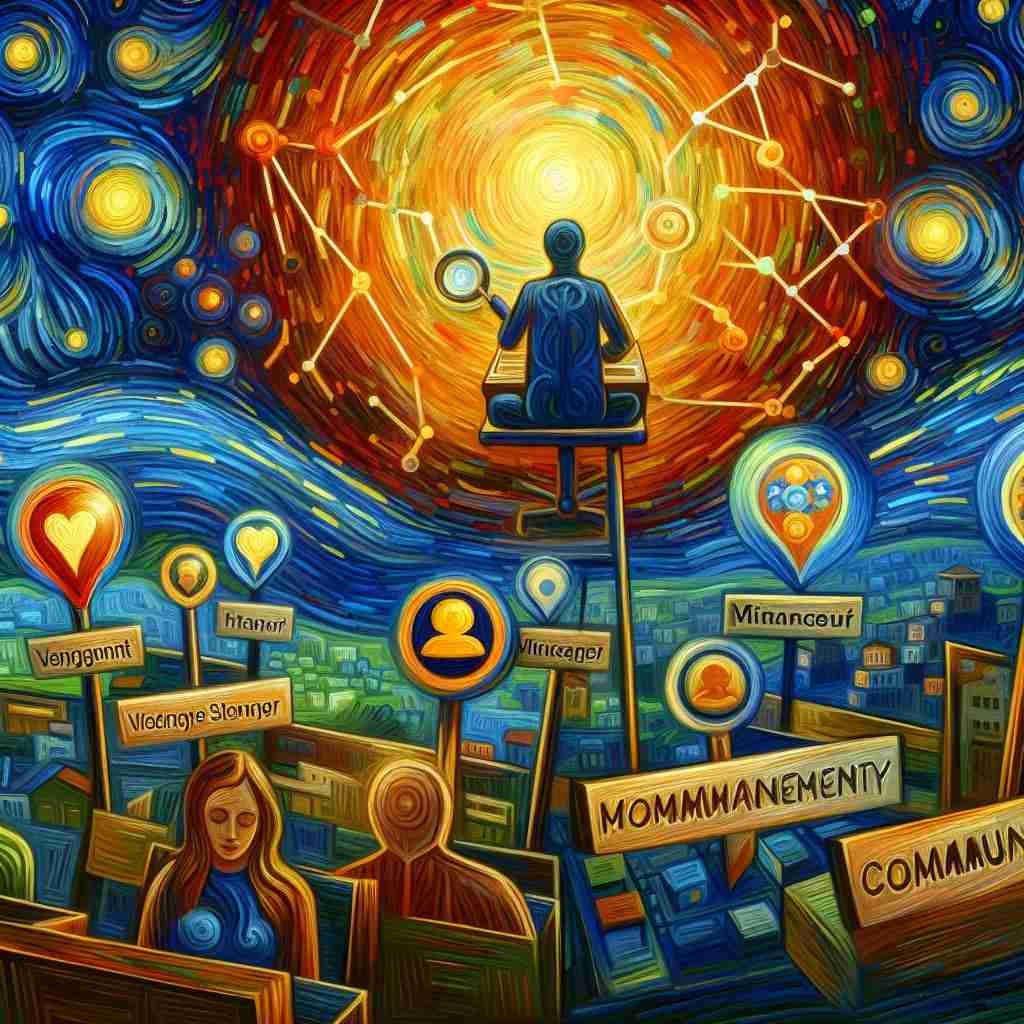
How Can You Choose The Right Stories To Tell?
What Are The Best Methods For Capturing Memories?
In a world buzzing with distractions, there’s something profoundly rewarding about capturing memories the right way. It isn’t just about snapping a picture; it’s about preserving moments that tell your story. So, let’s dive into some effective methods for capturing those fleeting slices of life.
First off, you’ve got your trusty smartphone. It’s practically glued to our hands these days, and while it’s a gateway to endless scrolling, it’s also a powerful tool for memory-making. Embrace the spontaneity by snapping candid photos of friends and family. A website or blog dedicated to photography tips can guide you on composition and lighting, helping you elevate those snapshots to something worthy of time’s frame. Remember, though, that the best stories often come from unplanned moments—so keep that phone close, but don’t forget to unplug once in a while.
Next up, consider journaling. It might sound old-fashioned in a digital age, but writing things down has a magic all its own. Whether you opt for a leather-bound diary or a simple notepad, chronicling your thoughts, feelings, and experiences leads to a deeper connection with your memories. You can go back years later and see how much you’ve grown or what made you laugh. You might even find inspiration for your own website blog! Turn those experiences into narratives that not only capture what happened but also explore how those moments shaped you.
Another fantastic method is creating a tradition. Gather your loved ones for a weekly dinner, maybe a monthly photo challenge, or even an annual trip. These habits construct a tapestry of memories you’ll cherish. Social media platforms can amplify these experiences, allowing you to share your favorite moments and inspire others to create their own.
Lastly, don’t overlook the power of audio and video. Recording short clips of significant events, like birthday celebrations or family reunions, helps capture the sights and sounds that a still photo simply can’t. Plus, if you curate these memories into a family movie night, you’re not just capturing memories; you’re reigniting stories that might otherwise fade away.
The best method is the one that resonates with you. It’s about finding what works and keeping those memories alive, not just for you, but for those who come after you.

What Are The Best Methods For Capturing Memories?
What Are The Best Methods For Capturing Memories?
- Capturing memories is rewarding and involves preserving moments that tell your story.
- Smartphones are powerful tools for memory-making; embrace candid photography of friends and family.
- Use photography tips for composition and lighting to enhance your snapshots, but remember to unplug sometimes.
- Journaling, whether in a diary or notepad, provides a deeper connection with memories and personal growth.
- Create traditions like weekly dinners or monthly photo challenges to weave a tapestry of cherished memories.
- Utilize audio and video recordings to capture significant events, adding depth that photos alone cannot.
- Find the memory-capturing method that resonates with you to keep those moments alive for yourself and future generations.

What Are The Best Methods For Capturing Memories?
How Do You Engage Your Audience In Your Legacy Stories?
When it comes to sharing legacy stories, the key is to tap into the raw, unfiltered experiences that shape who we are. Think of your audience as fellow travelers on the road of life. They’re not just passive listeners; they want to feel the bumps and curves alongside you. This is where the magic happens. You want your words to resonate and inspire.
Start with authenticity. It’s tempting to polish your tales until they shine, but remember, every scratch and dent tells a story. Whether you’re writing a website blog or sharing anecdotes verbally, don’t shy away from your missteps. Vulnerability is a powerful tool. When you open up about your struggles and triumphs, it creates a bond. People inherently connect with stories of perseverance, laughter, and the occasional faceplant.
Next, harness the power of detail. Paint a picture with your words. Instead of simply recounting an event, immerse your audience in the experience. Describe the sights, sounds, and smells. What did the air feel like? What emotions colored the moment? When your audience can see, hear, and feel what you’re describing, they take a journey with you. They’ll remember the experience long after the story has ended.
Engagement isn’t just about what you say; it’s also about how you invite others to participate. Ask open-ended questions that encourage reflection. “Have you ever felt that rush?” or “What would you have done in this situation?” Such questions don’t just keep the audience attentive; they spark conversations that can continue long after you’ve finished.
Lastly, share your legacy stories with a sense of purpose. What’s the broader lesson you want to impart? Each story should carry a nugget of wisdom, something that prompts your audience to think, reflect, or even act. The aim isn’t just to entertain but to inspire. Make your audience feel like they’re part of something bigger, a tapestry woven from shared experiences.
Engaging your audience is about connection. It’s about sharing not just your legacy, but inviting others to see themselves within your narrative. When they leave, make sure they carry a piece of your story with them, ready to pass it on. It’s this exchange that truly brings legacy stories to life.

How Do You Engage Your Audience In Your Legacy Stories?
How Do You Engage Your Audience In Your Legacy Stories?
- Share legacy stories by tapping into raw, unfiltered experiences that shape identity.
- Connect with your audience as fellow travelers, aiming to resonate and inspire them.
- Emphasize authenticity by including missteps and vulnerabilities within your stories.
- Use detailed descriptions to immerse the audience in the experience, engaging their senses.
- Encourage participation with open-ended questions that spark reflection and conversation.
- Impart a broader lesson or nugget of wisdom with each story to inspire and provoke thought.
- Foster connection through storytelling, allowing the audience to see themselves in your narrative.

How Do You Engage Your Audience In Your Legacy Stories?
What Tools Can Help In Preserving Your Storytelling?
When it comes to preserving storytelling, the digital age offers a smorgasbord of tools designed to capture our narratives, one word at a time. Whether you’re a seasoned storyteller or a novice eager to share your journey, a well-crafted website can serve as your personal stage. Websites not only provide a platform for your stories but also allow you to weave multimedia elements into your narratives—pictures, videos, and audio that can bring your words to life.
Imagine crafting a website blog where you can spin tales about your travels, your hobbies, or even the everyday moments that generally slip through the cracks. That’s right, a blog on your own website allows you to archive your stories chronologically, so your readers can follow along as your life unfolds. This format not only gives readers a chance to engage with your work but also invites them to participate. They can comment, share, or simply appreciate what you’ve created. How cool is that?
Moreover, embracing the digital tools of today means you’re not just relying on traditional mediums. Ever heard of podcasts? These audio journeys can amplify your storytelling in unique ways. With a simple microphone and some downtime, you can create a series of episodes that convey your thoughts, experiences, and insights. Podcasts are increasingly popular because they free your audience from the constraints of written content; they can tune in while commuting, exercising, or unwinding at home.
And let’s not forget social media platforms, which have become essential for storytellers. Use these channels to reach wider audiences and engage with followers in real-time. Crafting short, compelling posts that reflect your storytelling style can generate enthusiasm and dialogue around your stories. Just remember to keep it authentic—the heart of storytelling lies in the genuine connection you create with your audience.
Finally, consider utilizing storytelling applications and software that help you structure and develop your narratives. Tools like mind mapping software can assist you in organizing your thoughts, while writing software can help you focus on honing your craft.
So whether you decide to start a website blog, immerse yourself in podcasting, or connect with folks on social media, remember: preserving your storytelling means committing those tales to a format that resonates—both with you and with those eager to listen. Embrace these tools, and watch your stories live on, long after the dust settles.

What Tools Can Help In Preserving Your Storytelling?
What Tools Can Help In Preserving Your Storytelling?
- The digital age provides various tools for storytelling, allowing individuals to capture narratives online.
- A website serves as a personal platform for storytelling, integrating multimedia elements like pictures, videos, and audio.
- A blog on a personal website enables chronological archiving of stories, allowing readers to engage and follow along.
- Podcasts offer a unique audio format for storytelling, allowing creators to share experiences accessible during activities like commuting or exercising.
- Social media platforms are vital for reaching wider audiences and engaging with followers through authentic, compelling posts.
- Storytelling applications and software, including mind mapping and writing tools, can help in structuring and developing narratives.
- Embracing these digital tools enhances storytelling and ensures narratives endure beyond their initial creation.

What Tools Can Help In Preserving Your Storytelling?
How Does Storytelling Strengthen Family Bonds?
Gather ‘round, folks. Let’s talk about storytelling, that age-old craft that weaves our lives together like the threads of a well-worn quilt. You might think of storytelling as something reserved for campfires or bedtime tales, but it goes so much deeper than that. In fact, it’s one of the strongest tools we have for tightening the ever-shifting bonds of family.
First off, storytelling is about sharing experiences—your ups, your downs, and everything in between. When you pull up a chair and start reminiscing, you’re not just passing the time; you’re creating a shared history. Think about it: every family has its quirks, its legendary mishaps, and the kind of inside jokes that only a close-knit crew can understand. These tales offer a sense of identity and belonging. They remind us where we come from.
When family members engage in storytelling, it’s like standing at the kitchen table, peeling back the layers of time. Whether it’s your grandma recounting the time she danced with Elvis, or your uncle describing his first car, every story adds a brick to the foundation of family lore. Such narratives keep traditions alive and help younger generations grasp the values and lessons of the past. Through these stories, wisdom is passed down, and morals are subtly reinforced, often through the lens of humor or heartache.
Then there’s the connection aspect. Storytelling invites empathy. When you listen to someone’s tale, you step inside their shoes for just a moment. You might laugh, cry, or simply ponder the absurdity of life. This sharing sharpens our understanding of one another. The more we share, the more we recognize our own flaws and triumphs in the stories of others. This process builds bridges that strengthen relationships.
Moreover, storytelling can create a sense of continuity. It marks the evolution of family over generations. You get to say, “This is who we’ve been, and who we are becoming.” In a time when life can feel pretty fragmented, those connections remind us that we’re all in this together, navigating the wild ride of existence.
So, let’s not overlook the power of a good story. Grab a seat at the dinner table, or gather around the fire pit. Let’s dive into the stories that bind us. It’s those shared moments that forge the deepest bonds—not just as individuals but as a family.

How Does Storytelling Strengthen Family Bonds?
How Does Storytelling Strengthen Family Bonds?
- Storytelling is a vital craft that connects our lives, reminiscent of a well-worn quilt.
- It goes beyond campfires and bedtime tales, serving as a tool to strengthen family bonds.
- Sharing experiences creates a shared history, giving families their identity and sense of belonging.
- Engaging in storytelling helps maintain traditions and pass down wisdom and morals to younger generations.
- Storytelling fosters empathy and understanding by allowing us to step into others’ experiences.
- It provides continuity, illustrating the evolution of family across generations.
- Gathering for storytelling strengthens family ties and creates unforgettable shared moments.

How Does Storytelling Strengthen Family Bonds?
Conclusion
In the grand tapestry of life, storytelling serves as the thread that binds our experiences into a cohesive narrative. If you’ve ever reflected on your legacy, you know it’s not just about how much you’ve achieved, but how those achievements are shared—through the stories we tell. Let’s face it, life is a collection of moments: the mundane, the extraordinary, and everything in between. Your personal narrative is akin to a well-curated blog, filled with endless opportunities to connect and communicate who you are.
Consider the power of your anecdotes. Whether it’s that first car you tinkered with or the tough life lessons learned along the way, sharing such tales can illuminate the human experience. These stories resonate deeply; they capture emotions, triumphs, and yes, even failures. They preserve memories in a way that mere dates and facts simply cannot. As technology advances, it’s easy to forget the raw connection that storytelling creates—a connection that reminds us of our shared humanity.
Each legacy story is a chance to dive deeper, peel back the layers, and reveal the values that drive our lives. It’s not just about recounting events; it’s about engaging with your audience on a visceral level. Authenticity is key; don’t shy away from your vulnerabilities. Those moments of struggle often forge the strongest connections.
As you embark on this storytelling journey, leverage the tools at your disposal—be it a personal website, social media, or even traditional family gatherings. Each method allows your tales to live on, nurturing an identity that future generations can cherish. A few well-placed anecdotes can bridge the generational divide, creating a legacy rooted in shared wisdom and familial bonds.
So, as you ponder your own story, ask yourself: What are the most meaningful moments that shaped your life? What values do you want to pass on? By taking the time to reflect and share, you’re not just preserving your past; you’re inviting others to be part of something larger—a collective narrative that embodies your essence. The world is waiting to hear your story, so pick up that metaphorical pen and let your legacy flow. You might just inspire others along the way.

Conclusion
Conclusion:
- Storytelling is essential for weaving our life experiences into a meaningful narrative.
- Our legacy is shaped not only by achievements but by the stories we share about them.
- Personal narratives resemble well-curated blogs that foster connection and communication.
- Anecdotes capture the emotional spectrum of human experiences, preserving memories beyond mere facts.
- Authentic storytelling allows for deeper engagement with audiences and reveals core values.
- Utilize various platforms—like websites and social media—to share stories that can bridge generational gaps.
- Reflect on meaningful moments to inspire a collective narrative that invites others to participate in your legacy.

Conclusion
Other Resources

Other Resources
Here is a list of other resources you can review online to learn more:
- Abbyy.com
- Photoleapapp.com
- Caktus.ai
- Scalenut.com
- Flair.ai
- Splitter.ai
- National Public Radio
- Height.app
- Makelogo.ai
Use This Prompt To Get More Resources With Your Favorite Online AI Tool: Please provide me with a list of online articles with their URLs in a bulleted list that I can read regarding Can You Capture Your Legacy Through Meaningful Storytelling?

Other Resources
Glossary Terms
Can You Capture Your Legacy Through Meaningful Storytelling? – Glossary Of Terms
1. Legacy: The lasting impact or memories that an individual leaves behind, which can be shared through stories.
2. Narrative: A structured account of events, experiences, or ideas that conveys a message or theme.
3. Storytelling: The art of sharing stories through various mediums, including spoken word, writing, and digital formats.
4. Memoir: A written account of one’s personal experiences, often focusing on specific themes or periods of life.
5. Oral History: The collection and study of historical information through recorded interviews and personal testimonies.
6. Authenticity: The quality of being genuine and true to one’s own values, which helps in creating a resonant legacy.
7. Theme: The central topic or message that runs throughout a story, highlighting the core elements of the narrative.
8. Character Development: The process of creating and evolving characters in a story to reflect realistic human experiences.
9. Cultural Heritage: The traditions, customs, and histories passed down through generations that inform individual and collective identities.
10. Emotional Resonance: The ability of a story to evoke feelings and connect with audiences on a personal level.
11. Personal Narrative: A story that an individual shares about their own life experiences, often used for reflection or connection.
12. Connection: The bond established between storyteller and audience, crucial for impactful storytelling.
13. Symbolism: The use of symbols in a story to represent larger ideas or themes, enriching the narrative’s meaning.
14. Conflict: A central struggle or challenge faced by characters in a story, driving the plot and engaging the audience.
15. Resolution: The outcome of the conflict in a story, offering closure and concluding the narrative arc.
16. Legacy Projects: Initiatives aimed at preserving and sharing an individual’s life stories and values for future generations.
17. Historical Context: The background information about the time and place in which a story is set, providing deeper understanding.
18. Visual Storytelling: The use of images, videos, and other visual media to convey a story, enhancing engagement and interpretation.
19. Empathy: The ability to understand and share the feelings of others, crucial for creating relatable stories that resonate.
20. Intergenerational Learning: The exchange of knowledge and stories between different generations, enriching personal and communal legacies.
21. Transcendence: The quality of a story that allows it to go beyond the ordinary, making it memorable and impactful.
22. Voice: The unique style and perspective of the storyteller, contributing to the authenticity and individuality of the narrative.
23. Purpose: The underlying intention or reason for telling a story, guiding its direction and significance.
24. Captivation: The ability of a story to hold the attention of an audience, often achieved through compelling plot and themes.
25. Reflection: The process of contemplating one’s own experiences in order to glean insights, often expressed in storytelling.
26. Narrative Arc: The structure that outlines the progression of a story from introduction to conclusion, encompassing conflict and resolution.
27. Story Crafting: The skill of shaping and refining a story to enhance its clarity, impact, and engagement.
28. Digital Storytelling: The use of digital tools and platforms to create and share stories, expanding access and creative expression.
29. Legacy Building: The intentional process of creating a life’s narrative that encapsulates values and experiences for future generations.
30. Inspiration: The motivation behind storytelling that stimulates creativity and encourages others to share their own narratives.

Glossary Of Terms
Other Questions
Can You Capture Your Legacy Through Meaningful Storytelling? – Other Questions
If you wish to explore and discover more, consider looking for answers to these questions:
- What are some effective storytelling techniques for beginners?
- How can I start preserving my legacy today?
- What are the emotional benefits of sharing personal stories?
- How can storytelling be incorporated into family traditions?
- What are common mistakes to avoid in storytelling?
- How can I ensure my stories resonate with future generations?
- What role does humor play in meaningful storytelling?
- How can technology enhance my storytelling efforts?
- What types of stories should I focus on for my legacy?
- How can I motivate family members to share their stories?

Other Questions
Haiku
Can You Capture Your Legacy Through Meaningful Storytelling? – A Haiku
Stories forge our bonds,
Life’s lessons shared through the past—
Legacies take flight.

Haiku
Poem
Can You Capture Your Legacy Through Meaningful Storytelling? – A Poem
The Legacy We Weave: A Storyteller’s Call
In the fabric of our lives, stitched with care,
Lie the tales of laughter, love, and despair.
Beyond mere moments, achievements, or strife,
Echoes of memories shape our shared life.
Each story we tell, be it grand or mundane,
Holds meaning profound, like sun after rain.
From fixing a car to standing up tall,
It’s the small, tender moments that answer the call.
So gather around tables, share over tea,
Life’s intricate tapestry, rich as can be.
Together we journey through triumph and tears,
Capturing legacies across all the years.
With a digital canvas or pen in your hand,
We weave threads of history, stories unplanned.
Vulnerable whispers, vivid scenes portrayed,
In the heart of our audience, connections are made.
For storytelling thrives on the bonds that we share,
It nurtures our spirit, revealing we care.
Through laughter and struggles, the lessons we’ve gleaned,
Each narrative binds us, stitching together dreams.
So seek out the stories, the warmth that they yield,
In these cherished moments, our truths are revealed.
Let your life be a blog, a quilt of your heart,
For the legacy’s power lies in the art.
What echoes will linger once you’ve shared your tale?
What wisdom will flourish, what strength will prevail?
Your voice is the essence of the stories untold,
So pen down your legacy, let your life unfold.

Poem
Checklist
Can You Capture Your Legacy Through Meaningful Storytelling? – A Checklist
1. Reflect on Your Life Experiences
_____ Identify key moments in your life that shaped you.
_____ Think about experiences that carry raw emotions and lessons.
2. Choose Your Storytelling Medium
_____ Decide whether to use a blog, journal, podcast, or video for storytelling.
_____ Consider combining digital tools with traditional methods (e. g. , photo albums or handwritten letters).
3. Identify Your Audience
_____ Reflect on who you want to share your stories with (family, friends, or a broader audience).
_____ Understand what resonates with them—what are their interests and values?
4. Select Meaningful Stories
_____ Choose stories that highlight perseverance, learning, or healing.
_____ Include mundane moments that hold profound significance.
5. Craft Your Narrative
_____ Start with authenticity; write or tell from the heart.
_____ Incorporate vivid details to immerse your audience in your experiences.
_____ Edit for clarity and brevity.
6. Engage Your Audience
_____ Use open-ended questions to spark reflection and engagement.
_____ Encourage sharing and dialogue around your stories.
7. Preserve Family History Through Storytelling
_____ Gather family members regularly to share stories and memories.
_____ Record conversations or stories shared for future reference.
8. Utilize Digital Tools
_____ Consider creating a personal website or blog.
_____ Explore podcasting as a medium for storytelling.
_____ Use social media for real-time sharing of stories and engagement.
9. Create Tradition Around Storytelling
_____ Establish regular family gatherings focused on sharing stories.
_____ Develop traditions that help document and celebrate shared experiences.
10. Incorporate Lessons and Values
_____ Weave morals and lessons into your narratives to provoke thought and inspire others.
_____ Focus on themes that reflect core family values and heritage.
11. Celebrate Vulnerability
_____ Share not just successes but also struggles and failures; show your authentic self.
_____ Storytelling about challenges often resonates deeply with audiences.
12. Review and Reflect on Your Legacy
_____ Periodically revisit your stories and consider how they’ve evolved.
_____ Ensure your storytelling captures the essence of who you are and how you wish to be remembered.
Feel free to customize this checklist to suit your needs or the specific audience you’ll be sharing the article with!

Checklist
At WebsiteBloggers, we help website bloggers develop strategies to create content, traffic, and revenue from website blogs based on our experiences and experimentation.
Be sure to read our other related stories at WebsiteBloggers and share this article with your friends, family, or business associates who run website blogs.