Empowering Change Through Ethical Storytelling
By Tom Seest
At WebsiteBloggers, we help website bloggers develop strategies to create content, traffic, and revenue from website blogs based on our experiences and experimentation.
Be sure to read our other related stories at WebsiteBloggers and share this article with your friends, family, or business associates who run website blogs.
Sustainability and Storytelling – the Ethics Of Influence
In a world that’s teetering on the brink of environmental chaos, it’s essential to connect with our shared humanity through storytelling. Think about it: each tale we tell carries the power to influence not just minds, but hearts, too. It’s a way of cutting through the noise, tapping into emotions that remind us of our place in this vast ecosystem. Sustainability isn’t just about the numbers on a balance sheet or the latest scientific report; it’s about the images and narratives we conjure that inspire action and nurture empathy.
When we gather around a campfire or scroll through a website, what we’re really seeking is a story that connects us to the struggles and triumphs of others. Consider the struggles of a farmer battling drought, or a community uniting to clean a local river. These aren’t just statistics; they’re narratives laden with emotion, inviting us to join the fight for a future worth believing in. When we frame sustainability through these powerful stories, we aren’t just communicating facts; we’re cultivating a movement, fostering a sense of belonging and purpose.
Now, the gut reaction towards change often requires more than just stirring rhetoric. People need to see how their actions make a tangible difference. Whether it’s choosing to support a small, eco-friendly brand or participating in a community garden, every small step fuels the larger narrative of sustainability. As humans, we thrive on connection, and when we witness our neighbors’ efforts, it gives us the courage to act. It’s about building a community of advocates—each story adding to a rich tapestry of shared responsibility and hope.
Moreover, when credible voices step forward to share their experiences, the waves ripple outward. Experts, activists, everyday heroes—they each play a role in shaping collective consciousness. Their authority gives weight to the stories we tell, igniting a clarion call that resonates. It’s about the responsibility we bear, not just to the planet but to each other.
Let’s challenge ourselves not just to amplify our voices but to listen. Let’s weave together the fabric of our experiences, allowing our stories to bridge differences and bring about understanding. Each of us has a narrative to tell, and together, we can create a movement—not just for our generation but for generations yet unborn. In every heart, head, and gut, there lies the potential for influence; it’s time we unite those potentials into a chorus of change.

Sustainability and Storytelling – the Ethics Of Influence
Sustainability and Storytelling – the Ethics Of Influence
- Storytelling connects us to our shared humanity amidst environmental chaos.
- Narratives inspire action and nurture empathy in the realm of sustainability.
- Real-life struggles and triumphs invite us to partake in the fight for a better future.
- Small actions contribute to sustainability narratives and build community connection.
- Credible voices shape collective consciousness and reinforce storytelling credibility.
- Listening to diverse narratives fosters understanding and bridges differences.
- Uniting our stories can create a movement for both current and future generations.

Sustainability and Storytelling – the Ethics Of Influence
Table Of Contents
- Sustainability and Storytelling – the Ethics Of Influence
- What Stories Inspire Us to Prioritize Sustainability In Our Lives?
- How Can Storytelling Shape Our Understanding Of Environmental Issues?
- What Emotional Connections Can Stories Create Around Climate Change?
- What Role Does Social Influence Play In Our Sustainable Behaviors?
- How Do Different Cultures Narrate Their Relationship with Nature?
- Can Powerful Narratives Lead to Tangible Environmental Action?
- What Ethical Dilemmas Arise In Sustainability Storytelling?
- Conclusion
- Other Resources
- Glossary Of Terms
- Other Questions
- Haiku
- Poem
- Checklist
What Stories Inspire Us to Prioritize Sustainability In Our Lives?
In a world buzzing with the latest gadgets and fleeting fads, it’s easy to lose sight of the values that truly matter. But every so often, a story hits us right in the gut, jarring us awake to the fact that our choices have real consequences. Think about the single mother struggling to make ends meet, who, when faced with the choice between cheap plastic toys for her kids or sustainable options, chooses the latter. It’s not just about the toys; it’s about nurturing a future where her children grow up respecting the Earth. This simple decision resonates, illustrating how one person’s choice can echo through generations.
Then there’s the farmer who, instead of relying on harmful pesticides, opts for organic practices. He’s not just trying to make a buck; he’s cultivating a healthier community and leaving a legacy. His story whispers to us through the quiet rustle of wind across his fields. It makes us question: What kind of storytellers do we want to be in our own lives? Each action, no matter how small, is a chapter that shapes our collective narrative.
These stories remind us of our ethical responsibility to the planet and each other. The more we share them, the more we realize we’re part of a larger story—one that binds us together in our quest for a sustainable world. Websites and blogs filled with inspiring tales of change-makers can ignite a spark in us all. They show that sustainability isn’t just a trend; it’s a movement grounded in love for our planet and future generations.
And let’s not overlook the power of social connection. When we rally around these stories, we recognize that we’re not alone in our pursuit of sustainability. We build communities that thrive on shared values and intentions. The more we demand sustainable practices, the more businesses take notice, transforming their models to meet our expectations.
So take a moment to reflect on the stories that inspire you. Identify the everyday heroes—whether they’re activists, farmers, or even your neighbor composting in their backyard. Their narratives have the power to shift our mindset and fuel our actions. Embrace their lessons; let them guide you toward making decisions that honor both the planet and the people who share it. After all, it’s our shared stories that can inspire real, lasting change.

What Stories Inspire Us to Prioritize Sustainability In Our Lives?
What Stories Inspire Us to Prioritize Sustainability In Our Lives?
- In a fast-paced world, it’s crucial to remember the values that truly matter.
- Every choice, like opting for sustainable toys, has significant consequences for future generations.
- A farmer choosing organic practices demonstrates ethical responsibility and cultivates a healthier community.
- Each small action in our lives contributes to a larger collective narrative focused on sustainability.
- Sharing inspiring stories of change-makers promotes a movement rooted in love for the planet and future generations.
- Building communities around sustainability shows we are not alone in our efforts, influencing businesses to adopt sustainable practices.
- Recognizing everyday heroes can inspire meaningful changes that honor both our planet and its people.

What Stories Inspire Us to Prioritize Sustainability In Our Lives?
How Can Storytelling Shape Our Understanding Of Environmental Issues?
Storytelling has an uncanny ability to shape our understanding of environmental issues in ways that graphs, statistics, and scientific jargon often fail to achieve. When we share a story, something beautiful happens: we bridge the gap between cold facts and warm experiences. Imagine a child growing up near a river, splashing through the water on hot summer days. Now picture that river choked with plastic, its banks lined with the remnants of our throwaway culture. This powerful juxtaposition becomes a narrative that tugs at the heartstrings, urging us to protect what is precious before it’s too late.
We aren’t just talking about numbers here; we’re discussing lives intertwined with nature. When people hear stories of families affected by rising sea levels or farmers struggling against shifting climates, the issues transition from abstract to personal. This connection pushes us to think critically about our relationship with the environment and motivates us to act. It’s not just about understanding the “why” of environmental degradation but feeling the “how” of its impact on real lives, fostering a sense of empathy that rational arguments alone can’t achieve.
From the vantage of ethics, storytelling in the environmental context asks us to consider our responsibilities. If we hear tales of wildlife in distress or ecosystems on the brink, we’re prompted to ask ourselves: “What role do I play in this?” This personal reflection is crucial in cultivating environmentally responsible behavior. The stories serve as an invitation, urging us to reassess our habits and make choices that promote sustainability and stewardship.
When perceived as an authority on the subject, stories lend credibility to the issues. A well-told tale from a scientist, a local activist, or a seasoned farmer carries weight and urgency, compelling us to listen, learn, and lend our voices to the cause. It’s in these narratives that we find a collective experience, reminding us that we are not alone in this fight.
Engaging with storytelling serves to strengthen community ties, driving home the point that we all share a stake in the health of our planet. Together, we can inspire action, confidence, and trust within our circles. So whether it’s a website or a blog, let the stories illuminate the path forward, transforming our understanding of environmental challenges into a unified call for action. It’s the stories that stick with us, inviting us to be part of the solution.

How Can Storytelling Shape Our Understanding Of Environmental Issues?
How Can Storytelling Shape Our Understanding Of Environmental Issues?
- Storytelling shapes understanding of environmental issues better than graphs, statistics, and jargon.
- It connects cold facts with warm experiences, creating emotional narratives.
- Personal stories about those affected by environmental changes foster empathy and critical thinking.
- Storytelling prompts reflection on individual responsibilities towards the environment.
- Credible narratives from experts enhance the urgency of environmental issues.
- Engaging stories strengthen community ties and inspire collective action.
- Stories serve as a powerful tool for promoting sustainability and encouraging informed choices.

How Can Storytelling Shape Our Understanding Of Environmental Issues?
What Emotional Connections Can Stories Create Around Climate Change?
When we talk about climate change, it’s easy to get lost in numbers—rising temperatures, melting ice caps, or CO2 levels spiraling upward. But what truly resonates with us—the heart, the head, and the gut—are the stories of real people grappling with these changes. These narratives awaken our emotional connections, transforming abstract data into vivid images of life and loss.
Picture a small fishing village, where generations have cast their nets into waters teeming with fish. Now, as temperatures rise, those once-bountiful seas begin to dwindle. One fisherman—let’s call him Miguel—watches as his family business slowly fades away. The tension in his voice echoes the struggles of countless others worldwide. Our daily lives intertwine more than we realize; Miguel isn’t just a distant figure in a news story—he represents the human cost of climate change, and that’s where the emotional thread truly begins.
From a headspace perspective, it’s crucial to ground these stories in reality. Scientific data shows that every time we ignore Miguel’s plight, we are not just affecting one village but the heartbeat of communities worldwide. It’s a chain reaction, and it gets increasingly complex the more we delve into it. Logic dictates that if we don’t act, we will drown not just our coasts, but also the very essence of our shared humanity—a truth that underlines the moral duty we have to address these issues.
This is not just an environmental crisis; it’s a deeply ethical one. The people most affected by climate change often have the fewest resources to adapt. They deserve our empathy, support, and action. Stories around climate change aren’t just tales of struggle—they’re rallying cries for justice and humanity.
Think about the authority figures—scientists, activists, and local leaders—who emphasize the urgency of acting on climate change. But their voices resonate louder when woven into the fabric of personal stories. When we hear Miguel’s tale alongside reputable data, the effect is electrifying; it moves us to think thoughtfully and act wisely.
Socially, sharing these narratives fosters connection. By engaging with Miguel’s story on a website blog or in community discussions, we create a collective awareness that binds us. That connection, rooted in understanding and shared experience, fuels the drive for action. Let’s take those stories and shape them into a catalyst for change, uniting hearts and minds as we tackle the climate crisis together.

What Emotional Connections Can Stories Create Around Climate Change?
What Emotional Connections Can Stories Create Around Climate Change?
- Climate change is often understood through raw data but resonates more as personal stories of affected individuals.
- Example of Miguel, a fisherman, illustrates the real human cost of climate change as his family business faces decline.
- Every ignored plight contributes to a global issue affecting communities everywhere.
- Climate change is not only an environmental crisis but also a profound ethical one, impacting the most vulnerable populations.
- Effective communication on climate change combines personal narratives with scientific data to inspire action.
- Sharing stories fosters connection and collective awareness, motivating communities to address the climate crisis.
- Transforming personal experiences into rallying cries can unite individuals in the fight against climate change.

What Emotional Connections Can Stories Create Around Climate Change?
What Role Does Social Influence Play In Our Sustainable Behaviors?
We all know that in the grand tapestry of life, social influence weaves a thread that binds us together, shaping our choices, our habits, and ultimately, our planet’s future. Picture this: you’re standing at a crossroads, faced with the choice between convenience and conscious living. Sure, opting for that brand-new plastic gadget feels easy, but what if you knew your neighbor was choosing to repair their old one? Suddenly, the spotlight shines on sustainability, and it becomes more than just a personal decision; it’s a collective journey.
When we talk about sustainable behaviors, it’s not just about making the right choices in isolation. It’s about feeling the nudge from those around us—the community that thrives on shared values and mutual accountability. The power of social influence can ignite change in ways that statistics alone cannot. Emotional narratives can inspire action. Imagine a friend sharing their journey of reducing plastic use; it resonates. Your gut instinct says, “If they can do it, why can’t I?” This is where the magic happens: trust emerges, and action follows.
On a rational level, let’s be clear—individual choices add up. When you see groups embracing zero-waste lifestyles or organizing community clean-ups, the impact becomes tangible. These are not just fleeting trends; they are ethical imperatives. A community’s leadership drives sustainable action, and when those leaders are relatable figures—neighbors, friends, or even local business owners—you can’t help but feel motivated to join the cause. Their authority isn’t just about expertise; it’s grounded in shared experience and genuine concern for the world we live in.
Narrative plays a vital role here: every sustainable choice we make can echo our values in the stories we tell. When our actions align with those stories, we forge deeper connections with ourselves and our fellow humans. Social influence creates a continuous conversation about what it means to act responsibly, like a ripple effect that starts when one person takes the plunge. Will you follow suit?
So, let’s foster a culture of sustainability that feels inviting and relatable. Tap into that social energy, reach out to others, and make a commitment to walk the talk. Change is not just possible; it’s already happening—one small choice, one influential moment at a time. The path to sustainable behaviors starts with us, and through shared efforts, we can pave the way to a healthier, more vibrant planet.

What Role Does Social Influence Play In Our Sustainable Behaviors?
What Role Does Social Influence Play In Our Sustainable Behaviors?
- Social influence shapes our choices and habits, impacting the planet’s future.
- Choosing sustainability often involves community dynamics rather than isolated decisions.
- Emotional narratives and relatable stories can inspire collective action towards sustainability.
- Individual choices contribute to broader movements, like zero-waste lifestyles or community clean-ups.
- Relatable community leaders can motivate others to engage in sustainable practices.
- Narratives of sustainable choices reflect our values and strengthen connections with others.
- Fostering a culture of sustainability requires reaching out and committing to shared actions for a healthier planet.
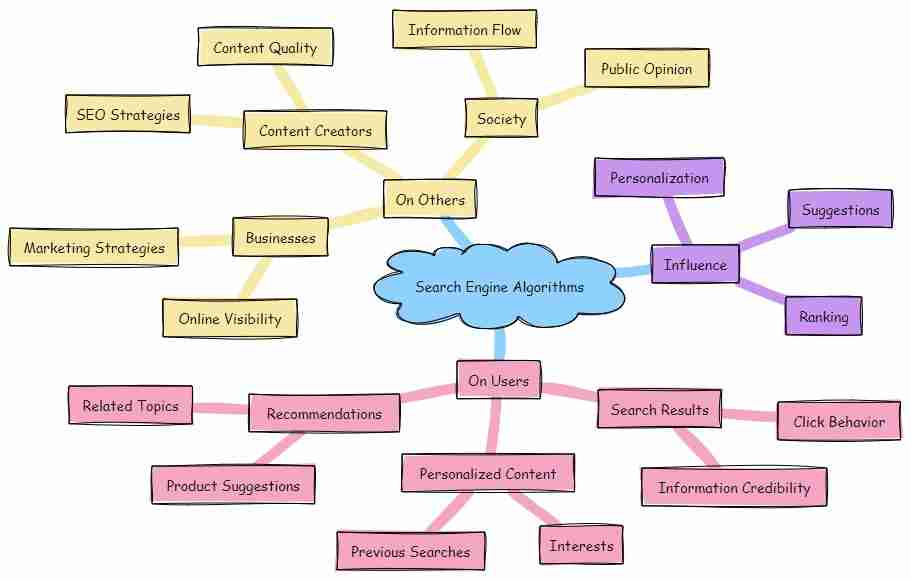
What Role Does Social Influence Play In Our Sustainable Behaviors?
How Do Different Cultures Narrate Their Relationship with Nature?
When we peel back the layers of how different cultures narrate their relationship with nature, we find ourselves faced with stories rich in emotion and insight. Picture a Native American elder, recounting the tales of ancestors who walked lightly upon the land, breathing in a harmony that resonates even today. Their connection to the earth is not just a matter of respect; it’s a relationship built on trust, deep-rooted in traditions that have sustained communities for centuries. This isn’t merely folklore—it’s a call to recognize our place in the ecosystem, to treat the earth as kin rather than a resource to be exploited.
Take a step into the lush forests of the Amazon, where Indigenous tribes narrate their existence as an integral thread in the elaborate tapestry of life. Their narratives speak not only to the beauty of biodiversity but also to the ethics of stewardship. They understand that their survival is interwoven with the well-being of the land. This is not mere sentimentality; it’s a pragmatic view grounded in the reality that their livelihoods are tied to the health of the rainforest. That relationship sparks a conduit for the gut feeling we all share when we witness the fragility of our world—an urgent instinct to protect.
In contrast, consider the Japanese philosophy of “Shinrin-yoku,” or forest bathing, which reminds us of the mental and physical benefits of engaging with nature. This practice is not just about the act of being in a forest; it’s an invitation to acknowledge the therapeutic power of nature, inspiring every one of us to take a moment, pause, and appreciate our surroundings. It’s a mind-clearing experience that invites us to connect profoundly with both the natural world and ourselves, fostering a sense of belonging to something greater.
These narratives from diverse cultures remind us that our stories about nature can inspire action. When we read a blog that carries these rich threads of culture, we are called to reflect on our responsibilities toward nature. It’s an ethical duty, driven by the collective understanding that the earth’s health directly impacts our own. Whether through ancient traditions or modern practices, the urgent need to protect our environment transcends borders, and with it comes a call to unite for something bigger than ourselves.
Embracing these narratives isn’t just a passive act; it’s a rallying cry for community and conscience, urging us to forge a path where human existence and nature are not at odds but working in tandem toward a more harmonious future. Let’s engage with these stories and be inspired to participate in the protection and celebration of our shared home.

How Do Different Cultures Narrate Their Relationship with Nature?
How Do Different Cultures Narrate Their Relationship with Nature?
- Cultural narratives about nature reveal emotional insights and deep connections.
- Native American traditions emphasize a respectful, trust-based relationship with the earth.
- Amazon Indigenous tribes view their existence as essential to the ecological balance and survival.
- Japanese “Shinrin-yoku” promotes mental and physical well-being through forest engagement.
- Diverse cultural stories inspire action and reflection on our responsibilities toward nature.
- The urgency to protect the environment transcends cultural borders, uniting efforts for a common cause.
- Engaging with these narratives encourages community and a harmonious future with nature.
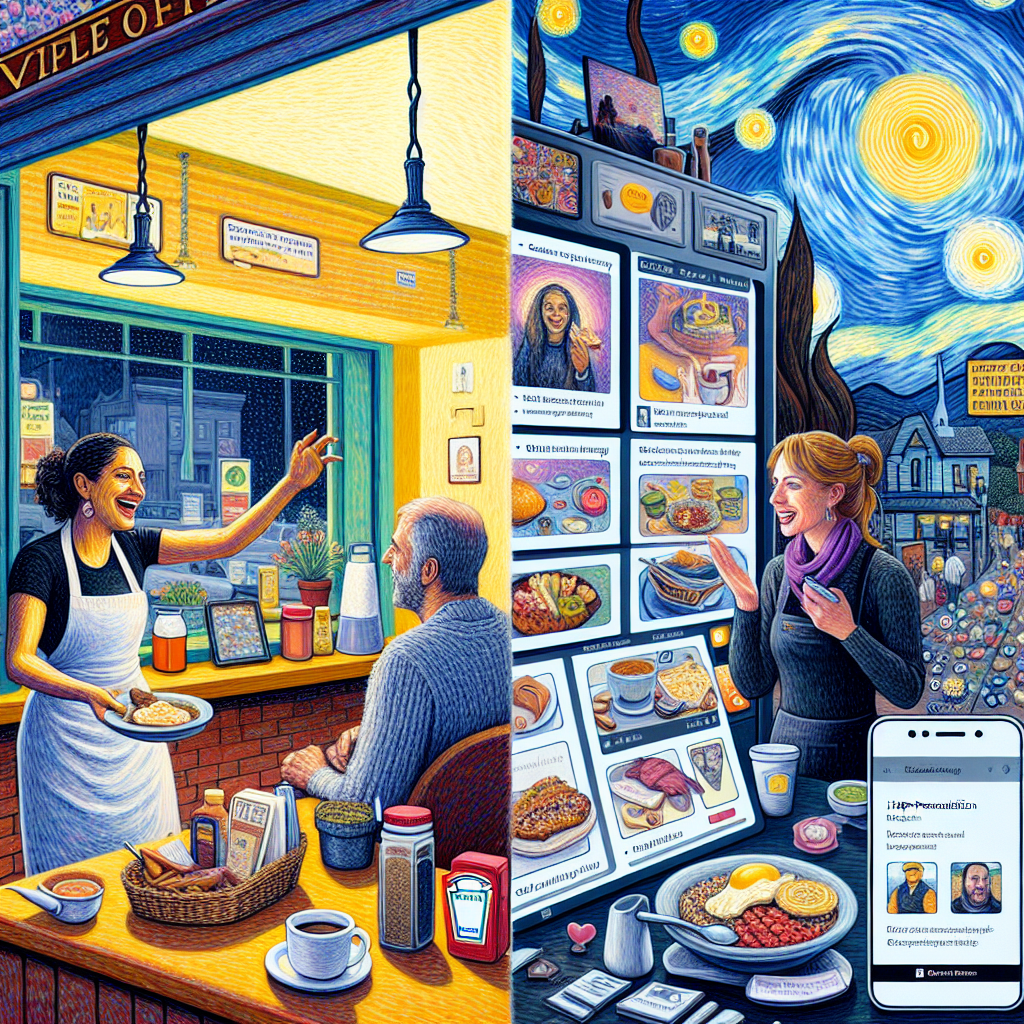
How Do Different Cultures Narrate Their Relationship with Nature?
Can Powerful Narratives Lead to Tangible Environmental Action?
Imagine standing on the shores of a once-pristine beach, now littered with plastic, the waves quietly crashing against the remnants of human impact. Your gut twists as you watch the intensifying storms reshape the very coast that holds so many memories. This isn’t just a sad tale told on a website or a blog; it’s our reality, and it’s time we take a hard look at the powerful narratives that can stir us into action.
There’s something deeply human about a story that reflects our shared love for the planet. It’s not just data and statistics that fuel change; it’s the emotions that thread through our narratives. When we paint the picture of a child finding beauty in a vibrant ecosystem—once thriving, now fading—we breathe life into facts. It invites us to connect with the struggle for survival that every living thing endures. Our hearts resonate with their plight, lighting a fire that data alone cannot ignite.
Now let’s engage the mind. The reality is simple: climate change and environmental degradation are tangible threats to not just wildlife but our own existence. For communities worldwide, the cascading effects of deforestation, pollution, and climate inaction are devastating. This isn’t about saving distant polar bears; it’s about families facing rising tides, farmers losing their harvests, and workers in industries that rely on a healthy environment. Rationally, we understand that our system is built on interdependence—it’s a chain reaction that impacts everyone.
The ethical imperative stands tall. It’s not just about the environment; it’s about justice. Vulnerable communities often bear the brunt of environmental mismanagement, and we owe it to them—to ourselves—to rise up for a more equitable future. The authority to act rests with us; every choice we make, every narrative we tell, can forge paths to action.
When we harness powerful narratives that resonate emotionally and rationally, we cultivate an environment where action becomes a collective responsibility. We can rally our friends, families, and communities to not only acknowledge the problems but to be part of the solution.
The time for passive observation has passed. By sharing stories that touch the heart, challenge the mind, and stir the gut, we can ignite movements. Together, we can turn the tide—not just for us, but for generations to come, proving that powerful narratives can indeed lead to tangible change on our planet.

Can Powerful Narratives Lead to Tangible Environmental Action?
Can Powerful Narratives Lead to Tangible Environmental Action?
- The beach is now polluted with plastic, reflecting the impact of climate change.
- Emotional storytelling is key to inspiring action on environmental issues.
- Connecting personal stories to data can mobilize support for conservation efforts.
- Climate change affects not just wildlife but also humans, especially vulnerable communities.
- Environmental justice is crucial; those most affected deserve our support.
- Collective responsibility is essential in tackling environmental problems through shared narratives.
- Engaging storytelling can drive movements and create lasting change for future generations.

Can Powerful Narratives Lead to Tangible Environmental Action?
What Ethical Dilemmas Arise In Sustainability Storytelling?
Sustainability storytelling is a noble pursuit, aiming to enlighten and mobilize people toward a more environmentally conscious future. However, with the good comes the complicated. Ethical dilemmas often creep in, casting shadows over our intentions. Imagine crafting a narrative that resonates deeply, only to find that the beautiful tale you’re weaving glosses over harsh truths. That’s a gut punch, isn’t it? When sustainability is presented as a silver bullet, it can feel like a betrayal to those who live in affected communities or grapple with injustice every day.
Consider the power dynamics at play—who gets to tell the story? Too often, it’s voices from the privileged, and in that, we risk drowning out those who are directly affected by environmental decline. It turns into a dangerous game of authority; the loudest voice isn’t always the most informed. You’re left with a narrative that bubbles over with well-intended platitudes but lacks real connection. That’s where the heart of sustainability storytelling falters. Authenticity demands that we honor the lived experiences of those bearing the brunt of ecological negligence.
Moreover, there’s the tension between inspiration and manipulation. It’s easy to paint a rosy picture, focusing on success stories that uplift and enchant. Yet, ignoring ongoing struggles does a disservice to those who are knee-deep in the fight for their rights and their environment. Think of the young activist showing up day after day, pouring her sweat and tears into the movement while her story remains untold. Does she trust us with her narrative?
We must also grapple with the impact of diluted messaging. When corporations step in, sustainability often morphs into a marketing buzzword rather than a call to action. Social appeal becomes murky as the community relationships fray, leaving you wondering whether this is a coalition of the willing or a façade built on shareable content.
So, as we engage with sustainability storytelling, let’s commit to a more honest and inclusive approach. In laying bare the complexities, we foster a deeper trust, connection, and understanding among all of us as we navigate this vital and challenging arena. It’s more than just content for a website blog; it’s about nurturing a movement that truly reflects our shared responsibility to the planet and to each other.

What Ethical Dilemmas Arise In Sustainability Storytelling?
What Ethical Dilemmas Arise In Sustainability Storytelling?
- Sustainability storytelling aims to inspire and mobilize individuals towards environmental consciousness.
- Ethical dilemmas can complicate storytelling, risking the omission of harsh truths.
- The narrative power dynamics often favor privileged voices, silencing those directly affected by ecological issues.
- Authenticity in storytelling requires honoring the experiences of those impacted by environmental neglect.
- There’s a tension between inspiration and manipulation, where highlighting success can overshadow ongoing struggles.
- Corporate influence can dilute sustainability messaging, turning genuine calls to action into mere marketing slogans.
- A commitment to honest and inclusive storytelling fosters trust and deeper connections in the sustainability movement.

What Ethical Dilemmas Arise In Sustainability Storytelling?
Conclusion
In our quest for a sustainable future, we must embrace storytelling as a powerful tool for connection and motivation. The narratives we share transcend mere numbers and statistics, weaving a tapestry of shared experiences that tug at our hearts. These stories illuminate the human side of environmental challenges, shedding light on the individuals and communities grappling with the devastating effects of climate change. Whether it’s a farmer watching his crops wither due to drought or a community rallying to clean their local river, these narratives invite us to step beyond the abstract and engage emotionally with our planet’s plight.
Each of us carries the potential to influence change through our choices and actions. Consider the single mother who opts for eco-friendly toys over plastic ones, or the neighbor embarking on a zero-waste lifestyle. These decisions ripple throughout our communities, igniting a collective movement toward sustainability. We have a responsibility to amplify these stories—those of everyday heroes bravely confronting environmental issues—while grounding our discussions in ethical conduct that emphasizes authenticity. When we allow marginalized voices to take center stage in our storytelling, we not only honor their struggles but also deepen our shared understanding of the ecological narratives at play.
As we navigate the complexities of climate action, we should remain vigilant against ethical dilemmas that can blur the lines of our intentions. It is crucial to reject superficial narratives that gloss over the grim realities faced by vulnerable communities. Instead, we must foster an honest discourse that considers the myriad perspectives involved, communicating the genuine struggles intertwined with our pursuit of sustainability. Cultivating a sense of community is equally essential; as we connect through these stories, we recognize that we are not alone in this fight. This unity transforms our individual actions into collective advocacy—each choice becomes a thread in a much larger societal tapestry.
Let’s seize this opportunity to tell stories that resonate deeply, stories that inspire not just reflection but tangible action. By nurturing empathy and understanding, we empower ourselves and those around us to take meaningful steps toward a healthier planet. It’s this blend of head, heart, and gut that fuels real change, creating pathways for a brighter future not just for us, but for generations to come. Together, we can craft a narrative of hope, authenticity, and resilience—a narrative that echoes through time and inspires impactful action today.

Conclusion
Conclusion:
- Storytelling serves as a powerful tool for connection and motivation toward sustainability.
- Narratives highlight the human impact of environmental challenges, fostering emotional engagement.
- Individual choices, like opting for eco-friendly products, can spark collective movements for change.
- Amplifying stories of everyday heroes emphasizes authenticity and honors marginalized voices.
- Honest discourse is essential to address the complexities of climate action and avoid superficial narratives.
- Building a sense of community through shared stories strengthens collective advocacy for sustainability.
- Telling resonant stories fosters empathy, inspiring meaningful actions for a healthier planet.

Conclusion
Other Resources

Other Resources
Here is a list of other resources you can review online to learn more:
- Usegalileo.ai
- Unscreen.com
- Generated.photos
- Content Row
- Rewind.ai
- Vistasocial.com
- Medium
- Charley.ai
- Avaturn.me
- OptinMonster
- Pollinations.ai
- Stockai.com
- Wordhero.co
- Splitter.ai
- Usechannel.com
- Thumbsnap.com
- MailerLite
- Mixo.io
- Neeva.com
- Type3
Use This Prompt To Get More Resources With Your Favorite Online AI Tool: Please provide me with a list of online articles with their URLs in a bulleted list that I can read regarding Sustainability and Storytelling – the Ethics Of Influence

Other Resources
Glossary Terms
Sustainability and Storytelling – the Ethics Of Influence – Glossary Of Terms
1. Sustainability: The practice of meeting present needs without compromising the ability of future generations to meet their own needs.
2. Storytelling: The act of using narrative to convey information, values, or emotions, often to engage and inform an audience.
3. Ethics: A set of moral principles that guide behavior, especially in decision-making processes and actions.
4. Influence: The capacity to have an effect on the character, development, or behavior of someone or something.
5. Narrative: A structured account of events or experiences, providing context and meaning to a story.
6. Environmental Impact: The effect that human activities have on the natural environment, including pollution, resource depletion, and biodiversity loss.
7. Cultural Narrative: The shared stories and beliefs that shape a culture’s identity and values, influencing societal norms and behaviors.
8. Social Responsibility: The ethical duty of individuals and organizations to act in the best interests of society and contribute positively to their communities.
9. Corporate Social Responsibility (CSR): A business model in which companies integrate social and environmental concerns into their operations and stakeholder interactions.
10. Greenwashing: The practice of conveying a false impression of environmental responsibility to improve a brand’s public image without meaningful action.
11. Stakeholder: Any individual or group that has an interest in or is affected by an organization’s actions and policies.
12. Emotional Resonance: The ability of a story or message to evoke strong feelings, fostering a deeper connection with the audience.
13. Authenticity: The quality of being genuine or true, which is vital in storytelling to establish trust with the audience.
14. Community Engagement: The process of involving community members in decision-making and activities that affect their lives.
15. Transmedia: A storytelling technique that unfolds a narrative across multiple platforms, each contributing to the overall story.
16. Impact Assessment: A systematic evaluation of the potential effects of a project or policy on the environment and society.
17. Advocacy: The act of arguing in favor of a cause or policy, often aimed at promoting social or environmental change.
18. Intersectionality: The interconnected nature of social categorizations such as race, class, and gender, which can create overlapping systems of discrimination or disadvantage.
19. Digital Storytelling: The use of digital tools and platforms to share personal, cultural, or historical stories in engaging ways.
20. Narrative Responsibility: The ethical obligation of storytellers to accurately represent characters, cultures, and themes in a way that respects and honors experiences.
21. Behavioral Change: Alterations in individual or group behaviors, often promoted through persuasive storytelling techniques.
22. Sustainable Development Goals (SDGs): A set of 17 global goals established by the United Nations to address a range of social, economic, and environmental issues.
23. Eco-innovation: The development of products and processes that contribute to sustainable development by reducing environmental impact.
24. Narrative Framing: The way information is presented in a story, influencing how audiences perceive and interpret the message.
25. Collective Memory: Shared memories or experiences of a group that shape their identity and cultural understanding.
26. Vision Statement: A declaration of an organization’s long-term goals and aspirations, guiding its actions and storytelling.
27. Behavioral Economics: The study of how psychological factors influence economic decision-making, particularly in relation to sustainability.
28. Facilitation: The process of guiding a group or organization through discussions and decision-making to achieve desired outcomes.
29. Sustainable Practices: Methods and actions that promote environmental health, social equity, and economic viability over the long-term.
30. Influencer: An individual or entity that has the power to affect the purchasing decisions or opinions of others, often through social media or other platforms.

Glossary Of Terms
Other Questions
Sustainability and Storytelling – the Ethics Of Influence – Other Questions
If you wish to explore and discover more, consider looking for answers to these questions:
- What are some specific examples of impactful sustainability stories?
- How can individuals create their own sustainability narratives?
- What tools or platforms can be used for effective storytelling in sustainability?
- How can storytelling in sustainability be quantified or measured?
- What role does social media play in promoting ethical storytelling?
- How can businesses balance ethical storytelling with marketing goals?
- What are the potential risks of misrepresenting sustainability stories?
- How do different cultures view sustainability and its narratives?
- What types of training or resources are available for ethical storytelling?
- How can storytelling foster cross-cultural understanding in sustainability efforts?

Other Questions
Haiku
Sustainability and Storytelling – the Ethics Of Influence – A Haiku
Stories of our earth,
Voices weave a call to care,
Hearts, minds, and hands join.

Haiku
Poem
Sustainability and Storytelling – the Ethics Of Influence – A Poem
In a world on the brink, where shadows grow long,
The heart calls for stories, a powerful song.
Through voices uplifted, a shared, urgent plea,
For the earth and its people, united, we see.
Tales of a farmer, hands cracked from the sun,
Battling drought, battling storms, in a race to outrun.
Each choice that he makes, like seeds in the ground,
Tells of tomorrow where hope can be found.
A mother deliberates, plastic or wood,
She chooses a future where her children stand good.
These small, earnest actions, the ripples they weave,
Are threads of our narrative, a quilt we believe.
Together, we gather, from village and town,
With voices of courage, we’ll wear our crown.
For truth on the line, must echo with grace,
Bridging old wisdom with our modern pace.
Ethics demand we uplift every voice,
That those who have suffered can also rejoice.
With hearts intertwined, each tale we share wide,
Builds a community where compassion won’t hide.
As cultures narrate their deep ties to the land,
We learn how to listen, discover how to stand.
From the elder’s soft wisdom to the forest’s refrain,
Through nature’s own stories, we break every chain.
Let love be the compass, let justice the guide,
In narratives woven, let empathy bide.
For when we align our actions with care,
Each story can echo, each movement can dare.
So rise up together, let the world hear our song,
In the chorus of change, let our hearts beat strong.
With stories as lanterns, we’ll light up the way,
For a future of promise, a brighter today.

Poem
Checklist
Sustainability and Storytelling – the Ethics Of Influence – A Checklist
Checklist for Empowering Change Through Ethical Storytelling in Sustainability
Heart: Emotional Appeals
_____ Reflect on personal stories that resonate with your journey toward sustainability.
_____ Identify local heroes in your community championing environmental causes. How can you support them?
_____ Share your own sustainability journey to inspire others. What emotions drive your choices?
_____ Engage with narratives that showcase the emotional impact of climate change on individuals and communities.
Head: Rational Appeals
_____ Research current environmental statistics. How do they relate to your everyday choices?
_____ Analyze how small, individual actions can collectively lead to significant change.
_____ Educate yourself about the ethical implications of sustainability practices. What responsibilities do we have?
_____ Consider the scientific data behind ecological issues. How can storytelling bridge the gap between facts and narratives?
Gut: Instinctive Appeals
_____ Trust your instincts regarding sustainability choices. What feels right to you?
_____ Visualize the future of your community with and without sustainable practices. Which scenario motivates you more?
_____ Assess the immediate impact of your actions on the environment. Does the tangible difference resonate with your values?
_____ Recognize moments of social influence around you. How can you leverage these dynamics to enhance collective action?
Ethical Reflections
_____ Ensure diverse voices are represented in sustainability storytelling. Whose stories are being told?
_____ Challenge the temptation to oversimplify complex issues in sustainability. Are you providing an accurate portrayal of the challenges faced?
_____ Reflect on the authenticity of your narratives. Are you sharing stories that inspire trust and connection?
_____ Question corporate sustainability messaging. Are they promoting genuine change or merely using buzzwords for marketing?
Community Engagement
_____ Join local sustainability initiatives or groups. What collective stories can you contribute?
_____ Share your inspiring sustainability stories on social media or blogs. How can you build a community around these narratives?
_____ Invite dialogue with others about sustainability challenges and solutions. What shared experiences can lead to deeper understanding?
_____ Organize or participate in community events that highlight the importance of sustainability storytelling. How can these gatherings inspire action?

Checklist
At WebsiteBloggers, we help website bloggers develop strategies to create content, traffic, and revenue from website blogs based on our experiences and experimentation.
Be sure to read our other related stories at WebsiteBloggers and share this article with your friends, family, or business associates who run website blogs.