Create Sustainable Websites For A Better Future
By Tom Seest
At WebsiteBloggers, we help website bloggers develop strategies to create content, traffic, and revenue from website blogs based on our experiences and experimentation.
Be sure to read our other related stories at WebsiteBloggers and share this article with your friends, family, or business associates who run website blogs.
Build Websites That Do Not Waste Bandwidth – Or Planet Resources
When we click “publish” on our latest website blog, we often celebrate the achievement without considering the invisible impacts that accompany our digital triumphs. Each pixel, every line of code, carries the weight of resources—bandwidth consumed, energy spent, and a planet wearing thin from our collective choices. If we take a moment to reflect, it’s clear that creating a website shouldn’t just be about style or speed; it should be an act of stewardship.
Imagine the bustling data centers that hum with electricity to keep our online world alive. Those machines are more than just metal and wire; they represent a commitment—one that commands respect. But with that commitment comes a responsibility not just to our readers, but to the environment. Every click matters. Every image loaded requires energy. The reality is harsh but simple: our digital lives have a carbon footprint. When we design websites that carelessly consume bandwidth, we’re not just wasting our resources; we’re squandering the future of our planet.
Think about it. How many times have you scrolled past a bloated website, your patience wearing thin, watching as the loading wheel spins endlessly? Your gut tells you this isn’t right. It’s a feeling, backed by a rational understanding: we can do better. Websites that are lean and efficient not only serve users faster; they create a ripple effect of positive impact. Specializing in simplicity, we can show our readers that there’s beauty in efficiency. It’s not just a responsible choice; it’s an ethical one.
Stories are powerful. Recall the success of innovators who build with intention, focusing on sustainable practices. There’s a tribe out there—designers, developers, and entrepreneurs—who are committed to preserving resources. They’re uniting under a common cause: to create a digital world that’s sustainable. When we join them, when we lower our data consumption and adopt mindful practices, we inspire others to follow suit.
In this digital landscape, let’s forge connections that matter. Let’s foster a community that celebrates websites that respect both users and our home, Earth. Together, we can redefine what it means to publish online. With every project, every article, every website blog, we have the power to make a tangible difference. Are we ready to shoulder this responsibility? Let’s build a future that future generations will thank us for, one byte at a time.

Build Websites That Do Not Waste Bandwidth – Or Planet Resources
Build Websites That Do Not Waste Bandwidth – Or Planet Resources
- Publishing a blog post often overlooks the environmental impacts of digital achievements.
- Every aspect of a website—code and design—carries a significant ecological footprint.
- Data centers consume vast amounts of energy, showcasing the responsibility behind web developments.
- Careless bandwidth consumption contributes to a larger carbon footprint in our digital lives.
- Efficient websites enhance user experience and promote environmental stewardship.
- A community of designers and developers is focused on creating sustainable digital practices.
- We can redefine online publishing, making mindful choices that benefit both users and the planet.
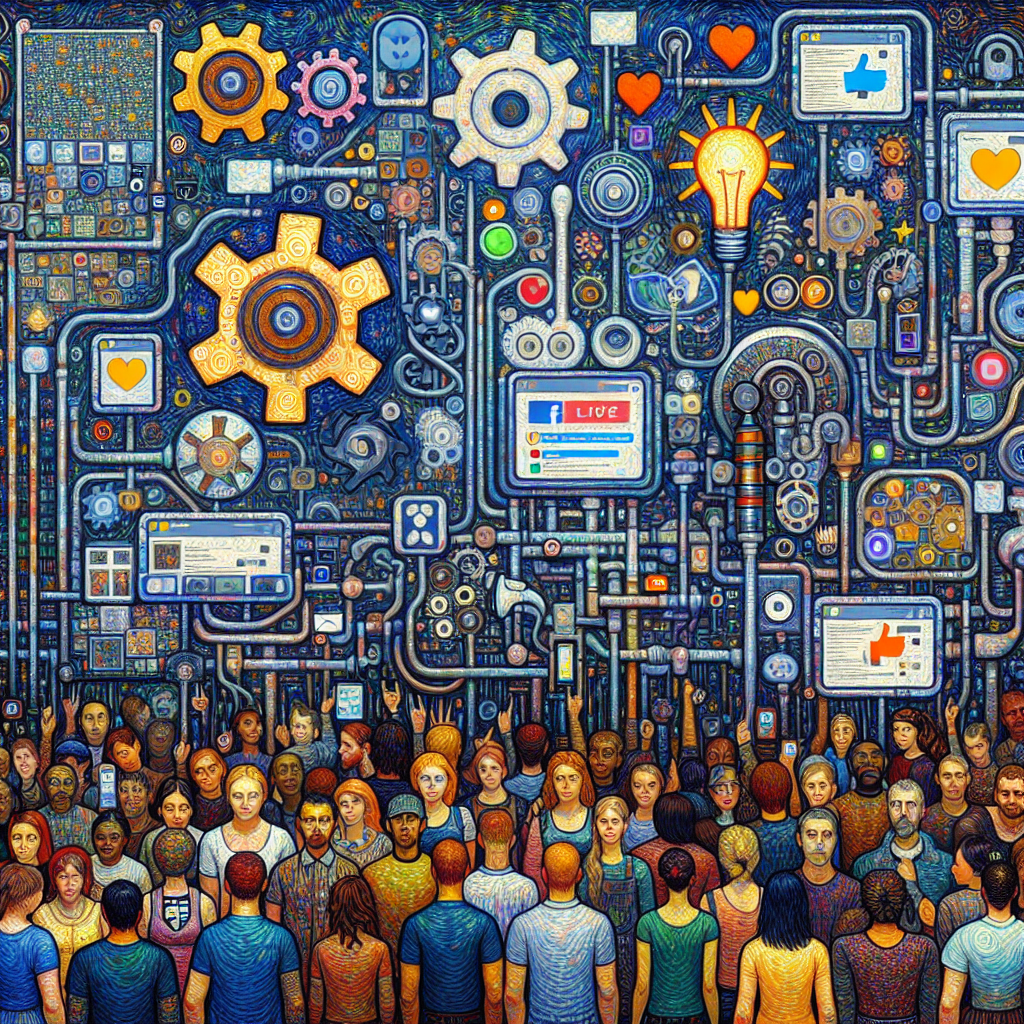
Build Websites That Do Not Waste Bandwidth – Or Planet Resources
Table Of Contents
- Build Websites That Do Not Waste Bandwidth – Or Planet Resources
- What If Your Website Could Save the Planet While Attracting Users?
- Are You Leveraging Technology to Minimize Your Carbon Footprint?
- How Can Optimizing Your Site Improve User Experience and Retention?
- What Ethical Responsibilities Do We Have In Reducing Digital Waste?
- How Can You Measure the Environmental Impact Of Your Website?
- What If Small Changes In Design Could Lead to Big Gains In Efficiency?
- Are Consumers More Loyal to Brands That Prioritize Sustainability?
- Conclusion
- Other Resources
- Glossary Of Terms
- Other Questions
- Haiku
- Poem
- Checklist
What If Your Website Could Save the Planet While Attracting Users?
Imagine scrolling through your favorite website blog, and instead of just consuming content, you’re part of something bigger—something that genuinely cares about the planet. What if every click you made is a step toward sustainability? By weaving environmental responsibility into your web design and the content you share, you create a space that not only attracts users but also fosters a community of like-minded individuals.
Your website can be more than an online footprint; it can be a digital greenway. Picture inviting folks to learn about eco-friendly practices seamlessly intertwined with a user-friendly design. Whether it’s through guiding them on reducing their carbon footprint, showcasing local green businesses, or sharing powerful stories of those making a difference, your site becomes a beacon of hope—a shared journey towards a better world. Who doesn’t want to be part of a movement that inspires real change?
From a practical standpoint, connecting your website to sustainable topics speaks volumes. People today are more conscientious than ever, seeking out brands that align with their values. This isn’t just good ethics; it’s smart business. When your website blog highlights sustainable practices, you’re not just attracting traffic—you’re attracting committed agents of change who want to engage with your vision. Use catchy campaigns, share compelling statistics, and tell the impactful stories that resonate with the heart, appealing to visitors’ emotional and rational sides alike. When users feel they’re part of the solution, they’re more likely to engage, share, and return.
But let’s not forget the gut feeling—the undeniable urge to take action. Your website can provide simple, digestible steps for users to implement sustainable choices in their lives. It’s about fostering an environment where doing good doesn’t feel overwhelming. This helps build social trust. When your visitors see their peers participating in this journey, it creates a sense of belonging, a tribe eager to support and uplift one another.
Ultimately, your website can become a platform that not just advocates for the planet, but elevates human connection. Each click could nurture the future—your website can be the bridge between information and action, turning passive readers into passionate advocates. This is more than just data; it’s about leaving a legacy worth fighting for, and it starts right here, right now. The world is watching; let’s give them something worth seeing.

What If Your Website Could Save the Planet While Attracting Users?
What If Your Website Could Save the Planet While Attracting Users?
- Your website can engage users in sustainability, fostering a community of like-minded individuals.
- Integrate environmental responsibility into web design to create a digital greenway.
- Promote eco-friendly practices, local green businesses, and impactful stories to inspire change.
- Highlighting sustainability attracts conscientious users and aligns with their values, benefiting business.
- Engaging content, catchy campaigns, and compelling statistics can resonate emotionally with visitors.
- Provide digestible steps for sustainable choices to foster an environment of support and trust.
- Your platform can bridge information and action, transforming readers into passionate advocates for the planet.

What If Your Website Could Save the Planet While Attracting Users?
Are You Leveraging Technology to Minimize Your Carbon Footprint?
In a world grappling with the pressing realities of climate change, it’s easy to feel overwhelmed, almost paralyzed, by the daunting challenges that lie ahead. But imagine, for a moment, the impact we could collectively make if we chose to harness the very technology that once seemed abstract or overwhelming. That’s not just a pie-in-the-sky dream; it’s within our grasp.
Think about it. Every day, we’re bombarded with stories that tug at our heartstrings—reports of wildlife struggling to adapt, communities grappling with wildfires, floods, and droughts. These aren’t just statistics; they affect real people, real families, and real stories. By leveraging technology responsibly, we have the power to rewrite those narratives, turning tales of tragedy into stories of triumph. Do you have a website or blog? Or perhaps an app? These digital tools can serve as bridges, connecting our collective efforts with the wider community, amplifying our voices in a symphony of change.
Rationally speaking, technology has given us the means to track our carbon footprints with precision. Smart thermostats can adjust our home heating and cooling in real-time, solar panels harness the sun’s energy, and electric vehicles drive us toward a cleaner future. Each gadget is a tool in our toolkit, allowing us to make informed decisions that can ripple through our communities. By embracing these innovations, we not only reduce emissions but help foster a sense of accountability—a crucial aspect of modern life.
Ethically, it’s our responsibility to lead by example. When we actively engage in reducing our carbon footprints, we inspire others to follow suit. From planting trees to supporting local, sustainable businesses, every action creates a chain reaction. This isn’t merely about technology; it’s about forging connections and cultivating a culture where the environment matters.
So, let’s roll up our sleeves. Let’s not only adopt new technologies but also share our journeys—our struggles and successes—through social channels that resonate with those who are still uncertain. By narrating our paths towards sustainability, we draw others in, exposing them to the power they too can wield. When we unite our resources, hearts, and minds, we stand not just as individuals but as a formidable force for change, ready to embrace a sustainable future. Stand up, step forward, and let’s make this transformation together.

Are You Leveraging Technology to Minimize Your Carbon Footprint?
Are You Leveraging Technology to Minimize Your Carbon Footprint?
- The challenges of climate change can feel overwhelming, but technology offers a path forward.
- Everyday stories of climate impact highlight the need for collective action through technology.
- Digital tools like websites, blogs, and apps can connect and amplify community efforts toward change.
- Technology allows precise tracking of carbon footprints and supports informed environmental decisions.
- Leading by example in reducing carbon footprints encourages others to take similar actions.
- Sharing personal sustainability journeys on social media can inspire and motivate others.
- Collaboration and unity can create a powerful movement towards a sustainable future.

Are You Leveraging Technology to Minimize Your Carbon Footprint?
How Can Optimizing Your Site Improve User Experience and Retention?
In today’s digital age, your website is more than just a collection of pages; it’s the front porch of your brand, where first impressions are made. This is where optimization comes into play, transforming that porch into a welcoming space, drawing folks in from the bustling street of the internet. Imagine visitors stepping onto your site, greeted by a design that feels intuitive and effortless. This isn’t just about looking good; it’s about setting the stage for an experience that resonates with the heart, engages the mind, and stirs the gut.
Start by considering your audience. When visitors land on your website or blog, they’re not just clicking away out of curiosity—they’re searching for solutions, for connection, for something meaningful. You want to evoke trust. A site that loads slowly or is hard to navigate does more than just frustrate; it sends potential customers scurrying down the digital highway looking for a better experience. By optimizing your site, you’re essentially saying, “We value your time—and we’re ready to prove it.”
Now, let’s talk about retention. Every time someone strolls back to your site, they’re not just returning; they’re engaging with your narrative. They trust that you have something worthwhile to offer. When that trust builds, it creates a relationship—a community of loyal visitors drawn together by shared values and experiences. Your careful optimization invites them to stay a little longer, explore a little deeper, and connect more meaningfully.
Think about it: in a world where content is abundant, why would someone remain loyal to one website over another? The answer often lies in the details—fast loading times, a clean, uncluttered interface, and accessible information. These factors not only enhance usability but also speak to an ethical commitment to your audience. You care enough to make their experience enjoyable, which in turn fosters loyalty.
Let’s not forget the power of social proof. As visitors see others engaging positively with your optimized platform—be it through comments, shares, or testimonials—they feel more inclined to join the conversation. Your website becomes more than just a destination; it evolves into a connected hub where individuals come together to share insights and experiences.
In short, optimizing your site isn’t just about technical adjustments; it’s about cultivating a sense of belonging. When you open that digital door with intention, you invite your audience to step inside, stay awhile, and become part of something greater. This is how you weave trust into the very fabric of your online presence, ensuring that visitors don’t just pass through but linger, explore, and return again.
How Can Optimizing Your Site Improve User Experience and Retention?
How Can Optimizing Your Site Improve User Experience and Retention?
- Your website serves as the front porch of your brand, creating first impressions.
- Optimization enhances user experience, making the site intuitive and engaging.
- Understanding your audience helps build trust and provide meaningful solutions.
- Fast loading times and easy navigation are critical for retaining visitors.
- Careful optimization fosters loyalty and encourages deeper connections.
- Social proof enhances engagement, transforming your website into a community hub.
- Ultimately, optimization is about cultivating belonging and weaving trust into your online presence.

How Can Optimizing Your Site Improve User Experience and Retention?
What Ethical Responsibilities Do We Have In Reducing Digital Waste?
When we talk about digital waste, it’s easy to dismiss it as a distant problem, something that exists purely in the realm of technology. But let’s pause for a moment and consider the impact of our clicks, our downloads, and our endless scrolling. Each digital footprint we leave behind doesn’t just vanish into the ether—it accumulates, forming an invisible mountain of e-waste that has real consequences for our planet and us.
Let’s start with a simple reality: every device we own, every app we download, every photo we store—it all has a lifecycle, and it all requires resources. The energy used to power our devices, the rare minerals extracted for our electronics, and the pollution generated in the manufacturing process are staggering. When we think about reducing digital waste, we’re not just addressing a technical issue; we’re taking on a moral responsibility. It’s an ethical imperative to consider how our choices affect the world around us.
Imagine a child in a mining town, extracting cobalt so that your smartphone can shine with endless possibilities. Or picture a community battling pollution due to outdated tech dumped in a landfill. These are not just statistics; they’re real people living in the wake of our consumption habits. When we grasp this connection, we can create a sense of urgency to change our behaviors.
There’s a narrative here—one of stewardship. We are not merely consumers; we are custodians of our planet’s resources. Every time we decide to recycle an old device instead of tossing it in the garbage, every time we opt for digital minimalism, we make a stand for sustainable living. This is not just a personal challenge; it’s a collective movement. Imagine the impact if each of us made conscious choices to reduce, reuse, and recycle our digital lives.
Social responsibility calls us to act—not just for ourselves but for future generations. Sharing our struggles, successes, and tips on our website or blog can foster a community of awareness and action. Let’s inspire others through our stories, igniting a shared commitment to reducing digital waste. Together, we can forge a future where technology serves humanity without compromising the integrity of our world. The time is now. Each action counts, and together, we can create a ripple effect of positive change. So, take that first step, and let’s navigate this digital landscape responsibly.

What Ethical Responsibilities Do We Have In Reducing Digital Waste?
What Ethical Responsibilities Do We Have In Reducing Digital Waste?
- Digital waste is an increasing concern, not just a technological issue but one affecting the planet.
- Every digital action, such as clicks and downloads, contributes to e-waste accumulation with real-world consequences.
- Each device and app we use has a lifecycle that requires resources, impacting the environment through energy use and pollution.
- Understanding our consumption habits connects us to the struggles of communities affected by the extraction of materials for our devices.
- We have a moral responsibility to reduce digital waste and act as custodians of the planet’s resources.
- Every conscious choice to recycle or practice digital minimalism contributes to sustainable living and collective action.
- Sharing experiences and tips can build a community committed to reducing digital waste, impacting future generations positively.

What Ethical Responsibilities Do We Have In Reducing Digital Waste?
How Can You Measure the Environmental Impact Of Your Website?
When we think about our website’s environmental impact, we often overlook the digital footprint it leaves behind, buried beneath layers of code and pixels. But here’s the hard truth: every click, every image, and every line of code requires energy. And that energy? It usually comes at a cost—not just to our wallets, but to the planet we all share.
Imagine this: your website remains a vibrant hub of creativity and connection, but what if that hub also contributes to excessive carbon emissions? You might feel a twinge of guilt—that knot in your stomach where concern for our environment sits heavy and real. Here’s where it gets personal: how can we ensure that our virtual space isn’t contributing to the degradation of our beautiful world? That’s the challenge we face as responsible creators.
Let’s break this down, too. The rational side of this conversation urges us to measure bandwidth usage, server emissions, and the energy consumption of our hosting providers. Do your homework! Use the tools at your disposal: calculators that gauge the carbon footprint of your website can provide insights that resonate with both logic and responsibility. By identifying which elements of your website draw the most power, you can make intentional adjustments, from compressing images to streamlining code. Every choice has ramifications.
Now, onto the ethical aspect. Consider your audience—they care, and they want to support brands that align with their values. When you share how you’re working to reduce your environmental impact, you aren’t just building your brand; you’re fostering trust. You’re building a community that believes in a shared goal—making the world a better place.
That’s why it’s crucial to integrate a narrative into your website blog that details your journey toward sustainability. Share the wins and the setbacks, the lessons learned along the way. People connect through stories, and every tech-savvy visitor is also a human with a heart. Showing vulnerability and commitment builds a bridge toward an engaged audience.
Lastly, join the larger movement—look around you. Many others are on this path, working to intertwine technology and sustainability. Connect with them. Share tips, engage in discussions, and become a part of the solution. When we come together, we can lead the charge toward a greener digital world—a world where our virtual interactions reflect the care and responsibility we owe to the environment. Your website can be a beacon of change. So, let’s make it count!

How Can You Measure the Environmental Impact Of Your Website?
How Can You Measure the Environmental Impact Of Your Website?
- Websites have an environmental impact through their digital footprint, requiring energy for every click, image, and line of code.
- Excessive carbon emissions can arise from vibrant online spaces, prompting moral concerns about environmental degradation.
- Measure bandwidth usage, server emissions, and hosting provider energy consumption to understand your website’s eco-footprint.
- Utilize carbon footprint calculators to gain insights and identify which website elements consume the most power.
- Sharing your sustainability efforts builds trust with your audience and fosters a community focused on environmental values.
- Integrate a narrative in your blog about your journey toward sustainability, highlighting both successes and challenges.
- Engage with the larger movement towards technology and sustainability by connecting with others and sharing knowledge.

How Can You Measure the Environmental Impact Of Your Website?
What If Small Changes In Design Could Lead to Big Gains In Efficiency?
Imagine waking up in a world where the daily grind feels a little smoother, where the little things—like how we design our tools or organize our spaces—lead to significant leaps in efficiency. It sounds improbable, right? But it’s not just a pipe dream; it’s a reality waiting to unfold at the junction of creativity and practicality.
Let’s face it: we live in a world that often celebrates big ideas and sweeping changes. But what if the key to unlocking a better, more productive life lies in the minutiae, in the small tweaks most overlook? Picture a kitchen where the cutlery is designed to fit snugly into your hand, or a workspace free of distractions because the layout keeps everything at arms’ reach. These aren’t just minor adjustments; they’re a chance to reclaim our time, our energy, and ultimately, our peace of mind.
The heart of innovation beats strongest when we consider our shared experiences—when you hear someone recount how a simple ergonomic chair transformed their workday or how a seamlessly integrated app changed the way they manage time. These stories resonate; they cradle the essence of humanity and remind us that often, it’s the unassuming choices we make that yield the most significant results.
On a practical note, consider the financial implications. Companies that invest in small design changes quickly realize that better processes save time, money, and resources. An efficient design isn’t just about aesthetics; it becomes a matter of self-respect—respect for our work, our employees, and our environment. By adopting this philosophy, we strengthen communities, foster loyalty, and inspire innovation.
Each small shift sends ripples through the fabric of society, encouraging others to evaluate their journeys and improve upon them. The conversation begins as we share our triumphs on blogs and websites, connecting with others who are as invested in the art of efficiency. We become part of a larger narrative—one that brings us together in our pursuit of a better way to live, work, and create.
So why not explore the power of small changes? They offer us an invitation to transform. These seemingly insignificant adjustments have the potential to evoke profound shifts in our daily lives. Harness that potential, and you’ll tap into a wellspring of inspiration that reaches beyond the individual, into the heart of a connected community determined to thrive.

What If Small Changes In Design Could Lead to Big Gains In Efficiency?
What If Small Changes In Design Could Lead to Big Gains In Efficiency?
- The everyday grind can become smoother through thoughtful design and organization of tools and spaces.
- Small tweaks often overlooked can lead to significant improvements in efficiency and productivity.
- Real-life examples of ergonomic designs and efficient layouts highlight the impact of minor adjustments.
- Investing in small design changes brings financial benefits and improves processes for companies.
- Efficient design reflects self-respect for work, employees, and the environment, fostering community and loyalty.
- Sharing experiences and successes in efficiency creates a collective narrative and inspires others to improve.
- Exploring small changes can lead to profound transformations in daily life, benefiting individuals and communities alike.

What If Small Changes In Design Could Lead to Big Gains In Efficiency?
Are Consumers More Loyal to Brands That Prioritize Sustainability?
In a world choking on convenience, the very concept of loyalty is undergoing a transformation. Imagine walking down the grocery aisle, surrounded by a myriad of products vying for your attention. You might reach for that familiar label, but what if it also told a story of sustainability? Now, that’s a choice that resonates not just in your wallet but also in your conscience. When brands prioritize sustainability, they’re doing more than crafting a product—they’re weaving a narrative that taps into our collective responsibility toward the Earth.
Think for a moment about how we’ve been raised to value hard work and stewardship. If you’ve ever spent a day in the field or rolled up your sleeves in a community garden, you know that there’s a gritty satisfaction in nurturing something from the ground up. Consumers today want to be part of that story. A company that champions sustainability isn’t just tossing around buzzwords; they’re making a pledge that can impact generations to come. With every sustainable choice we make, we’re voting for a future we believe in, one where our grandchildren can enjoy the planet we’ve known.
But let’s get practical. When a brand commits to eco-friendly practices, they’re not only strengthening the quality of their product but fostering trust. Metrics from various studies show that consumers are more likely to remain loyal to brands that are transparent about their practices. Whether it’s sourcing materials responsibly or minimizing waste, those efforts resonate deeply with us. It’s like a handshake between customer and company, built upon the foundation of shared values—an explicit nod to ethical consumerism.
Socially, loyalty becomes a movement. Picture this: you’re at a backyard barbecue, and the conversation veers toward which products to buy. When your friend mentions a brand that’s making waves in sustainability, you nod in agreement, ready to share what you’ve learned. It’s a ripple effect; the brave brand stands tall, and in that moment, they become a part of something bigger than themselves—a cause worth championing.
So, are consumers more loyal to brands that prioritize sustainability? Absolutely. It’s about embracing a connection that blends heart, head, and gut—a connection that urges us to act for the well-being of our communities and our planet. Every choice we make is a testament to the impact we wish to live by. So go ahead—visit your favorite brand’s website or blog and see how they’re stepping up. After all, loyalty starts with informed decisions and an unwavering commitment to a better world.

Are Consumers More Loyal to Brands That Prioritize Sustainability?
Are Consumers More Loyal to Brands That Prioritize Sustainability?
- The concept of loyalty is evolving in a convenience-driven world.
- Consumers are drawn to brands that share stories of sustainability, influencing their purchasing decisions.
- A company’s commitment to sustainability reflects a pledge that can positively impact future generations.
- Transparency in eco-friendly practices strengthens brand loyalty and builds trust among consumers.
- Loyalty transforms into a movement, where shared values about sustainability shape social conversations.
- Consumers are indeed more loyal to sustainable brands, seeking connections that reflect ethical practices.
- Loyalty stems from informed choices and a commitment to fostering a better world.

Are Consumers More Loyal to Brands That Prioritize Sustainability?
Conclusion
Creating sustainable websites is not just about aesthetics or technical efficiency; it’s about accountability—both to ourselves and to the planet. Each time we hit “publish,” we unleash something far more impactful than mere content. We release a digital footprint that carries the weight of energy consumption and environmental degradation. Behind every click lies an unseen price, a cost paid not just by our wallets but by the Earth itself. Imagine the bustling data centers that keep our virtual worlds alive; they represent a commitment to connectivity, yet their energy demands contribute significantly to climate change. It’s a sobering reality, and it should ignite a sense of urgency in all of us.
We don’t need to feel paralyzed by the scope of environmental issues we face—instead, we have an opportunity. Websites can become platforms for positive change. By adopting sustainable practices in our digital creations, we can foster communities that are not just consumers of information, but advocates for a better tomorrow. When your website champions eco-friendly practices, it invites individuals to join a movement that aligns with their values—values rooted in ethical considerations and shared responsibility.
Think about how alluring it is to be part of something greater. When a website offers practical advice on reducing our carbon footprints or highlights local green businesses, it transforms into a digital greenway, paving paths toward sustainability. Each click becomes a pledge, each visit a vote for a future that honors our planet. This isn’t merely idealism; it’s a smart business strategy that caters to an increasingly conscientious consumer base. Users are drawn to brands that resonate with their values, revealing the profound social implications of aligning purpose and profit.
Let’s consider our role as storytellers within this narrative. By sharing our experiences—our struggles and victories in minimizing digital waste—we tap into a collective consciousness eager for change. Every small design decision, every reduction in bandwidth, and every effort to streamline operations becomes part of a larger mechanism of accountability.
So stand up, and let’s weave sustainability into the very fabric of our digital realities. With each project, we have the chance to redefine what it means to publish online, leaving a legacy that future generations will admire. It’s time to be the custodians our planet needs, creating a digital landscape where every byte serves a purpose, where every click nurtures our home, and where we build connections that matter. Together, let’s embrace this journey—small steps do lead to giant strides.

Conclusion
Conclusion:
- Creating sustainable websites involves accountability to both ourselves and the planet.
- Every published website contributes to energy consumption and environmental degradation.
- Data centers supporting our digital infrastructure significantly contribute to climate change.
- Websites can serve as platforms for positive change, encouraging eco-friendly practices.
- Offering practical advice on sustainability can transform websites into advocates for a greener future.
- Aligning values with business practices attracts conscientious consumers and enhances brand loyalty.
- Every design decision contributes to a larger accountability mechanism, fostering a sustainable digital landscape.

Conclusion
Other Resources

Other Resources
Here is a list of other resources you can review online to learn more:
- Drinkwater.ai
- Syllaby.io
- Discord
- Consensus.app
- Fathom.video
- Zaplingo.com
- Artifact.news
- Faceapp.com
- Retext.ai
- Pebblely.com
- Agility
- Uberduck.ai
- Simsimi.com
- ConvertKit
- Contents.com
- DALL·E
- HostGator
- Compose.ai
- Deepagency.com
Use This Prompt To Get More Resources With Your Favorite Online AI Tool: Please provide me with a list of online articles with their URLs in a bulleted list that I can read regarding Build Websites That Do Not Waste Bandwidth – Or Planet Resources

Other Resources
Glossary Terms
Build Websites That Do Not Waste Bandwidth – Or Planet Resources – Glossary Of Terms
1. Bandwidth: The amount of data transmitted over an internet connection in a specific amount of time, often measured in Mbps (megabits per second).
2. Sustainability: The practice of using resources in a way that meets current needs without compromising the ability of future generations to meet theirs.
3. Resource Efficiency: The effective use of resources to minimize waste and reduce environmental impact during production and operation.
4. Carbon Footprint: The total amount of greenhouse gases emitted directly or indirectly by an individual, organization, or product, usually measured in CO2 equivalents.
5. Responsive Design: An approach to web design that makes web pages render well on a variety of devices and window or screen sizes.
6. Lazy Loading: A technique that delays loading non-essential resources, improving website load time and saving bandwidth.
7. Minification: The process of removing unnecessary characters from code (like whitespace and comments) to reduce file size and improve load speed.
8. Caching: The storage of frequently accessed data in a temporary storage area to accelerate future data retrieval.
9. Content Delivery Network (CDN): A network of servers distributed across various locations that deliver web content to users based on their geographical location to enhance loading speeds.
10. Image Optimization: The process of reducing image file sizes without compromising quality to improve loading speeds and minimize bandwidth usage.
11. Web Accessibility: The practice of designing websites that are usable by people with disabilities, ensuring equal access to information and services.
12. Progressive Web Apps (PWAs): Web applications that use modern web capabilities to deliver an app-like experience to users, often with offline capabilities.
13. Data Compression: Reducing the size of files to save space or transmission time, commonly used in web content to enhance performance.
14. Green Hosting: Web hosting services that utilize renewable energy sources and eco-friendly practices to minimize environmental impact.
15. HTML5: The fifth version of the Hypertext Markup Language, designed to improve the structure and presentation of web pages while promoting compatibility across devices.
16. CSS Optimization: Techniques used to streamline CSS code to enhance performance including combining files, reducing size, and eliminating unused styles.
17. Server Response Time: The time taken by a web server to respond to a request for a webpage, critical for overall site performance.
18. Web Performance: The speed at which web pages are downloaded and displayed in a user’s web browser, impacting user experience and engagement.
19. Semantic HTML: The use of HTML markup that conveys meaning about the content within the document, improving accessibility and SEO.
20. Alternative Text: Descriptive text included in an image tag that provides context for images, aiding visually impaired users and enhancing SEO.
21. JavaScript Optimization: The process of improving the efficiency of JavaScript code to enhance load times and website performance.
22. Retina Display: A brand name used by Apple for screens with high pixel density, emphasizing the need for high-resolution images for better visual clarity.
23. Serverless Architecture: A cloud-computing execution model that provides backend services on a pay-as-you-go basis, allowing developers to focus on building applications.
24. Single Page Application (SPA): A web application that interacts with the user by dynamically rewriting the current page, reducing the need for page loads.
25. Viewport: The visible area of a web page in the browser, affecting how content is displayed and requires adaptive design approaches.
26. Redirects: Techniques used to forward users and search engines from one URL to another, which can impact site performance if not managed properly.
27. A/B Testing: A method of comparing two versions of a webpage to determine which one performs better in terms of user engagement.
28. Green Web Design: The practice of designing websites that minimize energy consumption, waste, and environmental impact throughout their lifecycle.
29. Digital Minimalism: A philosophy that encourages reducing digital clutter, improving focus and reducing the environmental impact of overconsumption.
30. User Experience (UX): The overall experience a user has with a website, influenced by design, functionality, and content quality.

Glossary Of Terms
Other Questions
Build Websites That Do Not Waste Bandwidth – Or Planet Resources – Other Questions
If you wish to explore and discover more, consider looking for answers to these questions:
- What are some practical tips for building a sustainable website?
- How can I measure the carbon footprint of my website?
- What specific design elements contribute to better website efficiency?
- How do bandwidth and energy consumption relate to web design?
- What tools are available for tracking the environmental impact of websites?
- What are the best practices for optimizing images and code for sustainability?
- How can I engage my audience in sustainability efforts through my website?
- What are the economic benefits of creating a sustainable website?
- How can I encourage my users to adopt greener digital habits?
- What successful case studies exist for sustainable web design?
- How does digital waste affect the environment, and what can I do about it?
- What role do hosting providers play in a website’s overall environmental impact?
- How can storytelling enhance engagement on sustainable websites?
- What ethical considerations should guide my web design choices?
- How can collaboration among web designers promote sustainability?

Other Questions
Haiku
Build Websites That Do Not Waste Bandwidth – Or Planet Resources – A Haiku
Pixels pulse and bind,
Every click echoes through time;
Sustain, thrive, and unite.

Haiku
Poem
Build Websites That Do Not Waste Bandwidth – Or Planet Resources – A Poem
In the realm of pixels, where triumphs gleam,
We craft our webs, yet overlook the theme:
Each click, each byte, a planet’s silent plea,
A call to stewardship, a mindset to decree.
When joy meets caution in a loading wheel’s spin,
We sense the weight of choices gathered within.
For every site that bloats with careless haste,
We squander futures, our resources laid waste.
Imagine a canvas where green choices shine,
A digital greenway, where hearts intertwine.
Engagement grows deeper when purpose aligns—
A space that nurtures, where sustainable design finds.
With every line of code, consider the cost,
A legacy beckons, not to be lost.
share your journey, your stumbles, your gains,
In stories that rally, in laughter and pains.
As brands turn their gaze to the world’s fragile health,
Consumers lean in, they invest in their wealth—
Of trust, of connections that spark and ignite,
A movement for change, bringing darkness to light.
So heed the gut feeling that calls us to act,
In the intricate web, find the tether, the pact.
With ethics entwined and innovation embraced,
Together we flourish, our planet retraced.
Small shifts in design, a ripple to grow,
Every step towards green inspires hope’s glow.
Let’s join hands and voices, let’s push for the day,
When each digital journey leads the world’s way.

Poem
Checklist
Build Websites That Do Not Waste Bandwidth – Or Planet Resources – A Checklist
Checklist for Creating Sustainable Websites that Do Not Waste Bandwidth or Planet Resources
Emotional Appeals:
_____ Reflect on the impact of your website decisions on future generations.
_____ Share personal narratives about why sustainability matters to you.
_____ Engage your audience with stories that evoke a sense of community responsibility.
Rational Appeals:
_____ Analyze your current website’s bandwidth usage and carbon footprint.
_____ Identify tools to measure the environmental impact of your site.
_____ Prioritize website optimization strategies to enhance speed and efficiency.
Ethical Appeals:
_____ Consider the moral responsibility of reducing digital waste.
_____ Make a pledge to adopt eco-friendly practices in your digital creations.
_____ Guide your audience towards making informed, sustainable choices in their usage.
Authority Appeals:
_____ Incorporate insights from experts or case studies that highlight successful sustainable websites.
_____ Use data and statistics to underscore the benefits of optimizing for sustainability.
_____ Reference established organizations or movements advocating for eco-friendliness in tech.
Narrative Appeals:
_____ Share testimonials or experiences from others who embraced sustainable design.
_____ Create engaging content that showcases the journey toward a greener digital presence.
_____ Document steps taken in your sustainability journey to inspire others.
Social Appeals:
_____ Foster a community by encouraging viewers to share their sustainability efforts.
_____ Create campaigns or challenges that invite participation in eco-friendly practices.
_____ Highlight social proof by showcasing visitor engagement and testimonials about your website’s impact.
Action Steps:
_____ Set clear goals for reducing your website’s environmental impact.
_____ Streamline your design for user experience and efficiency.
_____ Commit to ongoing learning and sharing about sustainable practices in the digital space.

Checklist
At WebsiteBloggers, we help website bloggers develop strategies to create content, traffic, and revenue from website blogs based on our experiences and experimentation.
Be sure to read our other related stories at WebsiteBloggers and share this article with your friends, family, or business associates who run website blogs.