Connecting Through Stories: Healing Seniors With Storytelling
By Tom Seest
At WebsiteBloggers, we help website bloggers develop strategies to create content, traffic, and revenue from website blogs based on our experiences and experimentation.
Be sure to read our other related stories at WebsiteBloggers and share this article with your friends, family, or business associates who run website blogs.
How Can Storytelling Serve As a Therapeutic Tool for Seniors?
Let’s face it, when you reach a certain age, life can feel like a series of events long gone, fading into the backdrop of our memories. But storytelling has a unique way of breathing life into those experiences, transforming them from distant echoes into vibrant conversations. Picture this: a cozy room filled with seniors, each person armed with a tapestry of tales, waiting to be unraveled. That’s the essence of storytelling as a therapeutic tool.
Think of storytelling as a gentle tug on the fabric of memory. For many seniors, recalling and sharing personal experiences can rekindle feelings of identity and purpose. It’s a two-way street; when they share their stories, they engage not only with their own past but with the world around them. This process nurtures connections, combats loneliness, and can even spark joy, reminding them that their lives hold value—stories often intertwined with humor, heartbreak, or triumph.
Moreover, expressing these memories can facilitate mental sharpness. Encouraging seniors to articulate their stories can keep their cognitive faculties engaged. It’s not just about the act of storytelling itself; it’s about accessing memories, piecing together timelines, and sometimes even solving the puzzles in their own minds. In these storytelling sessions—be it around a dinner table, in a nursing home, or even on a website blog dedicated to shared experiences—seniors can find the clarity that comes with revisiting their narratives.
But there’s more. Storytelling doesn’t just benefit the storyteller; it enriches those on the receiving end as well. Imagine the joy of a grandchild, wide-eyed, as they listen to their grandmother recount her adventures from a bygone era. This intergenerational exchange fosters connection, bridges gaps, and enriches family bonds. It creates a sense of lineage and instills value in shared experiences that transcend generations.
Finally, storytelling can serve as a powerful coping mechanism. Many seniors face significant life transitions—loss of friends, mobility issues, or health challenges. Narrating their journeys becomes an act of processing these changes, allowing them to frame their experiences in a way that makes sense. They can look back, acknowledge the difficulties, and perhaps find a sense of peace or closure.
So, whether it’s around a dining room table or through a community website blog, storytelling is restorative. It’s about reliving, re-engaging, and rediscovering the value of lives fully lived. And that, my friends, is a beautiful thing.

How Can Storytelling Serve As a Therapeutic Tool for Seniors?
How Can Storytelling Serve As a Therapeutic Tool for Seniors?
- Storytelling revitalizes faded memories, turning past experiences into lively conversations.
- Sharing personal stories helps seniors reconnect with their identity and purpose while combatting loneliness.
- Storytelling fosters connections and can evoke joy by reminding seniors of the value of their lives.
- Articulating memories keeps seniors mentally sharp by engaging their cognitive faculties.
- Storytelling benefits listeners, enhancing intergenerational bonds and creating a sense of lineage.
- Narrating experiences aids seniors in coping with significant life transitions and challenges.
- Overall, storytelling is a restorative practice, encouraging reliving and rediscovering life’s value.

How Can Storytelling Serve As a Therapeutic Tool for Seniors?
Table Of Contents
- How Can Storytelling Serve As a Therapeutic Tool for Seniors?
- What Types Of Stories Resonate Most With Older Adults?
- Can Storytelling Improve Cognitive Function In Seniors?
- How Can Storytelling Foster Social Connections Among Seniors?
- What Are Some Effective Storytelling Techniques For Seniors?
- How Can Caregivers Incorporate Storytelling Into Their Routines?
- Are There Specific Storytelling Formats That Work Best For Seniors?
- How Does Sharing Personal Stories Aid In Healing For Seniors?
- Conclusion
- Other Resources
- Glossary Of Terms
- Other Questions
- Haiku
- Poem
- Checklist
What Types Of Stories Resonate Most With Older Adults?
When it comes to storytelling, older adults have a unique lens through which they view the world. You’ll find that the tales they truly resonate with are not just about entertainment; they often encompass deeper themes such as resilience, nostalgia, and the beauty of everyday life. So, let’s dive into the types of stories that capture their hearts and minds.
First off, let’s talk about nostalgia. Older adults often appreciate stories that remind them of their youth or significant life events, whether it’s the trials and triumphs from decades past or a simple yet profound moment that sparked joy. These recollections can feel like a warm embrace, carrying them back to a time when life was a little less complicated. Stories that incorporate a rich sense of place and authentic characters can ignite memories and forge connections across generations, making these narratives invaluable.
Next up is the theme of resilience. Older adults have lived through challenges that many younger folks can scarcely imagine, like wars, economic downturns, and personal struggles. Tales that delve into hardship, perseverance, and the human spirit’s indomitable nature resonate deeply. These stories highlight not just the struggles but also the moments of triumph and recovery. They serve as reminders that life’s difficulties, while daunting, can often lead to profound growth and understanding.
Another area that hits home is the beauty in everyday life. Simple stories celebrating the little victories or intimate moments—like a warm cup of coffee, a sunset, or a heartfelt conversation—tend to strike a chord. These narratives remind older adults of the significance of the mundane, reinforcing the idea that life is made up of small, yet precious, moments that deserve recognition and appreciation.
Let’s not overlook the importance of community. Many older adults find solace in tales about the strength of relationships, be it through family ties, friendships, or a strong neighborhood. Stories that celebrate the bonds between people and display communal support resonate well, especially as they reflect the values of connection and togetherness.
Finally, be sure to incorporate the familiar. Familiar stories often affirm shared experiences and cultural touchpoints, helping older adults navigate the complexities of their lives. Whether it’s life lessons, moral tales, or historical accounts, the familiarity drives engagement and conversation.
In essence, the stories that resonate most with older adults are those steeped in nostalgia, resilience, simplicity, community, and familiarity. These narratives bridge the gap between generations, reminding us all of the common threads that weave the fabric of our lives.

What Types Of Stories Resonate Most With Older Adults?
What Types Of Stories Resonate Most With Older Adults?
- Older adults view storytelling through a unique lens, appreciating deeper themes beyond entertainment.
- Nostalgic stories resonate as they evoke memories of youth and significant life events, providing comfort.
- Resilience is a key theme, with narratives that reflect hardship, perseverance, and recovery deeply resonating.
- Stories celebrating the beauty of everyday life highlight the significance of small, precious moments.
- The importance of community is emphasized, with tales of relationships and communal support being particularly impactful.
- Familiar stories affirm shared experiences and cultural references, fostering engagement and connection.
- Overall, the most resonant stories for older adults are those that incorporate nostalgia, resilience, simplicity, community, and familiarity.

What Types Of Stories Resonate Most With Older Adults?
Can Storytelling Improve Cognitive Function In Seniors?
Picture this: a cozy room filled with the gentle hum of conversation, grandchildren perched on the edge of their seats, eager to hear tales of yesteryear. It’s in these moments that storytelling emerges as more than just a way to pass the time. It’s a lively, potent exercise for the mind, one that might hold the key to heightened cognitive function in seniors.
As we age, the brain’s neural connections can weaken, leading to cognitive decline. However, engaging in storytelling can provide a much-needed workout for those cognitive muscles. When seniors spin a yarn, they aren’t just recounting history; they are weaving complex narratives that require memory recall, critical thinking, and emotional reflection. It’s like mental gymnastics, where each story serves as a routine, ensuring that their mental faculties stay sharp.
Now, let’s not overlook the emotional side of things. For many seniors, sharing stories helps foster connections, both with their loved ones and with their own pasts. A familiar tale can spark joy, laughter, or even a touch of nostalgia, all while encouraging social engagement. This emotional engagement is vital, as loneliness has been known to exacerbate cognitive issues. When seniors share their stories, they create bonds that act as mental glue, reinforcing their sense of self and community.
Moreover, storytelling can be much more than an exercise in nostalgia. It encourages creativity and imagination—elements that can sometimes fade into the background when life becomes routine. When seniors create new stories or reimagine old ones, they’re not only flexing their cognitive skills but also igniting their spirit. The act of creating a compelling narrative invites them to express themselves freely, contributing to their overall well-being.
In today’s digital age, one can find an abundance of resources online, from articles to interactive platforms that promote storytelling among seniors. Blogs dedicated to these topics feature not just the benefits but also practical tips for getting started. Whether it’s through written accounts, oral histories, or even videos, the venue for storytelling has expanded, allowing seniors to engage in ways that suit their preferences.
So, gather your loved ones, turn off those distractions, and dive into the art of storytelling. The benefits are undeniable, and who knows? You might just find that your favorite grandparent’s tales are the supplements their mind craves, transforming a simple gathering into a cognitive power hour.

Can Storytelling Improve Cognitive Function In Seniors?
Can Storytelling Improve Cognitive Function In Seniors?
- Storytelling serves as a potent exercise for the mind, potentially enhancing cognitive function in seniors.
- Engaging in storytelling promotes memory recall, critical thinking, and emotional reflection, akin to mental gymnastics.
- Sharing stories helps seniors foster connections with loved ones and their past, reducing feelings of loneliness.
- Storytelling can evoke joy, laughter, and nostalgia, reinforcing bonds that contribute to a sense of self and community.
- It encourages creativity and imagination, vital for seniors whose daily life may have become routine.
- Many online resources are available to promote storytelling among seniors, offering benefits and practical tips.
- Engaging in storytelling with loved ones can transform gatherings into meaningful cognitive exercises.

Can Storytelling Improve Cognitive Function In Seniors?
How Can Storytelling Foster Social Connections Among Seniors?
In the ever-evolving dance of life, there’s something beautifully timeless about storytelling. For seniors, this age-old tradition goes beyond mere reminiscence; it serves as a bridge to connection, understanding, and community. The power of narrative, especially in an era where the digital world can sometimes isolate us, can’t be overstated.
Think about it: every wrinkle tells a story, and every gray hair is a testament to life lived. As seniors gather—whether at a community center, a family gathering, or even through a Website Blog dedicated to their experiences—they have a treasure trove of knowledge and anecdotes to share. When they share their tales, they invite others to peek into their lives, fostering empathy and camaraderie. It’s not just about the events that took place; it’s about the feelings and lessons wrapped within each narrative.
Imagine a group of seniors sitting together. One begins to recount a childhood mishap involving a stubborn cow, while another shares the poignant moment they first held their child. Laughter erupts, and suddenly, barriers dissolve. The act of storytelling transforms the atmosphere; it creates an environment where vulnerability is met with warmth, and personal experiences become communal. This process not only preserves history but also strengthens social ties—an essential aspect of mental well-being, especially for older adults.
Furthermore, storytelling can ignite passion and spark new interests. One person’s experience might inspire others to explore hobbies, travel, or even reconnect with loved ones they haven’t seen in years. It can be a catalyst for action, pushing members of the community to gather, share more stories, and even collaborate on projects that honor their shared histories.
In a world that often champions the new and the now, we must also respect and elevate the wisdom found in these narratives. Whether through oral traditions or written contributions to a Website Blog, the act of sharing experiences can help build a sense of purpose and belonging among seniors.
So, let’s encourage our loved ones to share. Let them spin their tales, recount their missteps, and celebrate their victories. When seniors tell their stories, they not only foster connections with one another but also offer invaluable lessons to younger generations. It’s a richly woven tapestry of life that connects us all, proving once more that every story matters.

How Can Storytelling Foster Social Connections Among Seniors?
How Can Storytelling Foster Social Connections Among Seniors?
- Storytelling is a timeless tradition that connects seniors and fosters community.
- Every wrinkle and gray hair reflects a rich life story and shared experiences.
- Seniors sharing their narratives encourages empathy and camaraderie among listeners.
- Storytelling creates an environment of warmth and vulnerability, strengthening social ties.
- Personal anecdotes can inspire new passions, hobbies, and reconnections among seniors.
- The act of sharing stories helps build a sense of purpose and belonging in older adults.
- Encouraging storytelling in seniors provides invaluable lessons for younger generations.
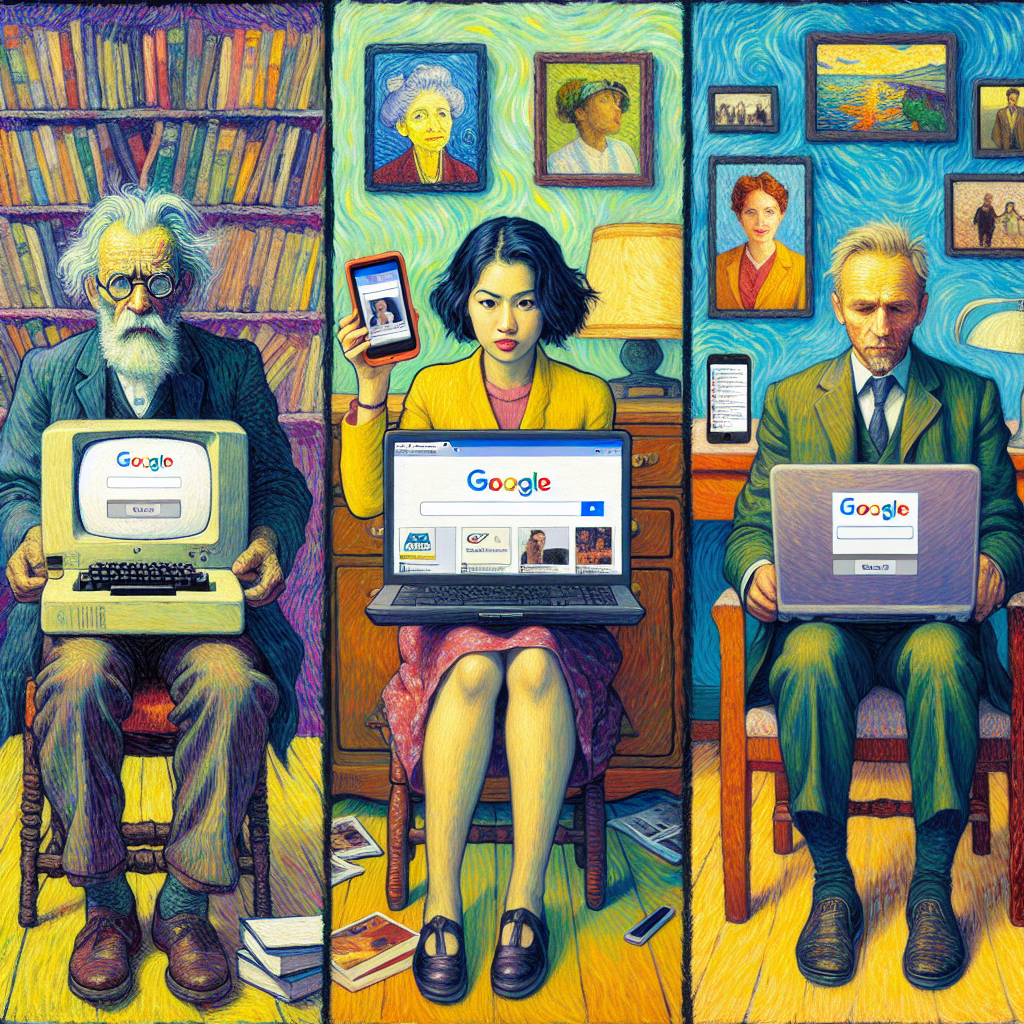
How Can Storytelling Foster Social Connections Among Seniors?
What Are Some Effective Storytelling Techniques For Seniors?
Storytelling is an art that transcends ages, but for seniors, it can also be a powerful means of connection and expression. Whether it’s around a cozy fire, a family gathering, or even on a website blog, sharing stories can create bridges between generations and preserve wisdom that might otherwise fade away. But how can seniors tap into their rich reserves of experience and convey their tales effectively? Here are some tried-and-true techniques that can help elevate their storytelling to resonate with listeners.
First and foremost, setting the scene is vital. Engaging your audience begins long before the punchline lands. Paint a picture with your words. Describe not just the “what” but the “where” and the “how.” Was it a sun-drenched afternoon at the park, or a chilly winter’s night in the living room? These details allow the audience to step into your shoes and experience the moment more vividly.
Next, consider character development. The best stories feature relatable characters with quirks, dreams, and fears. Don’t just tell us who they are—show us! Share a little backstory, a funny habit, or even a touching moment that reveals their humanity. This technique draws listeners in, making them care about the characters as if they were old friends.
Incorporating humor can also work wonders. Laughter is a universal language, and including humorous anecdotes or witty observations can break the ice. It lightens the atmosphere and makes your story approachable. Even a little self-deprecation can make you more relatable.
Pacing matters, too. Take your time. Don’t rush through the details. Allow the tension to build gradually, and let key moments linger. Pauses can be just as powerful as words; they give your audience time to digest what’s been said, especially during poignant moments.
Lastly, be sure to connect with your audience. Whether you’re storytelling in person or via a website blog, engage them directly. Ask questions, encourage them to share their own stories, or seek their reactions. This interaction not only enriches the storytelling experience but also fosters a sense of belonging.
So, as you delve into your latest reminiscence, remember these techniques. Storytelling isn’t just about recounting events; it’s about weaving together emotion, experience, and engagement. By embracing these strategies, seniors can craft narratives that captivate, educate, and inspire across generations.

What Are Some Effective Storytelling Techniques For Seniors?
What Are Some Effective Storytelling Techniques For Seniors?
- Storytelling helps seniors connect and express their experiences.
- Setting the scene is important for engaging the audience, using vivid descriptions.
- Character development involves sharing relatable traits and backstories to foster connection.
- Incorporating humor can lighten the mood and make stories more approachable.
- Pacing should be considered; take time to build tension and allow for impactful pauses.
- Audience connection is vital; engage listeners by asking questions and encouraging sharing.
- Effective storytelling weaves together emotion, experience, and engagement for lasting impact.

What Are Some Effective Storytelling Techniques For Seniors?
How Can Caregivers Incorporate Storytelling Into Their Routines?
Storytelling isn’t just for children; it’s a powerful tool that can foster connection, encourage communication, and inspire imagination—especially in caregiving settings. No matter if you’re managing the care of a parent, a spouse, or a friend, weaving storytelling into your daily routine can transform mundane moments into meaningful experiences. Here’s how you can do it.
First, tap into your own well of stories. Your life experience is rich with moments that can entertain and engage. Think about the stories that shaped you, the funny anecdotes, or the lessons learned along the way. Share these stories during quiet moments, whether you’re sitting at the kitchen table or taking a walk in the afternoon sun. Not only will it give the one you’re caring for a glimpse into your world, but it can also spark their own memories and stories, creating a two-way street of narrative exchange.
Next, encourage them to share their stories. Everyone has a tale buried somewhere, waiting to surface. Whether it’s a remarkable event from their youth or a pivotal moment in their career, these stories can help reestablish their identity. Use open-ended questions to gently prompt them. “What was your favorite adventure as a child?” or “Tell me about the first job you ever had.” Don’t rush the conversation; give them time to recall and articulate.
Another creative way to incorporate storytelling is through communal projects. Initiating a scrapbook or a family history book offers a chance to organize and preserve memories. You might find old photos, letters, or memorabilia that can inspire stories. As you sift through these items together, ask questions and encourage storytelling around each piece. This not only creates a lasting keepsake but also reinforces the bond between you two.
And let’s not overlook the digital world. Start a website blog dedicated to your journey as a caregiver. This not only serves as a therapeutic outlet for you but allows others to share their own experiences and stories as caregivers. Sharing insights, challenges, and victories can foster a community full of supportive voices, and perhaps even inspire others in similar situations.
Incorporating storytelling into your caregiving routine isn’t just about passing the time. It’s about building connections—one story at a time. So grab a cup of coffee, find a cozy spot, and let the tales unfold.

How Can Caregivers Incorporate Storytelling Into Their Routines?
How Can Caregivers Incorporate Storytelling Into Their Routines?
- Storytelling is a powerful tool for connection and communication in caregiving settings.
- Sharing personal life stories can transform mundane moments into meaningful experiences.
- Encourage those you care for to share their own stories to help reestablish their identity.
- Use open-ended questions to prompt storytelling, allowing ample time for recall.
- Engage in communal projects like scrapbooking or family history books to organize and preserve memories together.
- Utilize digital platforms, such as blogs, to share caregiving journeys and foster community support.
- Incorporating storytelling in caregiving builds deeper connections and enriches relationships.

How Can Caregivers Incorporate Storytelling Into Their Routines?
Are There Specific Storytelling Formats That Work Best For Seniors?
When it comes to storytelling, especially for seniors, the format you choose can make all the difference. With a wealth of life experience under their belts, older adults often have a treasure trove of stories to share. However, the medium through which these narratives are conveyed can either enhance or dilute their impact. So, what formats work best? Let’s break it down.
First off, consider the classic oral tradition. There’s something deeply powerful about a good, old-fashioned tale told face-to-face. This format allows for immediate engagement, and it’s an opportunity for seniors to connect emotionally through body language and inflection. Whether it’s recounting a cherished childhood memory or a lesson learned the hard way, oral storytelling can be a delightful exchange. Bringing family and friends together around a cozy fire or a kitchen table can create an intimate atmosphere where stories flourish.
Now, if you’re looking to reach a broader audience, then a website blog is a fantastic choice. Writing allows seniors to take their time, carefully crafting their stories without the pressure of an audience. The written word can capture the nuances of their experiences and lend themselves beautifully to introspection. Blogs can also be easily shared, allowing for discussions and connections with readers from all walks of life. Creating a blog isn’t just about sharing stories—it’s also about fostering community and sparking conversations that transcend generations.
Another effective format is the visual medium. Video storytelling, for instance, can be incredibly powerful. Picture a senior sitting in their favorite armchair, reminiscing about their days of yore, with family photographs and mementos interspersed throughout the footage. This format adds depth, allowing viewers to visualize narratives in a way that’s often more engaging than mere text. Plus, had a life well-lived, seniors can bring a level of authenticity and wisdom to their videos that you just can’t manufacture.
Finally, don’t underestimate the power of mixed media. Combining audio, text, and visuals can create rich, multi-layered narratives that resonate deeply. It allows seniors to tell their stories in dynamic ways that can hold an audience’s attention. Whether you’re helping them create a short documentary or an illustrated e-book, the goal remains the same: to preserve and celebrate their journeys.
So, whether it’s through a heartwarming oral tradition, a thoughtful website blog, a captivating video, or a vibrant combination of formats, the key takeaway is this: storytelling is a timeless art that thrives on connection, compassion, and creativity.

Are There Specific Storytelling Formats That Work Best For Seniors?
Are There Specific Storytelling Formats That Work Best For Seniors?
- The format of storytelling significantly impacts how seniors share their life experiences.
- Oral tradition allows for emotional engagement through face-to-face interaction and body language.
- Storytelling can create intimate settings, such as around a fire or kitchen table, enhancing the narrative exchange.
- A blog provides a platform for seniors to craft their stories thoughtfully, fostering community and intergenerational discussions.
- Video storytelling offers a powerful visual medium, making narratives more engaging and authentic.
- Mixed media combines audio, text, and visuals for dynamic narratives that capture attention.
- Storytelling is a timeless art that thrives on connection, compassion, and creativity.

Are There Specific Storytelling Formats That Work Best For Seniors?
How Does Sharing Personal Stories Aid In Healing For Seniors?
When you think about healing, you might picture a hospital bed, a medical team in scrubs, or even a fancy pill bottle. But let me tell you, healing can take on a much different—and often more profound—shape, especially for our seniors. It’s an underappreciated yet beautiful thing: the power of storytelling. You might wonder how something as simple as sharing personal stories can play a role in healing. Well, grab a comfy chair and let’s dive deep into this.
Imagine sitting in a cozy circle, surrounded by fellow seniors, each with a lifetime of experiences etched into their faces. When they gather to share their tales, it’s like peeling back layers of an onion. Each story reveals laughter, heartbreak, triumphs, and obstacles overcome. In these moments, seniors find solace and connection. They might be sharing tales from the good old days or recounting what they’ve learned through years of navigating life. It’s a profound form of therapy, one that can evoke nostalgia and resilience.
But here’s where it gets interesting: when they share their stories, they often relive those emotions. This isn’t merely about reminiscing; it’s about embracing the past, processing it, and finding closure. In fact, studies show that this kind of narrative therapy can help alleviate symptoms of depression and anxiety, often common in more senior populations. Feelings of isolation can melt away like ice in the sun as these folks discover they’re not alone in their struggles.
Sharing personal stories also allows seniors to redefine their narratives. Many might feel their lives have reached a stagnant point, and recounting their adventures can reignite a sense of purpose. Suddenly, they’re not just the “old folks” sitting quietly in the corner; they’re bearers of wisdom and experience. It restores a sense of identity that many fear they’ve lost.
You can find this swirling magic on countless platforms, just waiting for someone to hit “record” or put pen to paper. From community centers to online forums, sharing personal stories can take many forms. It’s not just a feel-good exercise—it’s a lifeline that reaches out, connects, and ultimately aids in healing.
So, next time you find yourself listening to a senior share a slice of their life, remember: you’re witnessing a transformative moment. Each story shared has the potential to change lives and foster healing, weaving a rich tapestry of human experience that binds us all together.

How Does Sharing Personal Stories Aid In Healing For Seniors?
How Does Sharing Personal Stories Aid In Healing For Seniors?
- Healing can take many forms, and storytelling is a powerful method, especially for seniors.
- Seniors sharing their life experiences fosters connection and provides emotional solace.
- This process resembles peeling back layers of an onion, revealing laughter, heartbreak, and triumph.
- Narrative therapy, through storytelling, can alleviate symptoms of depression and anxiety in seniors.
- Reliving emotions during storytelling helps seniors embrace their past and find closure.
- Sharing stories allows seniors to redefine their identities and rediscover their sense of purpose.
- Storytelling is available through various platforms and serves as a vital lifeline for connection and healing.

How Does Sharing Personal Stories Aid In Healing For Seniors?
Conclusion
As we wrap up our exploration of storytelling as a therapeutic tool for seniors, let’s take a moment to appreciate the enduring power of narratives. In a world that often overlooks the wisdom of our elders, storytelling emerges as a delightful antidote, breathing life into memories that might otherwise fade away. Imagine a gathering of seniors, each one holding a treasure chest of stories, waiting for the gentle nudge that invites them to share. That’s when the magic begins—a tapestry of laughter, nostalgia, and even the bittersweet essence of life’s journey, all stitched together through the act of storytelling.
When seniors share their tales, something truly special happens: connections are formed. As they recount their experiences, they engage not just with their own pasts, but with each other and the world around them. It’s a dance of memory and imagination, where laughter over shared experiences can light up a room and dissolve barriers. This is about more than just telling stories; it’s about re-establishing identity and purpose, reminding them—and us—that their lives are not just a series of events but rich narratives brimming with meaning.
But make no mistake—this isn’t just a one-way street. When younger generations lend an ear, they gain invaluable insights into a world that seems far removed from their own. This intergenerational exchange not only reinforces familial bonds but enriches the culture of storytelling itself, fostering empathy, understanding, and connection across age groups. It creates a legacy, reminding us all of the resilience and beauty that comes from embracing our histories, both joyful and sorrowful.
Moreover, let’s not underestimate the cognitive boost storytelling provides. It’s like a workout for the brain, stimulating pathways that might otherwise go dormant. When seniors spin a yarn, they’re doing more than just reminiscing; they are strengthening their cognitive faculties, nurturing creativity, and keeping loneliness at bay. It’s social glue, binding them to their communities and kicking those cognitive gears into full swing.
So, whether it takes place around a table, in a communal space, or even through a digital platform, storytelling is more than just a pastime—it’s a lifeline. It’s where healing begins, identities are reaffirmed, connections are made, and joy is rediscovered. In the grand tapestry of life, each story holds significance and offers insights, reminding us that every life lived is a tale worth telling. So let’s celebrate these narratives; after all, they’re an essential thread in the fabric of our shared humanity.

Conclusion
Conclusion:
- Storytelling serves as a therapeutic tool for seniors, revitalizing fading memories.
- It creates a gathering space for seniors to share their treasured stories, fostering connection and nostalgia.
- Sharing stories helps seniors re-establish their identity and purpose, highlighting the meaningfulness of their lives.
- Intergenerational exchanges enrich familial bonds and promote empathy and understanding between age groups.
- Storytelling provides cognitive benefits, stimulating brain pathways and enhancing creativity.
- It acts as social glue, combating loneliness and binding seniors to their communities.
- Ultimately, storytelling reveals the significance of every individual’s life story, enriching our shared humanity.

Conclusion
Other Resources

Other Resources
Here is a list of other resources you can review online to learn more:
- AddToAny
- Fathom.video
- Wordai.com
- Deepfakesweb.com
- Outfitsai.com
- Lumalabs.ai
- Baseten.co
- Bit.ai
- Photoleapapp.com
- Stunning.so
Use This Prompt To Get More Resources With Your Favorite Online AI Tool: Please provide me with a list of online articles with their URLs in a bulleted list that I can read regarding How Can Storytelling Serve As a Therapeutic Tool for Seniors?

Other Resources
Glossary Terms
How Can Storytelling Serve As a Therapeutic Tool for Seniors? – Glossary Of Terms
1. Anecdote: A short, amusing or interesting story about a real incident or person, often used in therapy to engage seniors and spark memories.
2. Autobiography: A written account of one’s own life; encouraging seniors to create autobiographies can foster reflection and self-identity.
3. Cognitive Stimulation: Activities like storytelling that engage the brain, enhancing cognitive functioning and potentially delaying cognitive decline.
4. Empathy: The ability to understand and share the feelings of others; storytelling can foster empathy and connections among seniors.
5. Expressive Writing: Writing as a means of exploring personal thoughts and feelings; beneficial for emotional well-being in older adults.
6. Facilitator: A person who guides a storytelling session, promoting participation and helping to create a safe environment for sharing.
7. Formative Experiences: Significant life events that shape a person’s identity; storytelling can help seniors process and find meaning in these events.
8. Intergenerational Connection: Bonds formed between different age groups; storytelling can bridge gaps and foster understanding and relationships.
9. Journaling: The practice of regular writing, which can serve as a therapeutic outlet for reflection and emotional processing.
10. Life Review: A therapeutic process involving reflection on past experiences, often facilitated through storytelling to promote understanding and closure.
11. Memory Sharing: The act of recalling and discussing memories; helps seniors stay connected to their past and promotes cognitive engagement.
12. Multisensory Engagement: Involving multiple senses in storytelling (e. g. , visual aids, sounds) to enhance emotional and cognitive responses in seniors.
13. Narrative Therapy: A therapeutic approach that uses storytelling to help individuals reshape their identity and life stories.
14. Peer Support: Emotional and social support from fellow seniors; group storytelling sessions can foster community and belonging.
15. Personal Narrative: A story that reflects an individual’s personal experiences; sharing these can empower seniors and validate their life journeys.
16. Playfulness: An approach to storytelling that encourages fun and creativity, which can lift spirits and promote happiness among seniors.
17. Resilience: The ability to recover from difficulties; storytelling can help seniors recognize and celebrate their resilience through shared experiences.
18. Role-playing: Acting out scenarios within stories; can be a therapeutic tool for exploring emotions and interactions safely.
19. Self-expression: The process of conveying thoughts and feelings; storytelling provides a platform for seniors to express themselves creatively.
20. Social Isolation: A common issue among seniors; storytelling groups can mitigate feelings of loneliness by fostering connections.
21. Story Circle: A group format where participants take turns sharing stories, promoting listening skills and community bonding.
22. Symbolism: The use of symbols within stories to represent larger themes or emotions, helping seniors explore complex feelings.
23. Therapeutic Alliance: The collaborative relationship between a therapist and client; in storytelling, this can manifest as trust in sharing narratives.
24. Therapeutic Benefits: Positive effects on mental and emotional health gained from storytelling practices, such as enhanced mood and connection.
25. Verbal Expression: The act of articulating thoughts and feelings verbally; can enhance communication skills in seniors through storytelling.
26. Vicarious Experience: Gaining understanding and empathy through listening to others’ stories, which can broaden perspectives for seniors.
27. Visual Storytelling: Using images or videos to convey a narrative; can be particularly engaging for seniors with visual elements.
28. Well-Being: A state of comfort, health, or happiness; storytelling can significantly contribute to the emotional and psychological well-being of seniors.
29. Wisdom Sharing: The act of conveying life lessons and insights through stories, which can empower seniors and enrich the lives of others.
30. Writing Prompt: A statement or question designed to inspire storytelling or writing, helping seniors overcome barriers to expression.

Glossary Of Terms
Other Questions
How Can Storytelling Serve As a Therapeutic Tool for Seniors? – Other Questions
If you wish to explore and discover more, consider looking for answers to these questions:
- What are the specific mental health benefits of storytelling for seniors?
- How can caregivers effectively encourage seniors to share their stories?
- Are there specific settings or environments that enhance storytelling for seniors?
- What challenges do seniors face when sharing their stories, and how can these be overcome?
- Can storytelling techniques vary based on the cognitive abilities of seniors?
- How can storytelling be integrated into activities in senior care facilities?
- What role does storytelling play in preserving cultural heritage among seniors?
- Are there any recommended tools or resources for seniors to help with storytelling?
- How does the audience’s engagement affect the storytelling experience for seniors?
- What impact does storytelling have on intergenerational relationships?
- Can technology assist seniors in storytelling, and if so, how?
- What are some examples of success stories where storytelling has positively impacted seniors?
- How can storytelling address feelings of loneliness among seniors?
- Are there different storytelling mediums that resonate differently with older adults?
- What training or resources are available for caregivers to improve their storytelling skills?

Other Questions
Haiku
How Can Storytelling Serve As a Therapeutic Tool for Seniors? – A Haiku
Healing through stories,
Seniors weave memories bright,
Bridges built with love.

Haiku
Poem
How Can Storytelling Serve As a Therapeutic Tool for Seniors? – A Poem
In cozy corners, tales unfurl,
Old voices rich in time’s embrace,
Echoes soft, where stories swirl,
Binding hearts in warm space.
Once distant, now the past ignites,
A tapestry of laughter and tears,
Through the corridors of memory’s lights,
Resilience blooms through the years.
Each wrinkle holds a vibrant thread,
Every gray hair tells of strife,
As elders share, the spirit’s fed,
In shared stories, we find new life.
Nostalgia dances, pride unfurls,
With mugs of coffee, they reminisce—
Life’s little joys, the ordinary pearls,
Amidst the silence, their stories kiss.
In shared narratives, compassion grows,
Roots of connection firmly laid,
From youth’s bravado to wisdom’s prose,
Healing blooms where love cascades.
So listen, gather close, invite,
Let each story weave its healing art,
For in the telling, we reignite
The bonds of identity in every heart.
Through laughter and pain, we understand,
Life’s rich tapestry, a shared embrace,
With storytellers’ threads in every hand,
Together we mend time and space.

Poem
Checklist
How Can Storytelling Serve As a Therapeutic Tool for Seniors? – A Checklist
Preparing for Storytelling Sessions
_____ Create a Comfortable Environment:
_____ Choose a cozy, quiet space free from distractions.
_____ Arrange seating for ease of conversation.
_____ Gather Materials:
_____ Have photos, memorabilia, or prompts available to inspire stories.
_____ Prepare writing materials if you want to document stories.
Storytelling Techniques
_____ Set the Scene:
_____ Encourage detail in descriptions; ask about sights, sounds, and feelings of specific memories.
_____ Focus on Character Development:
_____ Discuss key figures in the stories; who were they, what made them special?
_____ Incorporate Humor:
_____ Share funny stories or light-hearted moments to foster a joyful atmosphere.
_____ Pacing and Pausing:
_____ Remind the storyteller to take their time and pause for emphasis, allowing moments to resonate.
_____ Engage the Audience:
_____ Encourage questions and interactions; invite others to share their related experiences.
Fostering Connection
_____ Invite Open-Ended Conversations:
_____ Use prompts like “What was your favorite childhood memory?” or “Tell me about a pivotal moment in your life. ”
_____ Encourage Sharing of Personal Stories:
_____ Ask seniors to recount stories they’ve never shared before, emphasizing the importance of their experiences.
Creating Community and Legacy
_____ Initiate Communal Projects:
_____ Suggest creating scrapbooks or family history books that blend stories and photos.
_____ Explore Digital Storytelling:
_____ Discuss options for starting a blog or recording videos to share and preserve stories, helping others to connect.
Reinforcing Cognitive Engagement
_____ Practice Memory Recall:
_____ Include exercises like reminiscing about a specific time period or event that could stimulate cognitive functions.
_____ Celebrate the Mundane:
_____ Encourage the sharing of daily life stories that highlight small victories or routine joys.
Healing Through Storytelling
_____ Facilitate Emotional Reflection:
_____ Provide opportunities to discuss feelings tied to their stories to promote processing and closure.
_____ Record and Reflect:
_____ Capture stories in writing or video for future reflection, reinforcing a sense of identity and legacy.
Follow-Up and Continuation
_____ Schedule Regular Storytelling Sessions:
_____ Create a routine for storytelling, ensuring it remains a valued part of interaction.
_____ Check for Emotional Response:
_____ Take notes on emotional reactions and discuss them to deepen understanding and healing.
Utilize this checklist as a guide to engage seniors in storytelling, foster connection, enhance cognitive function, and promote healing through shared narratives.

Checklist
At WebsiteBloggers, we help website bloggers develop strategies to create content, traffic, and revenue from website blogs based on our experiences and experimentation.
Be sure to read our other related stories at WebsiteBloggers and share this article with your friends, family, or business associates who run website blogs.