Unleash Your Untold Stories With Engaging Narratives
By Tom Seest
At WebsiteBloggers, we help website bloggers develop strategies to create content, traffic, and revenue from website blogs based on our experiences and experimentation.
Be sure to read our other related stories at WebsiteBloggers and share this article with your friends, family, or business associates who run website blogs.
Are Your Stories Waiting to Be Told In an Engaging Way?
In a world buzzing with distractions, the art of storytelling often takes a backseat. You see, every one of us carries a treasure trove of experiences just waiting to be uncovered, polished, and shared with the world. Whether it’s a small triumph, a lesson learned the hard way, or a moment that made your heart race, every story matters. Yet, how many of your stories have truly seen the light of day?
It’s a shame to think that some fantastic narratives remain locked away, buried beneath stacks of mundane day-to-day chatter. It’s like having a website or blog full of traffic but devoid of content that actually connects with readers. The key, my friend, is in presentation. The way you relay your tales can transform a simple encounter into something impactful, engaging, and downright memorable.
Imagine sitting around a roaring campfire, sharing an unexpected adventure with friends. You wouldn’t drone on with bland details; you’d catch their attention, drawing them into every twist and turn of your experience. So, why not apply that same energy to your stories online? Your website or blog can become a vibrant canvas where your narratives come alive, allowing readers to feel the warmth of that fire and vicariously experience the adventures you’ve had.
Now, don’t get me wrong; it’s not about crafting a perfect sentence or using the fanciest words. It’s about authenticity. People connect with genuine stories—those that ring true and resonate with their own lives. Perhaps you’ve got a story about a tough day at work that ended with a victory. Whatever the situation, dive into the details, evoke emotion, and let the reader feel as if they were right there with you.
So, I challenge you to dig deep. Pull out those rich, nuanced tales that are just waiting to surface. Turn that website or blog into a vessel for your experiences. The more you share, the more you’ll inspire, connect, and engage. After all, it’s in these stories where we find common ground. As real as life gets, so should your storytelling—raw, relatable, and ready to spark a conversation. Dust off those narratives, and let’s get them out into the world. Your stories are waiting—let’s not keep them in the shadows any longer.

Are Your Stories Waiting to Be Told In an Engaging Way?
Are Your Stories Waiting to Be Told In an Engaging Way?
- The art of storytelling is often overlooked in a distracting world.
- Everyone has valuable experiences worth sharing, from small victories to important lessons.
- Many compelling stories remain untold, overshadowed by everyday conversations.
- Effective presentation is key to transforming simple encounters into impactful narratives.
- Authenticity is crucial; genuine stories resonate more with readers.
- Sharing personal experiences can inspire and connect with others on a deeper level.
- It’s time to uncover and share your stories, allowing them to shine and spark conversation.

Are Your Stories Waiting to Be Told In an Engaging Way?
Table Of Contents
- Are Your Stories Waiting to Be Told In an Engaging Way?
- How Can You Make Your Storytelling More Engaging?
- What Are The Key Elements Of A Compelling Story?
- Are You Starting With A Strong Hook In Your Narratives?
- How Do Visuals Enhance The Storytelling Experience?
- What Techniques Can Help Develop Relatable Characters?
- How Can You Structure Your Stories For Maximum Impact?
- What Role Does Emotion Play In Storytelling?
- Conclusion
- Other Resources
- Glossary Of Terms
- Other Questions
- Haiku
- Poem
- Checklist
How Can You Make Your Storytelling More Engaging?
When it comes to storytelling, the key isn’t just to relay information; it’s about crafting an experience that pulls your audience in. If you’re looking to make your storytelling more engaging, here are some tried-and-true methods to consider.
First off, let’s talk about relatability. People connect with stories that resonate with their own lives. Use familiar scenarios, relatable characters, or universal themes that can tap into the audience’s emotions. When someone can see themselves reflected in your tale, you’re halfway to holding their attention. Think of it as inviting them into your world, rather than delivering a lecture from a distant podium.
Next, sensory details are your best friend. The written word gives you the power to evoke sights, sounds, smells, and textures. Instead of simply stating facts, describe the crackling fire on a winter’s night or the taste of fresh, warm bread. Creating vivid imagery engages the audience’s imagination, making them feel like they’re right there beside you, experiencing everything firsthand.
Now let’s talk about structure. A meandering tale can lose even the most patient audience. Start strong with a hook—something that grabs their attention instantly. Follow that up with a clear progression, and build towards a climax that delivers a punch. Keep an eye on your pacing; sometimes, less is more. Quick, impactful moments can build tension, while quieter, reflective passages allow your audience to digest what’s just happened.
Another important element is vulnerability. Sharing your own struggles or failures can draw people in, making them realize they’re not alone in their own challenges. It’s not about wallowing; it’s about showcasing resilience. This authenticity fosters trust and connection, turning listeners into engaged participants in your narrative.
Finally, don’t forget the call to action. This doesn’t have to be a grand gesture. It can be as simple as asking your viewers to reflect on their experiences or encouraging them to share their own stories in the comments section of your website blog. This interaction not only keeps the conversation alive but also builds a community around your narratives.
So, whether it’s a heartwarming anecdote or a cautionary tale, remember—the essence of great storytelling lies in making people feel, reflect, and connect. Go ahead and make your stories matter, because you have the power to engage, inspire, and uplift.
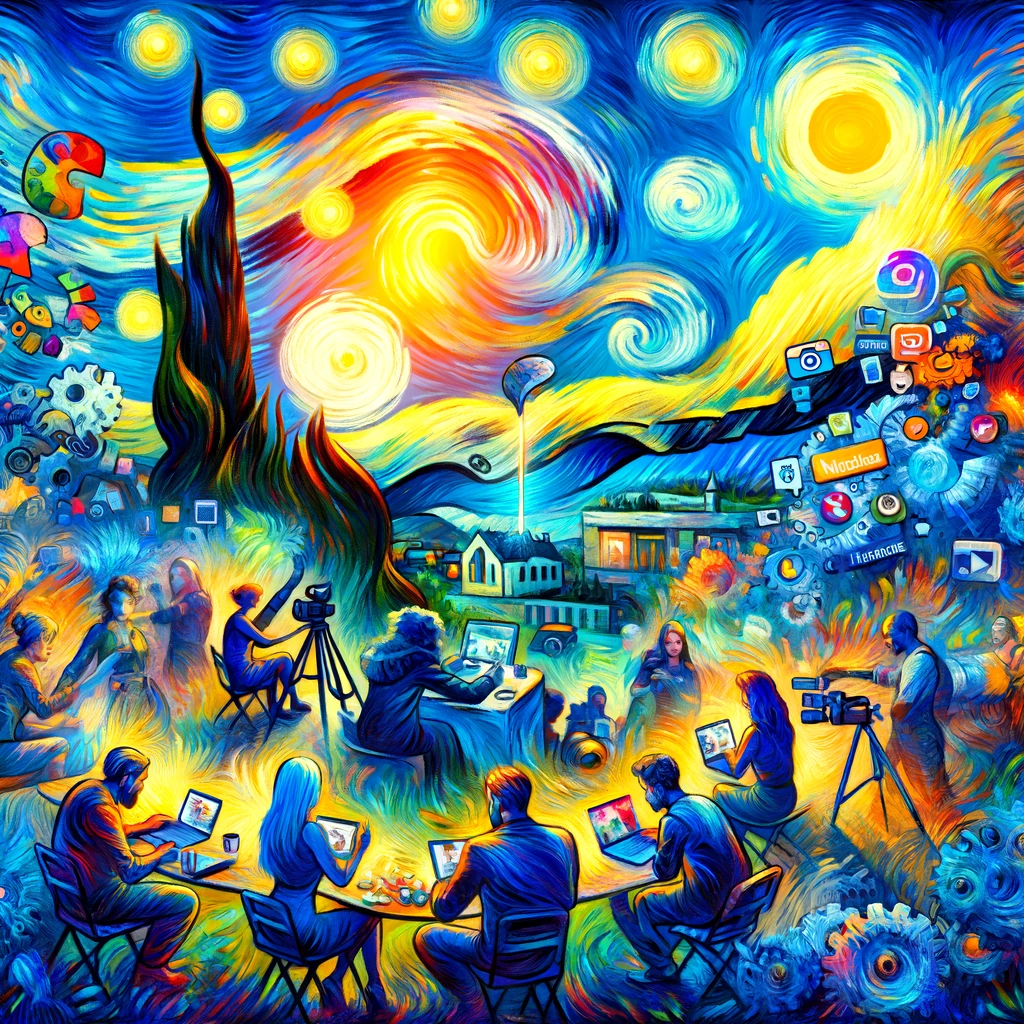
How Can You Make Your Storytelling More Engaging?
How Can You Make Your Storytelling More Engaging?
- Effective storytelling goes beyond merely relaying information; it aims to create an immersive experience.
- Relatability is key—use familiar scenarios and universal themes to connect emotionally with your audience.
- Incorporate sensory details to evoke vivid imagery and immerse the audience in the experience.
- Maintain a strong structure with a compelling hook, clear progression, and a climactic moment.
- Embrace vulnerability by sharing personal struggles, which fosters trust and connection with the audience.
- Include a call to action to encourage audience interaction, building a community around your stories.
- Great storytelling is about making people feel, reflect, and connect; strive to make your narratives impactful.

How Can You Make Your Storytelling More Engaging?
What Are The Key Elements Of A Compelling Story?
Every great story has a heartbeat, like a piece of machinery that’s operating just right. Each element works in tandem to create something that resonates with listeners, drawing them in and holding their attention like a child clutching a favorite toy. So, what are the key elements that make a story truly compelling?
First off, let’s talk about characters. They should be relatable, flawed, and complex. We want to see a bit of ourselves in them, grappling with their own challenges and triumphs. A good character has a backstory that shapes their choices, adding depth and dimension. When you can picture them as real people, you’re halfway to creating a story that grips the audience.
Next on the list is conflict. It’s the engine that drives the narrative forward. Without it, a story can feel stagnant, like a car stuck in neutral. Whether it’s a struggle against external forces or an internal battle, conflict fuels the tension and keeps the audience invested. Think of it as the rise and fall of action, creating a rhythm that guides your listeners through the emotional landscape of your story.
Then, we come to the setting. A well-crafted backdrop adds layers to a narrative, enriching the experience and making it more immersive. Is your story set in a bustling city, a quaint small town, or perhaps the vastness of the open road? The setting isn’t just a place; it’s a character in its own right, influencing the journey of the protagonist.
Let’s not forget about the plot structure. Every compelling story has a beginning, middle, and end, with each section serving a distinct purpose. The beginning sets up the premise and introduces characters, the middle raises the stakes and develops tension, and the end ties everything together, providing a sense of closure or leaving room for reflection.
Finally, there’s the theme—the underlying message or moral. It’s what lingers with the audience long after the story has concluded. A powerful theme resonates with shared human experiences, prompting us to think, reflect, and sometimes even change our perspectives.
So, whether you’re crafting a narrative for a website blog or standing in front of folks at a gathering, remember these elements. They’re the gears and cogs of storytelling machinery—essential for creating a tale that’s not just heard but felt.
What Are The Key Elements Of A Compelling Story?
What Are The Key Elements Of A Compelling Story?
- Every great story has a “heartbeat,” with elements working in harmony to engage listeners.
- Characters should be relatable, flawed, and complex, reflecting human experiences.
- Conflict is essential for driving the narrative, creating tension and interest.
- The setting enriches the narrative, acting as a character that influences the protagonist’s journey.
- A compelling plot structure includes a clear beginning, middle, and end, each with a distinct purpose.
- The theme provides an underlying message, resonating with audiences long after the story ends.
- These storytelling elements are crucial for creating narratives that are felt, not just heard.

What Are The Key Elements Of A Compelling Story?
Are You Starting With A Strong Hook In Your Narratives?
Every story has the potential to be a thrilling ride, full of unexpected twists and turns, but if you don’t grab your audience by the collar right from the start, you might as well be talking to a wall. Think of a narrative like a great meal; the first bite sets the tone for everything that follows. If you’re dishing up a bland appetizer, your diners aren’t going to stick around for the main course. This is where your hook comes into play—a strong, enticing opening that piques curiosity and pulls your reader in.
Whether you’re crafting a website blog or penning a heartfelt memoir, your opening lines are your opportunity to whet the audience’s appetite, drawing them into your unique world. Consider this: what makes you stop scrolling? What compels you to read article headlines or click through a captivating introduction? That’s your north star! You’ve got to channel that same energy into your own work.
A powerful hook could be a surprising statistic that leaves your audience agape. Maybe it’s an anecdote that resonates personally or a bold statement that challenges conventional wisdom. Use vivid imagery that paints a picture in the mind, or perhaps ask a provocative question that lingers long enough to ignite reflection. The right hook will not only engage your audience but also signal that you’ve got something worthwhile to say.
Now, don’t get me wrong—getting that opening line just right can feel as daunting as changing a flat tire in the middle of a thunderstorm. But with a bit of grit and determination, you’ll find it’s worth the effort. Test out different kinds of hooks. Try them on for size and see which one fits best with the overall tone and theme of your story. Just like a good tradesman always carries the right tools, you should have a handful of strong opening strategies at your disposal.
And remember, once that hook is set, you’ve got to reel them in! Follow up with substance, build on that initial intrigue, and don’t let their interest fade. So let’s get out there and craft those entries—make every word count! The journey starts with a strong hook, and it’s time to grab your audience’s attention.

Are You Starting With A Strong Hook In Your Narratives?
Are You Starting With A Strong Hook In Your Narratives?
- Every story needs a strong opening to engage the audience effectively.
- The first lines set the tone for the entire narrative, akin to a meal’s first bite.
- A compelling hook should pique curiosity and draw readers into your unique world.
- Consider what captures your attention when consuming content; use this insight in your writing.
- Effective hooks can include surprising statistics, relatable anecdotes, bold statements, vivid imagery, or provocative questions.
- Experiment with different types of hooks to find the best fit for your story’s tone and theme.
- After the hook, maintain reader interest by providing substance and building on initial intrigue.

Are You Starting With A Strong Hook In Your Narratives?
How Do Visuals Enhance The Storytelling Experience?
In a world overflowing with content, the difference between a story that just gets told and one that truly resonates often boils down to one key element: visuals. Whether it’s through the imagery on a website or the lively graphics in a blog, visuals play a vital role in shaping the storytelling experience. They are more than just pretty pictures—like a well-tuned engine, they drive engagement and evoke emotions that mere words sometimes fail to capture.
Imagine scrolling through a long article on a digital platform. Words are stacked neatly on the screen, perhaps straining your patience as your eyes dart left and right. Now, insert a striking image or an engaging infographic, and suddenly the narrative breathes. Visuals act like a doorway, welcoming readers into the narrative’s heart. They provide context, bridge comprehension gaps, and invite curiosity. A powerful visual can evoke feelings of nostalgia, excitement, or even discomfort, all of which deepen the audience’s connection to the story.
In the realm of a website blog, this becomes even more apparent. The layout, imagery, and even the choice of font can influence how a story is perceived. Bold colors and engaging graphics can incite a visceral response, pulling viewers in and compelling them to keep reading. The right visual can serve as a metaphor, offering layers of meaning that resonate long after the final sentence. Imagine a blog post detailing the plight of a small-town factory struggling to survive. A photo showing the factory’s rusty machinery juxtaposed with smiling, resilient workers tells a tale of struggle and perseverance that words may gloss over.
Moreover, visuals often serve a practical purpose—helping to break up dense paragraphs and giving our weary eyes a moment of respite. In today’s fast-paced digital environment, attention spans are shorter than ever. Engaging visuals can be the difference between a casual scroller and a captivated reader. They also enhance retention; studies have shown that people remember visual information far more effectively than text alone.
Visuals are not just an accessory to storytelling; they’re an essential component. They enhance experience, captivate attention, and enrich meaning, turning simple narratives into powerful tales worthy of remembrance. So the next time you craft a story—be it on a website blog or elsewhere—remember the potency of images in your arsenal. They might just be the key that unlocks your audience’s hearts and minds.
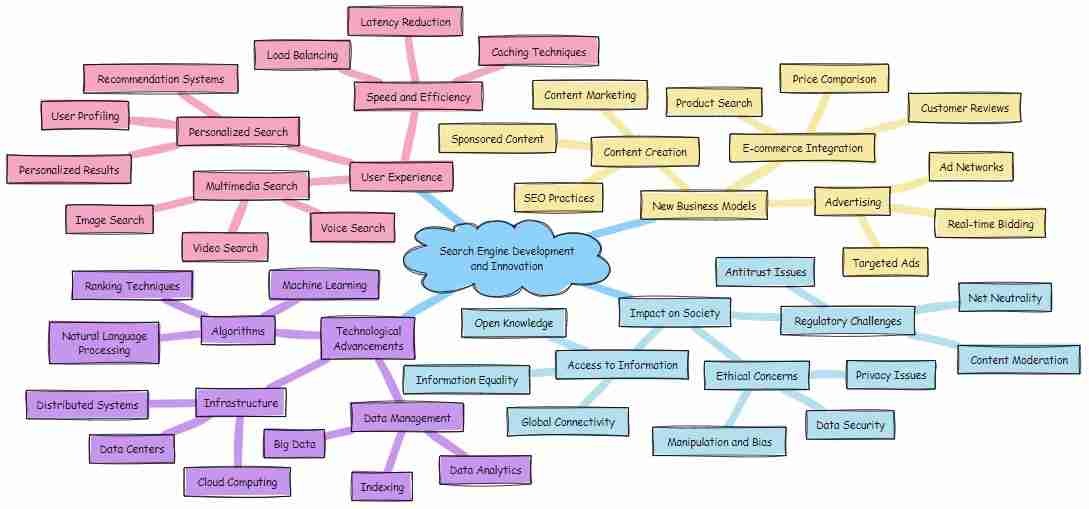
How Do Visuals Enhance The Storytelling Experience?
How Do Visuals Enhance The Storytelling Experience?
- Visuals are crucial in differentiating impactful stories from mere narratives.
- They enhance storytelling by driving engagement and evoking emotions beyond what words can convey.
- Striking images and infographics welcome readers into the narrative and provide important context.
- The layout, imagery, and font choice on a blog influence how the story is perceived by its audience.
- Effective visuals can represent complex themes and foster a deeper connection to the story.
- Engaging visuals help break up text, making content more digestible and appealing in our fast-paced digital world.
- Visuals are essential for enhancing experience, attention, and meaning, transforming simple narratives into memorable tales.

How Do Visuals Enhance The Storytelling Experience?
What Techniques Can Help Develop Relatable Characters?
Creating relatable characters isn’t just a task for seasoned writers; it’s a challenge that anyone who pulls a pen or taps a keyboard can embrace. Let’s dig into some techniques that can breathe life into your characters, transforming them from mere words on a page into individuals your readers can connect with.
Start With Flaws
Nobody’s perfect. In fact, it’s our imperfections that make us human. Think about your favorite character—chances are they’ve got their share of problems and quirks. Maybe they’re brave but impulsive, or perhaps witty yet incredibly insecure. Flaws add dimension to characters, allowing readers to see parts of themselves reflected back. A well-developed character should have struggles that resonate, making them feel like old friends rather than fictional entities.
Establish Clear Motivations
Every character needs a reason to do what they do. Some motivations are simple: a desire for love, acceptance, or revenge. Others can be subtle, like seeking validation or grappling with a past mistake. Once you know what drives your character, you can create scenarios that reveal these motivations organically. A character’s choices—guided by their desires—will help readers relate to their journey, making for an engaging narrative.
Craft Unique Voice
Language is a powerful tool. The way characters express themselves can make all the difference. Consider their background, education, and personality. Are they fidgety and anxious, speaking in fragments? Or are they eloquent storytellers, weaving intricate tales? Using distinctive dialogue can help paint a vivid picture of who they are while keeping the reader invested in their perspective.
Incorporate Real-Life Experiences
Take a trip to the real world. Observe the people around you—the way they speak, how they react under pressure, or how they handle joy and grief. Infusing your characters with real emotions based on actual experiences can deepen relatability. Authenticity is essential; even the wildest fantasy can feel grounded with genuine human responses.
Allow for Growth
Readers naturally root for characters who evolve. Whether they learn a harsh lesson, overcome a fear, or mend broken relationships, showcasing growth can be incredibly rewarding. It mirrors our own lives, where personal growth is often messy but necessary.
So, from flaws to motivations, voice to growth, integrating these techniques into your writing can help you create characters that leap off the page and into the hearts of your readers. Remember, relatable characters are the heartbeat of a compelling story, and it’s your job to make that heart beat loudly.

What Techniques Can Help Develop Relatable Characters?
What Techniques Can Help Develop Relatable Characters?
- Creating Relatable Characters: A challenge accessible to all writers, not just seasoned professionals.
- Start With Flaws: Imperfections make characters relatable, reflecting readers’ own struggles.
- Establish Clear Motivations: Characters need clear motivations, whether simple (love, revenge) or complex (validation, past mistakes).
- Craft Unique Voice: Distinctive dialogue and expression reflect characters’ backgrounds and personalities.
- Incorporate Real-Life Experiences: Observing real emotions in people can enhance character authenticity.
- Allow for Growth: Characters that evolve are more relatable, mirroring readers’ own experiences of personal growth.
- Engagement: Using these techniques helps create compelling and relatable characters that resonate with readers.

What Techniques Can Help Develop Relatable Characters?
How Can You Structure Your Stories For Maximum Impact?
When it comes to storytelling, a little structure goes a long way. Whether you’re crafting a piece for your website or a blog, the way you shape your narrative can make all the difference in how it’s received. Let’s face it: in today’s fast-paced world, grabbing attention is step one. Keeping it is a whole different ballgame.
First things first, start with a hook. You’ve got only a few moments to capture your audience’s interest, so make it count! This could be a provocative question, a surprising fact, or a vivid image. Whatever it is, ensure it’s relatable and sets the tone for the rest of your story. Think of it as the front porch of your blog; it’s gotta make folks want to step inside.
Next, create a clear structure. Here’s a simple formula: beginning, middle, and end. It sounds cliché, but there’s a reason this framework has stood the test of time. Your beginning should introduce the characters and the setting, while the middle dives into the conflict or the challenge at hand. Finally, wrap things up with a resolution that ties back to your key points and leaves the reader feeling satisfied. Nobody wants to close the tab feeling like they’ve just encountered an unresolved plot twist.
Don’t forget to weave in emotions. The heart of any great story lies in its ability to resonate with listeners. Is there a bittersweet moment? A laugh-out-loud instance? A twist that’ll make jaws drop? Infuse your narrative with these emotional punches to keep readers engaged and invested in what comes next. Remember, a well-timed laugh or a heartfelt revelation can transform a simple tale into a memorable one.
Lastly, be authentic. Your audience can tell when you’re being genuine or just going through the motions. Share real experiences and lessons learned. Whether it’s your own stories or those of people you’ve encountered, authenticity builds trust and connection, encouraging readers to return to your website or blog for more.
So, in the end, think of your stories as the roadmap to a meaningful journey for your audience. Structure them thoughtfully and with heart, and you’ll command attention and leave a lasting impact that resonates long after the last word is read.

How Can You Structure Your Stories For Maximum Impact?
How Can You Structure Your Stories For Maximum Impact?
- Storytelling structure enhances the impact of narratives, whether for a website or blog.
- Start with a hook to quickly capture the audience’s interest, such as a provocative question or vivid image.
- Follow a clear structure: beginning (introducing characters and setting), middle (conflict or challenge), and end (resolution and key points).
- Incorporate emotional elements to resonate with readers, such as bittersweet moments or surprising twists.
- Authenticity is key; share genuine experiences to build trust and connection with your audience.
- Think of stories as a roadmap to a meaningful journey for your audience.
- Careful structuring and emotional engagement will lead to lasting impact and retention.

How Can You Structure Your Stories For Maximum Impact?
What Role Does Emotion Play In Storytelling?
Think back to the last time you really connected with a story. Maybe it was in a book, a movie, or even an anecdote shared around a campfire. The one common thread across all those memorable moments? Emotion. It’s the engine that fuels storytelling, turning simple narratives into profound experiences.
First off, let’s get real. Humans are emotional creatures. We’re not just logical beings crunching numbers; we thrive on feelings. Whether it’s joy, sadness, anger, or fear, these emotions form the backbone of engagement in storytelling. When a character faces a monumental challenge, we feel their anxiety. We cheer for their triumphs and grieve their losses. That visceral reaction is what keeps us coming back for more.
Now, if emotion serves as the glue that binds us to characters, let’s consider another aspect: relatability. Think about it—when characters experience feelings that mirror our own, we’re drawn into their world. This connection makes them real, and in turn, makes their journey resonate on a personal level. It’s the reason why stories about love, loss, and redemption are timeless; every one of us has navigated those rough waters at some point. The journey might be different, but the emotions? They’re universal.
Moreover, emotional storytelling can serve a greater purpose. It can educate, inspire, and even challenge the status quo. Take documentaries, for instance. They often rely heavily on emotionally charged narratives to shine a light on social issues that demand our attention. They pull at our heartstrings, tugging us into action. It’s not just about conveying facts; it’s about stirring the soul and igniting a fire within the audience to make a change.
And let’s not overlook the role of humor. It’s a powerful emotional tool that can disarm us, allowing us to connect with the storyteller. A well-timed joke can break the ice or turn a tense moment into something relatable, deepening our emotional investment in the story.
Emotion is the lifeblood of storytelling. It creates connections, fosters empathy, and often challenges us to reflect on our own experiences. Whether through tears, laughter, or inspiration, the emotional landscape of a narrative leaves an indelible mark, turning fleeting stories into memories that linger long after the final words are spoken.
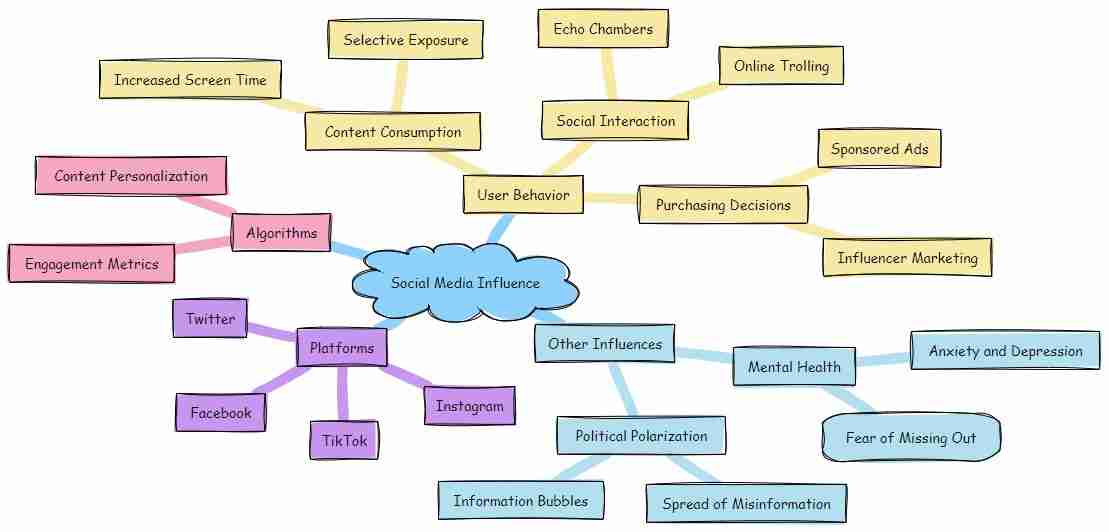
What Role Does Emotion Play In Storytelling?
What Role Does Emotion Play In Storytelling?
- Emotion is the core of storytelling, transforming simple narratives into profound experiences.
- Humans are emotional beings; feelings like joy, sadness, anger, and fear enhance storytelling engagement.
- Relatability makes characters real; shared emotions draw audiences into the story.
- Timeless stories often revolve around universal themes of love, loss, and redemption.
- Emotional storytelling can educate, inspire, and challenge social norms, especially in documentaries.
- Humor serves as a powerful emotional tool, facilitating connection with the storyteller.
- Overall, emotion fosters empathy and reflection, creating lasting memories from stories.

What Role Does Emotion Play In Storytelling?
Conclusion
In this fast-moving world we live in, storytelling isn’t simply a pastime; it’s a necessity. Think about it: every person you encounter is a walking archive of experiences, rich with tales waiting to be told. Yet, how many of us actively pull those stories from the shadows? It’s a shame how many fantastic narratives are buried under the weight of everyday banter, like gold coins lost in a field of gravel.
Here’s the deal: presentation is everything. You could have a gripping experience to share, but if you tell it like you’re reading a textbook, you risk losing your audience. Think about gathering around a campfire, each person hanging on every word. Would you describe your adventure in mundane terms? No way! You’d amp it up, drawing your listeners in, igniting their imaginations. That’s the essence of effective storytelling—making your readers feel as if they’re part of your journey.
But it’s not just about spicing your tales with flair. Authenticity matters. People want to connect with real, raw stories that resonate with their own lives. So, dig deep into your personal vault of experiences: those hard-fought victories, the days that left you questioning everything, or the moments of serendipity. Each story has the potential to inspire, provoke thought, or spark conversations that can lead to real connections.
Now, what are the components of a compelling narrative? Start with relatable characters who are intricately flawed, sprinkled with their own quirks and aspirations. Throw in a hearty dose of conflict, an engaging setting, and a plot that flows smoothly from setup to climax and resolution—the magic formula to keep your audience engrossed. Add vibrant sensory details and an emotional undertone, and you’ve got a recipe for a story that sticks with the audience long after they’ve closed the tab.
But remember: it’s not just your words at play here. Visuals enhance storytelling; they can pull readers into your experience or help them digest complex ideas quickly. So, as you weave your tales—whether through blog posts, speeches, or social media—embrace both the art of narrative and the power of imagery.
In conclusion, there’s a treasure trove inside you waiting to be released. The world craves your stories, so don’t let them sit idle. Dust them off, get them into the light, and let your voice shine. The next time you hesitate to share your experiences, remember that every genuine story can ignite a spark, build a bridge, or foster understanding. Let’s stop relegating storytelling to the sidelines. It’s time to step up, share your truth, and unleash those narratives just waiting to change the world.

Conclusion
Conclusion:
- Storytelling is essential in our fast-paced world, with everyone holding valuable experiences.
- Many compelling stories remain untold amidst everyday conversations.
- Engaging presentation is crucial; storytelling should evoke strong emotions and imaginations.
- Authenticity in storytelling connects deeply with audiences, highlighting genuine experiences.
- A compelling narrative includes relatable characters, conflict, engaging settings, and a clear plot structure.
- Visuals enhance storytelling, helping to illustrate complex ideas and engage readers further.
- Every person’s story is valuable; sharing them can foster connection and understanding.

Conclusion
Other Resources

Other Resources
Here is a list of other resources you can review online to learn more:
- Palette.fm
- Imgcreator.ai
- Brain.fm
- Got-it.ai
- Google Business Profile
- Poly.cam
- Pixelz.ai
- Dubverse.ai
- AI Blog Writer
- Copysmith.ai
Use This Prompt To Get More Resources With Your Favorite Online AI Tool: Please provide me with a list of online articles with their URLs in a bulleted list that I can read regarding Are Your Stories Waiting to Be Told In an Engaging Way?

Other Resources
Glossary Terms
Are Your Stories Waiting to Be Told In an Engaging Way? – Glossary Of Terms
1. Narrative: A structured account of events or experiences that conveys a message or theme.
2. Protagonist: The main character in a story, often facing challenges that drive the plot forward.
3. Antagonist: A character or force that opposes the protagonist, creating conflict in the story.
4. Conflict: The struggle between opposing forces in a narrative, essential for driving the plot.
5. Theme: The underlying message or central idea that the story explores, such as love, loss, or redemption.
6. Plot: The sequence of events that make up the story, including the exposition, rising action, climax, falling action, and resolution.
7. Character Development: The process by which characters evolve throughout the story, becoming more complex and relatable.
8. Setting: The time and place in which the story occurs, providing context and atmosphere.
9. Point of View: The perspective from which the story is told, which can be first-person, second-person, or third-person.
10. Dialogue: The written conversation between characters, which reveals their personalities and advances the plot.
11. Imagery: Descriptive language that appeals to the senses and creates vivid mental pictures.
12. Symbolism: The use of symbols to signify ideas and qualities, giving deeper meaning to the narrative.
13. Tone: The attitude or emotional quality conveyed by the author’s writing style, influencing how readers feel about the story.
14. Pacing: The speed at which the story unfolds; effective pacing keeps the audience engaged.
15. Hook: An engaging opening or element that captures the audience’s attention right from the beginning.
16. Climax: The most intense, exciting, or important point of the story where the main conflict reaches its peak.
17. Resolution: The conclusion of the story where conflicts are resolved, and the narrative comes to a close.
18. Foreshadowing: A literary device used to hint at events that will occur later in the story, building anticipation.
19. Backstory: The history or background of a character or situation that provides context for the current narrative.
20. Perspective: The emotional and intellectual lens through which the story is told, influencing reader interpretation.
21. Voice: The distinctive style and tone of the author or narrator, giving personality to the storytelling.
22. Motif: A recurring element, theme, or idea in a story that contributes to its overall meaning.
23. Plot Twist: An unexpected development in the story that alters the direction of the narrative.
24. Character Arc: The transformation or inner journey of a character throughout the story, showing growth or change.
25. Suspense: A tension-filled state of uncertainty and excitement about what will happen next.
26. Cliché: Overused phrases or ideas that lack originality, potentially detracting from the story’s impact.
27. Flashback: A narrative technique that takes the reader back in time to provide context or insight into a character’s past.
28. Epiphany: A moment of sudden realization or insight experienced by a character, often leading to transformation.
29. Subtext: The underlying or implicit meaning in dialogue or actions that is not directly stated.
30. Engagement: The emotional and intellectual connection a reader feels toward the story, characters, and themes.

Glossary Of Terms
Other Questions
Are Your Stories Waiting to Be Told In an Engaging Way? – Other Questions
If you wish to explore and discover more, consider looking for answers to these questions:
- How can I identify my own untold stories?
- What specific techniques can I use to enhance the presentation of my narratives?
- Are there common pitfalls to avoid in storytelling?
- What are some exercises to improve storytelling skills?
- How do I maintain reader interest throughout a longer piece?
- How can cultural influences impact storytelling styles?
- What types of stories resonate most with audiences today?
- How can I effectively incorporate feedback into my storytelling?
- What role does humor play in storytelling, and how can I use it?
- How do I create a strong emotional connection with my audience?
- Can storytelling techniques be applied to other forms of communication?
- What are some examples of compelling stories from different mediums?
- How can I balance creative expression with audience expectations?
- What resources can I explore to further develop my storytelling craft?
- How can storytelling be utilized for personal branding or marketing?

Other Questions
Haiku
Are Your Stories Waiting to Be Told In an Engaging Way? – A Haiku
Stories wait to bloom,
Share the heart’s true whispers,
Engage, connect, grow.

Haiku
Poem
Are Your Stories Waiting to Be Told In an Engaging Way? – A Poem
In the noise of life, where stories lie still,
A treasure awaits, each heart’s quiet thrill.
Moments of triumph, a lesson learned,
Shadows of whispers, tales yet to be turned.
Dust off your memories, let them unfold,
Every narrative matters, each one a bright gold.
Around a warm fire, friends gather near,
Share each adventure, bring laughter and cheer.
Craft with authenticity, let truths resonate,
For connections are forged where emotions await.
As characters stumble through struggles and strife,
We find in their journeys, the rhythm of life.
Visuals enchant, like colors on the page,
Engaging the senses, igniting the stage.
From vivid descriptions to heartfelt embrace,
Invitation to dance in the story’s warm space.
Structure your tales with a relatable hook,
Captivate hearts with the lessons you took.
Emotions lend strength, as laughter meets tears,
Resonating gently, echoing fears.
So gather your stories, draw them from the deep,
Share them with passion; they’re yours to keep.
Let’s shine a light on the experiences you’ve known,
For the world craves connection, from seeds you have sown.
Your untold stories are waiting, let’s set them free,
Transform the mundane into shared history.
With each word, a bridge, with each tale, a spark,
Let’s write with our hearts, and light up the dark.

Poem
Checklist
Are Your Stories Waiting to Be Told In an Engaging Way? – A Checklist
Preparation for Storytelling
_____ Identify your personal stories: Reflect on key experiences, triumphs, lessons learned, and moments that left an impact on you.
_____ Define your purpose: What do you want to convey with your story? Determine the message or theme you wish to share.
Crafting Your Narrative
_____ Begin with a strong hook: Choose an attention-grabbing opening line, question, or surprising fact.
_____ Establish relatable characters: Create characters that are complex, flawed, and resonate with your audience.
Structuring Your Story
_____ Use a clear structure: Follow the classic beginning (set-up), middle (conflict), and end (resolution) model.
_____ Build on conflict: Introduce tension or challenges that your characters face to keep the audience engaged.
Enhancing Engagement
_____ Incorporate sensory details: Use vivid language to evoke sight, sound, smell, and texture in your storytelling.
_____ Emphasize emotions: Reflect on how your characters and situations evoke feelings, making the narrative relatable and impactful.
Inviting Interaction
_____ Include a call to action: Encourage your audience to reflect on their experiences or share their stories in response.
Utilizing Visuals
_____ Use images and graphics: Integrate visuals that complement and enhance your narrative, making it more engaging and easier to understand.
Fostering Authenticity
_____ Embrace vulnerability: Share personal struggles or failures to build trust and establish genuine connections with your audience.
_____ Stay true to your voice: Write in a way that feels authentic to you, showcasing your unique style and perspective.
Final Touches
_____ Edit for clarity: Revise your narrative to ensure it flows smoothly and captures your intended message.
_____ Gather feedback: Share your story with others to gain insights and make improvements.
Sharing Your Story
_____ Choose the right platform: Decide where to share your stories (website, blog, social media) to reach your audience effectively.
_____ Consistently share narratives: Develop a habit of regularly telling and sharing stories to keep your audience engaged and connected.
Use this checklist as a guide to help you unleash and share your untold stories in an engaging way!

Checklist
At WebsiteBloggers, we help website bloggers develop strategies to create content, traffic, and revenue from website blogs based on our experiences and experimentation.
Be sure to read our other related stories at WebsiteBloggers and share this article with your friends, family, or business associates who run website blogs.