Challenging The Future Of Authenticity In Marketing
By Tom Seest
At WebsiteBloggers, we help website bloggers develop strategies to create content, traffic, and revenue from website blogs based on our experiences and experimentation.
Be sure to read our other related stories at WebsiteBloggers and share this article with your friends, family, or business associates who run website blogs.
Can The Marketing Term Authenticity Survive 2025?
Imagine stepping into a local diner, the kind where the walls are plastered with photographs of familiar faces and moments that make you feel at home. The aromas of homemade pie and fresh coffee wrap around you, inviting you to take a seat and listen to the chatter of satisfied customers. In that space, authenticity isn’t just a word; it’s a palpable feeling, an experience that makes you want to return. Now, consider this: can the same warmth and connection that you find there translate into the cold, calculated world of marketing as we rocket toward 2025?
For years, companies have touted authenticity as their calling card. But let’s be honest: how many ads have left you scratching your head, wondering if the brand truly cared, or if they were just playing a part? It’s not that we don’t want to believe in authenticity; it’s that we’ve seen it dressed up in a shiny suit and tie, standing next to a massive logo. When did being genuine morph into another seductive marketing gimmick?
As we march forward, the challenge is twofold: brands must become the true reflection of who they claim to be, and we, the consumers, must keep a discerning eye. It’s about a relationship, folks—not just transactions. We want to engage with companies that speak to our values, that foster a sense of belonging, not merely those peddling flashy products filled with empty promises.
So, what can we do? We can start by supporting the businesses that walk the walk. Seek out companies with open lines of communication, those that actively engage in their communities and genuinely embrace their customers’ feedback. If you come across a website blog that resonates with you, dive into it! Become a part of their story and watch how together, you can cultivate a space of trust and understanding.
As we approach 2025, the term “authenticity” will either cement itself as a cornerstone of successful branding or become just another buzzword that fades away. The power lies in our hands. Let’s demand authenticity from the brands we interact with—because if they want to wear that badge, it’s up to them to earn it. Together, we can create a marketplace where authenticity thrives, reminding brands that the human experience comes before the hashtag.

Can The Marketing Term Authenticity Survive 2025?
Can The Marketing Term Authenticity Survive 2025?
- Authenticity should evoke feelings of warmth and belonging, akin to stepping into a local diner.
- Many brands compete on the notion of authenticity, but often come across as insincere in their marketing.
- There is a growing skepticism among consumers regarding brands’ genuine intentions.
- The relationship between brands and consumers should focus on community and shared values, rather than mere transactions.
- Consumers are encouraged to support businesses that demonstrate true engagement and transparency.
- As we approach 2025, authenticity could become either a vital branding element or just another fading trend.
- The responsibility to demand and cultivate authenticity lies with both brands and consumers alike.

Can The Marketing Term Authenticity Survive 2025?
Table Of Contents
- Can The Marketing Term Authenticity Survive 2025?
- How Has Consumer Perception Changed?
- What Role Does Social Media Play In Authenticity?
- Can Brands Maintain Authenticity In A Digital Age?
- How Are Companies Measuring Authenticity Effectively?
- What Examples Showcase Brands Failing Authenticity?
- How Do Cultural Shifts Impact Marketing Authenticity?
- Conclusion
- Other Resources
- Glossary Of Terms
- Other Questions
- Haiku
- Poem
- Checklist
How Has Consumer Perception Changed?
If you think back a decade or even just a few years ago, you’ll notice a seismic shift in the way consumers view products and brands. Gone are the days when slick advertisements and glossy images ruled the roost. These days, consumers are much more discerning—almost like they’ve developed a sixth sense for authenticity. It’s as if a little more wisdom has seeped into the collective consciousness, and thankfully, people are now more attuned to the values behind the brands they invite into their lives.
Take a moment to reflect: how many times have you found yourself navigating a Website Blog before making a purchase? Chances are, it’s become a ritual of sorts. Consumers are no longer just eager buyers; they’re informed advocates. They sift through testimonials, read product reviews, and engage in lively discussions on social media. With a simple click, they have a wealth of information at their fingertips. It’s like having a board of trusted advisors always available, ready to guide you through your purchasing journey.
Consider how this has affected brand management. Companies no longer have the luxury of operating behind the curtain. Transparency is now the name of the game. If something’s off—whether it’s a misleading ad or a negative customer experience—it doesn’t take long for the echoes of discontent to ripple across the internet. Consumers are holding brands accountable, expecting them to act not just as sellers but as genuine contributors to their lives. This shift has elevated the importance of customer service and ethical practices. In a world where you can “tweet” at a company and receive a real-time response, the pressure is on for businesses to rise to the occasion.
And let’s face it, this provides a golden opportunity for those who are willing to step up. Brands that embrace honesty and transparency cultivate trust, and over time, that trust translates into loyalty—often more valuable than fleeting, price-driven sales. Whether you’re a small business just starting or a seasoned player in your industry, take a moment to examine how you’re connecting with your audience. Are you communicating your values? Are you being authentic? In today’s market, these aren’t just questions; they’re calls to action. Embrace the change, and you may not only thrive but build lasting relationships with a community that values what you bring to their lives.

How Has Consumer Perception Changed?
How Has Consumer Perception Changed?
- Consumer perception of products and brands has significantly changed over the past decade.
- Authenticity has become a key factor for consumers, moving beyond flashy advertisements.
- Consumers are now informed advocates who actively research and discuss products online.
- Brands must operate transparently, with consumers expecting accountability and ethical practices.
- Negative experiences or misleading advertising can quickly damage a brand’s reputation in the digital age.
- Trust and loyalty are built through honesty and transparency, benefiting brands over time.
- Companies must actively communicate their values and authenticity to connect with their audience.
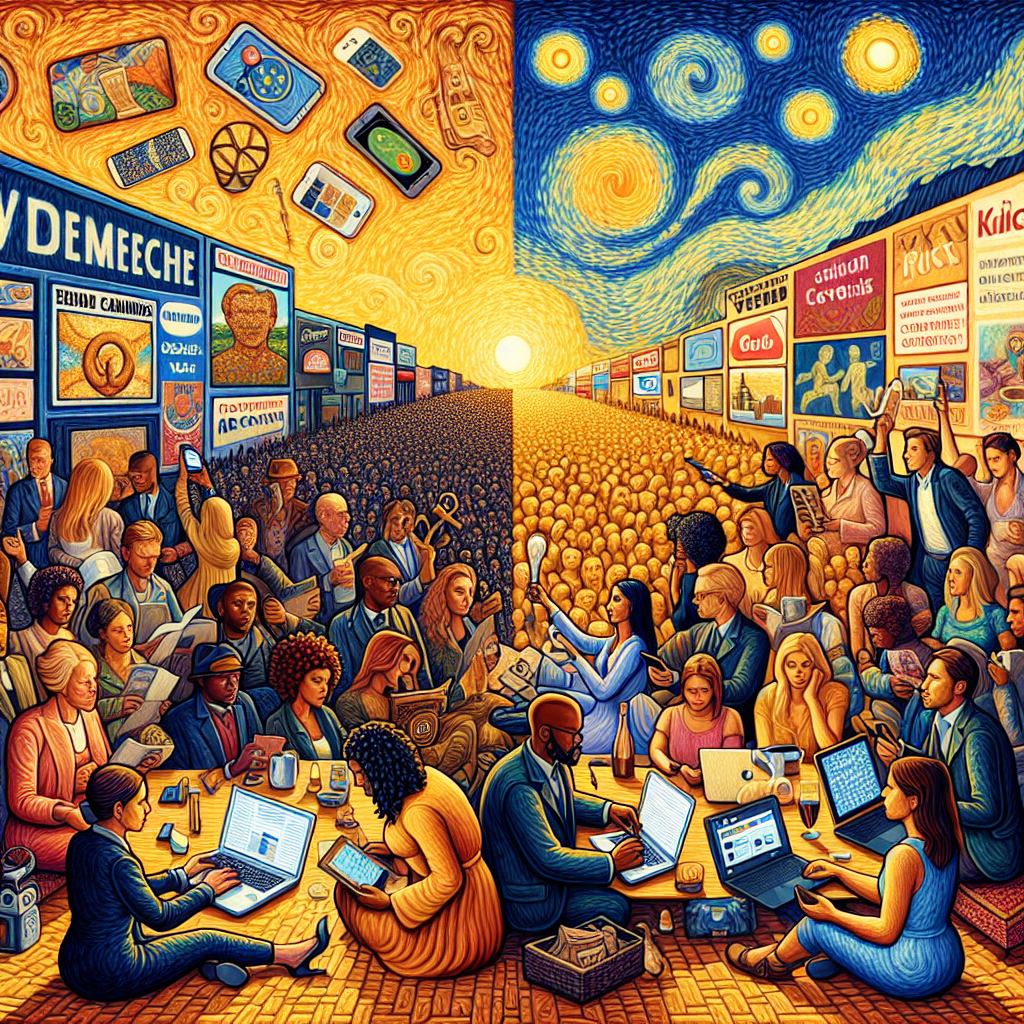
How Has Consumer Perception Changed?
What Role Does Social Media Play In Authenticity?
Let’s be honest – social media is a mixed bag. It can feel like a stage where everyone’s performing their best act, complete with carefully curated highlights that would make anyone’s life look like a Hollywood blockbuster. But beneath all that glitz, there’s a deeper undercurrent of desire for authenticity. We crave real connections, genuine stories, and a sense of community in a world that increasingly feels disconnected.
Imagine scrolling through your favorite website blog. You land on a post that really resonates with you. The author might be sharing their struggles, triumphs, or even mundane daily activities, punctuated by candid photos that capture moments with their kids or their dog barking at the mailman. In that simplicity, a light bulb goes off: this is real life. It’s messy. It’s honest. And it’s refreshing. That’s the magic of social media, my friends – it holds the power to break down barriers and showcase the raw human experience in all its glorious flaws.
But here’s the kicker: in a sea of influencers and endlessly shiny feeds, how do we sift through the noise to find authenticity? Well, it starts with the intention behind our posts. Are we looking to connect or just compile a photo album? When we choose to be vulnerable, sharing that we’ve had a rough day or that our last attempt at gourmet cooking went horribly wrong, we invite others to do the same. Vulnerability can create a ripple effect that fosters trust and builds a community based on shared experiences, rather than superficial likes and follows.
As you engage with the online world, consider your own journey into authenticity. Are you sharing your truth, or are you performing for the crowd? Are you curating moments, or are you documenting your genuine self? It’s a fine line, but when you step into authenticity, you’re not just cultivating a persona; you’re opening the door to real relationships and profound connections.
So, let’s take a collective breath and remember that while social media has its pitfalls, it can also serve as a powerful tool for connection if we’re willing to push away the veil of perfection. Dive in, share your stories, and embrace the beauty in the imperfect. In doing so, we just might create a space where authenticity flourishes, one post at a time.

What Role Does Social Media Play In Authenticity?
What Role Does Social Media Play In Authenticity?
- Social media presents a duality: showcasing curated highlights while hiding a longing for authenticity.
- People yearn for genuine connections and community amidst feelings of disconnection.
- Engaging with authentic content, like personal struggles and candid moments, reveals the beauty of real life.
- Authenticity in social media posts stems from the intention to connect rather than merely sharing polished images.
- Being vulnerable encourages others to share their own experiences, fostering trust and community.
- Reflect on your online presence: Are you being genuine or just performing for an audience?
- Embrace the imperfections of life, and by doing so, you contribute to a space where authenticity can thrive.

What Role Does Social Media Play In Authenticity?
Can Brands Maintain Authenticity In A Digital Age?
Step into the bustling digital marketplace, where every click and swipe feels like a choice between a thousand voices clamoring for your attention. It’s like being at a gigantic fair—colors, sounds, and lights everywhere, yet somehow, everything feels a bit the same. In a world where brand loyalty can shift faster than your Wi-Fi connection, the question arises: how can a brand stay true to its roots and maintain authenticity?
Let’s think about the last time a brand really grabbed you. I mean, the kind of experience that felt genuine, as if someone on the other end truly understood you. Perhaps it was a small business that shared photos of their farm or factory, inviting you behind the scenes to see how your favorite product comes to life. Or maybe it was a heartfelt post on their website blog, resonating with your beliefs or sparking a memory of simpler times. It’s these genuine connections that trigger trust—and trust is a rare commodity these days.
In the cacophony of the digital age, an unwavering commitment to authenticity opens the door to a powerful relationship between brand and consumer. Brands need to embrace transparency, not just in their products but also in their storytelling. When they share their journey, including the pitfalls and triumphs, they cultivate an environment where consumers feel less like mere numbers and more like valued members of a community.
But here’s the kicker: authenticity isn’t a one-time effort; it requires consistency. Consumers now have an innate ability to sniff out disingenuous behavior from a mile away. A flashy campaign that doesn’t align with a brand’s core values tarnishes that precious trust faster than you can say “viral ad.” That’s why staying true to your mission, values, and customers is crucial, even as you scale up your online presence.
So, what can brands do to ensure they maintain their authenticity? Start by prioritizing honest communication. Whether it’s through heartfelt responses on social media or insightful content on your website blog, foster a two-way conversation. Just like any relationship worth nurturing, authenticity requires openness. It’s about putting in the hard work to create connections that matter.
In a world saturated with choices, let’s remember that authenticity is the true differentiator. Brands that harness this power will not only stand out in the crowd but also inspire loyalty—one genuine connection at a time.

Can Brands Maintain Authenticity In A Digital Age?
Can Brands Maintain Authenticity In A Digital Age?
- The digital marketplace is crowded, making brand authenticity crucial for standing out.
- Genuine brand experiences can create trust and connection with consumers.
- Transparency in storytelling, including sharing both successes and challenges, fosters community.
- Consistency in authenticity is vital; consumers can easily detect insincerity.
- Brands should commit to honest communication and foster two-way conversations with customers.
- Authenticity differentiates brands in a saturated market and drives consumer loyalty.
- Building genuine connections takes hard work but can lead to lasting relationships with consumers.

Can Brands Maintain Authenticity In A Digital Age?
How Are Companies Measuring Authenticity Effectively?
In a marketplace flooded with flashy ads and perfectly curated social media feeds, the question of authenticity has never been more critical. Companies are waking up to the fact that being genuine isn’t just a catchy slogan; it’s a foundational aspect of building trust with customers. Authenticity isn’t something that can be forged—it has to be lived and breathed. So, how are companies measuring this elusive quality? Let’s unpack it.
First, let’s talk about transparency. A company’s Website Blog is often the first point of contact for potential customers. It’s here that brands can open their doors and show what lies behind the curtain. They should share not just successes but real stories of challenges and setbacks. People connect with authenticity when they can see the human side of a business. By being honest about their journey, companies create a dialogue that invites customers in rather than pushing them away.
Next up, feedback has become a cornerstone for assessing authenticity. Companies are actively engaging with customers, asking for their thoughts and opinions. This is more than just a box-checking exercise; it’s a genuine effort to understand how they’re perceived in the marketplace. How are products received? Are consumers sharing their honest experiences online? Listening to customer voices isn’t just smart; it’s essential. Companies are using tools to analyze online reviews, social media comments, and customer surveys to gauge the authenticity of their brand messaging.
But that’s not all. Engagement metrics are another way businesses can measure authenticity. It’s about digging deeper than just ‘likes’ or ‘shares.’ Are people genuinely engaging with the content? Are they commenting in a way that shows they value what the company has to say? This kind of engagement reveals whether a brand’s message resonates or falls flat.
Finally, companies are increasingly relying on storytelling. When they share authentic narratives—stories of inspiration, trials, and triumph—they create connections that are real and relatable. Effective storytelling captivates customers’ hearts and drives loyalty. In a world yearning for genuine interaction, these stories become a company’s most powerful asset.
In this era of skepticism, measuring authenticity isn’t just about metrics—it’s about relationships. Trust is earned, and it grows over time through honesty and real engagement. So, the next time you connect with a brand, look beyond the surface. Dive into their stories, engage with their content, and see if the authenticity shines through. You just might find a partnership that feels almost like family.

How Are Companies Measuring Authenticity Effectively?
How Are Companies Measuring Authenticity Effectively?
- Authenticity is crucial in building trust with customers in a crowded marketplace.
- Companies should prioritize transparency by sharing both successes and challenges on their blogs.
- Feedback from customers plays a key role in assessing a brand’s authenticity.
- Engagement metrics go beyond likes and shares, focusing on meaningful interactions with content.
- Storytelling fosters genuine connections and drives customer loyalty through relatable narratives.
- Measuring authenticity is about building relationships, not just relying on metrics.
- Encouraging deeper customer engagement can reveal a brand’s true authenticity.

How Are Companies Measuring Authenticity Effectively?
What Examples Showcase Brands Failing Authenticity?
In a world where consumers crave authenticity, there are brands that seem hell-bent on missing the mark. It’s like watching a bad reality show—cringe-worthy moments that make you wonder, “What were they thinking?” You know the ones. The brands that oversell their story, only to deliver a hollow experience. Let’s dive into a couple of examples that really highlight this issue, shall we?
Take a look at a well-known snack company. They positioned themselves as champions of health and wellness with a sparkling Website Blog touting their commitment to using only the finest organic ingredients. Everyone on social media applauds them, right? But behind the curtain, they still rely heavily on artificial flavors and preservatives. It’s like claiming to be a marathon runner while secretly enjoying your time on the couch with a bag of chips. Consumers feel betrayed when they discover the truth, leading to an unsettling distrust that’s hard to shake off.
Or consider a leading fashion brand that built its empire on the foundation of “sustainable luxury.” Their ads feature models prancing through fields of wildflowers, exuding an aura of a fresh, environmentally-conscious lifestyle. Yet, just a few clicks on the Web, and you find out they’re still manufacturing in factories with dubious labor practices. You can almost hear the collective groan of disappointment from consumers who genuinely wanted to support a brand that stood for something positive. Instead, it feels like they bought a ticket to a concert, only to find out the band lip-syncs.
But it’s not all doom and gloom; these lessons pave the way for brands to reset their course. Transparency takes time, but it’s non-negotiable for forging real connections with consumers. When a brand owns its story, flaws and all, it invites trust. That’s where the real magic happens. By acknowledging past missteps, companies not only regain consumers’ faith but inspire a sense of shared journey.
So, if you’re steering a brand or just a consumer fed up with the façade, remember: authenticity isn’t just a buzzword; it’s the glue that holds a brand’s reputation together. And while some brands stumble, those that dare to keep it real will always find a place in the hearts of those they serve. So, let’s embrace the messy, the honest, and the genuine—because that’s where connection thrives.

What Examples Showcase Brands Failing Authenticity?
What Examples Showcase Brands Failing Authenticity?
- Brands are increasingly failing to meet consumer demands for authenticity, reminiscent of cringe-worthy reality shows.
- A well-known snack company claims to prioritize health and wellness but still relies on artificial ingredients, leading to consumer betrayal.
- A leading fashion brand promotes “sustainable luxury” but manufactures in factories with poor labor practices, disappointing ethical consumers.
- Consumer trust erodes when brands oversell their stories without delivering genuine experiences.
- Brands can rebuild trust by embracing transparency and owning their narratives, flaws included.
- Recognizing past mistakes enables brands to inspire a sense of shared journey among consumers.
- Authenticity is crucial for a brand’s reputation, fostering genuine connections with consumers.

What Examples Showcase Brands Failing Authenticity?
How Do Cultural Shifts Impact Marketing Authenticity?
Let’s pull back the curtain and take a stroll through the ever-changing landscape of culture, shall we? It’s a bit like watching an old barn get a fresh coat of paint—each brushstroke signifies a transformation we didn’t even realize we needed. Now, how does this colorful metamorphosis affect marketing authenticity? Well, in a world where trends can turn on a dime, companies must navigate these cultural currents with caution and creativity.
Think about it: yesterday’s viral meme can fizzle out faster than lukewarm coffee. Just when you think you’ve nailed the zeitgeist, it shifts beneath your feet like a loose floorboard. That’s where authenticity comes in. In a marketplace flooded with polished pitches and flashy campaigns, consumers crave genuine connection. They want to know there’s a beating heart behind the brand. The face of marketing, whether it’s on a WebsiteBlog or an Instagram post, must resonate with real-life experiences and sentiments.
Imagine a company trying to sell you the latest gadget with all the pomp of a carnival barker, while all you really care about is whether it fits snugly into your lifestyle. If the message feels forced or disconnected from the current cultural narrative, it’s an instant ticket to the “Scrolled Right Past” file in our minds. Sincerity in marketing isn’t just a nice-to-have; it’s a must-have.
As values shift—whether that’s a newfound emphasis on sustainability, inclusion, or social justice—brands that stay true to their core philosophy while also adapting their messaging will strike the right chord. A marketing campaign rooted in authenticity speaks volumes, effortlessly bridging gaps between what you sell and who you serve.
So, what’s the takeaway? Embrace the change, and don’t shy away from letting your brand grow alongside it. Take a good hard look at your marketing strategies and consider if they truly reflect the values of the moment. Whether you’re updating your WebsiteBlog or brainstorming your next big campaign, ask yourself: Does this resonate? If the answer is no, it’s time to roll up your sleeves and get to work. Authenticity isn’t just a buzzword; it’s the foundation for success in an ever-evolving world. So, let’s dig in and ensure your marketing voice is as genuine as the products you offer.

How Do Cultural Shifts Impact Marketing Authenticity?
How Do Cultural Shifts Impact Marketing Authenticity?
- Culture continually evolves, prompting necessary transformations in marketing strategies.
- Companies must adapt with creativity to navigate quickly changing trends and cultural currents.
- Authenticity is crucial for brands as consumers seek genuine connections in a saturated marketplace.
- Disconnection from cultural narratives can lead to consumer indifference, making sincerity essential.
- Brands that maintain core values while adapting messaging to reflect current societal shifts will resonate better.
- Successful marketing campaigns should bridge the gap between products and consumers’ real-life experiences.
- Regularly assess marketing strategies for authenticity to ensure alignment with contemporary values and insights.

How Do Cultural Shifts Impact Marketing Authenticity?
Conclusion
As we gear up to the new frontier of 2025, we find ourselves confronting a critical question: Can the marketing term ‘authenticity’ not only survive but thrive? Let’s take a step back and think about it. Picture yourself in that cozy, local diner, surrounded by the unmistakable aroma of homemade pies and the laughter of familiar faces. In that moment, authenticity feels genuine—a contrast to the often staged, formulaic world of advertising. Too often, brands trot out lofty promises wrapped in glossy packaging, leaving consumers scratching their heads in skepticism. But here’s the deal: authenticity in marketing has morphed from a warm sentiment into an essential currency of trust.
In our rapidly evolving marketplace, consumer expectations are no longer just low—they’re laser-focused. Today’s consumers are empowered, armed with a wealth of information and keen instincts for sniffing out disingenuous claims. Social media has become a double-edged sword; it can either dilute truth or amplify real connections, depending on how brands choose to engage. Companies must recognize that authenticity is a continual commitment, not a one-off marketing exercise. They have to cultivate transparent relationships with their audience, sharing behind-the-scenes stories and inviting consumers into their brand’s narrative.
But let’s flip the script for a moment. It’s not solely on brands to deliver; consumers bear responsibility too. We need to demand authenticity—seeking out businesses that are willing to walk the walk and engage honestly with us. It’s a partnership, folks. This calls for a discerning eye. When we engage with brands that resonate with our values—those that foster communities rather than hollow transactions—we elevate the game for everyone involved.
As we race toward 2025, the battle for authenticity will undoubtedly intensify. Brands that embrace the messy, complex reality of their journeys—and hold themselves accountable—will not only stand out but thrive. Meanwhile, those that cling to outdated gimmicks risk fading into the abyss of irrelevant noise.
In essence, the future of authenticity is in our hands. If we want it to be a guiding principle in marketing, we must be vocal advocates for it. We have the power to usher in a new era of advertising grounded in honesty, transparency, and genuine human connection. So, let’s double down on authenticity, and in doing so, we make the marketplace a better place for everyone. After all, it’s the heartfelt, unvarnished truth that keeps us coming back for more—whether in a diner or a digital landscape.

Conclusion
Conclusion:
- The marketing term ‘authenticity‘ is evolving and must be prioritized by brands as we approach 2025.
- Authenticity contrasts with traditional advertising, where promises often feel staged and untrustworthy.
- Today’s consumers are empowered and can easily detect disingenuous marketing claims.
- Social media can either undermine or enhance authenticity, depending on brand engagement.
- Brands need to foster transparent relationships and share authentic narratives with their audiences.
- Consumers also play a role by demanding authenticity and supporting brands that align with their values.
- The future of authenticity depends on collective effort; genuine connections can transform the marketplace.

Conclusion
Other Resources

Other Resources
Here is a list of other resources you can review online to learn more:
- Teachablemachine.withgoogle.com
- Hasty.ai
- logoai.com
- Elai.io
- Watermarkremover.io
- Brain.fm
- Pinegraph.com
- Verbit
- Marketingblocks.ai
- Rokoko.com
Use This Prompt To Get More Resources With Your Favorite Online AI Tool: Please provide me with a list of online articles with their URLs in a bulleted list that I can read regarding Can The Marketing Term Authenticity Survive 2025?

Other Resources
Glossary Terms
Can The Marketing Term Authenticity Survive 2025? – Glossary Of Terms
1. Authenticity: The quality of being genuine and real; in marketing, it refers to brands being true to their values and transparent in communication.
2. Consumer Trust: Confidence that consumers have in a brand, often built through consistent and authentic messaging.
3. Transparency: The practice of openly sharing information with consumers, promoting honesty and accountability in business operations.
4. Brand Values: The core principles or beliefs that guide a brand’s actions and messaging, critical for establishing authenticity.
5. Influencer Marketing: Collaborating with individuals who have a significant following to endorse products, where authenticity can be a key factor in effectiveness.
6. Sustainability: The commitment to eco-friendly practices that are increasingly expected by consumers and tied to brand authenticity.
7. Ethical Marketing: Strategies that prioritize the welfare of consumers and society, reinforcing a brand’s authenticity.
8. Brand Persona: The identity and character that brands project to their audience; authenticity enhances relatability.
9. Community Engagement: Actively involving consumers in brand conversations, fostering a sense of belonging and loyalty through authenticity.
10. User-Generated Content: Content created by consumers that showcases their genuine experiences with a brand, often seen as more authentic than traditional advertising.
11. Social Proof: The influence that the actions and endorsements of others have on an individual’s behavior, often tied to authentic brand interactions.
12. Cultural Relevance: A brand’s ability to connect with current societal values and trends, vital for maintaining authenticity in a diverse market.
13. Personalization: Tailoring marketing messages to individual consumers, which can enhance the feeling of authenticity.
14. Feedback Loops: Cycles through which consumer feedback influences brand strategies, helping brands remain authentic and responsive.
15. Digital Transformation: The integration of digital technology in all areas of business, impacting how brands create and maintain authenticity.
16. Brand Storytelling: The art of conveying a brand’s narrative in a compelling way; authentic stories resonate more deeply with consumers.
17. Emotional Branding: The practice of connecting with consumers on an emotional level, emphasizing authentic experiences over features.
18. Postmodern Marketing: An approach that questions traditional marketing norms, often focusing on authenticity in a fragmented media landscape.
19. Brand Loyalty: The tendency of consumers to repeatedly purchase from a brand, often driven by perceived authenticity.
20. Corporate Social Responsibility (CSR): Initiatives that demonstrate a company’s commitment to social or environmental causes, enhancing its authenticity.
21. Digital Ethics: The principles guiding online marketing practices, including authenticity and the fair treatment of consumers.
22. Marketplace Valuation: The worth of a brand in a market, often influenced by its perceived authenticity and consumer trust.
23. Brand Differentiation: The process of distinguishing a brand from its competitors, where authenticity can serve as a key differentiator.
24. Trust Signals: Indicators that help establish credibility with consumers, such as certifications or positive reviews, essential for authenticity.
25. Nostalgia Marketing: Leveraging fond memories or sentiments in marketing; can create a sense of authenticity when done thoughtfully.
26. Millennial Values: The principles that guide millennial consumers, including a preference for authenticity and ethical behavior.
27. Authenticity Paradox: The challenge brands face in being genuinely authentic while maintaining a polished public image.
28. Dynamic Authenticity: The evolving nature of authenticity as consumer expectations and values shift over time.
29. Disruptive Innovation: Innovations that radically change market dynamics; brands leveraging authenticity can better navigate disruptions.
30. Omni-Channel Marketing: A unified approach to marketing across multiple channels, where consistent and authentic messaging is crucial for success.

Glossary Of Terms
Other Questions
Can The Marketing Term Authenticity Survive 2025? – Other Questions
If you wish to explore and discover more, consider looking for answers to these questions:
- What specific examples illustrate successful authenticity in marketing?
- How can brands effectively communicate their values to consumers?
- What strategies can consumers use to identify authentic brands?
- How will emerging technologies, like AI, affect marketing authenticity?
- What are the potential risks for brands that fail to maintain authenticity?
- How can small businesses compete with larger brands on authenticity?
- What role do influencers play in shaping perceptions of authenticity?
- How can brands recover from a loss of consumer trust?
- What are the long-term implications of authenticity in marketing?
- How is cultural authenticity defined and measured?

Other Questions
Haiku
Can The Marketing Term Authenticity Survive 2025? – A Haiku
Authentic brands thrive,
In honesty’s warm embrace—
Connections, not sales.

Haiku
Poem
Can The Marketing Term Authenticity Survive 2025? – A Poem
In the diner’s warmth, a tale unfolds,
Of memories and moments, both cherished and bold.
Yet as we journey toward twenty-two-five,
The buzz of authenticity struggles to thrive.
Once a beacon in marketing’s gleam,
Now dressed up in gloss, lost in the dream.
Brands shout their truths, yet shadows remain,
With hollow promises veiled in disdain.
Consumers have sharpened their senses anew,
Seeking connection, wanting the true.
Gone are the days of slick, hollow charms,
We yearn for the warmth found in honest arms.
Social media’s stage, a mixed bag of flair,
Can mask the real, but also lays bare.
Moments imperfect, with laughter and tears,
Can build up a bond that transcends all our fears.
Brands must align with their roots, stand sincere,
Show the work behind wins, make their mission clear.
For trust is a treasure that must be earned,
Through authentic connections, where bridges are burned.
Cultural shifts sway like leaves in the breeze,
Demanding brands adapt, adjust with such ease.
As values transform and the world spins round,
Sincerity’s power must always be found.
So let’s cheer those who dare to be real,
Embrace their journeys, the truths that they feel.
In passion and purpose, let authenticity shine,
For in heartfelt connections, the genuine define.

Poem
Checklist
Can The Marketing Term Authenticity Survive 2025? – A Checklist
1. Reflect on Core Values
_____ Identify and articulate the brand’s core values.
_____ Ensure all messaging aligns with these values.
2. Engage with Transparency
_____ Share not just successes but also challenges and setbacks.
_____ Provide insight into product sourcing and company practices.
3. Foster Two-Way Communication
_____ Encourage feedback from customers through surveys and social media.
_____ Actively respond to customer inquiries and concerns.
4. Utilize Storytelling
_____ Share genuine narratives that resonate with your audience.
_____ Highlight personal stories from employees or customers.
5. Prioritize Honest Content
_____ Move away from overly polished and curated content.
_____ Use authentic images and testimonials that reflect real experiences.
6. Encourage Vulnerability
_____ Share both triumphs and failures to humanize your brand.
_____ Create a culture where sharing struggles is seen as a strength.
7. Monitor Engagement Metrics
_____ Track engagement beyond likes and shares (e. g. , comments, shares of genuine experiences).
_____ Analyze customer feedback to gauge your authenticity.
8. Stay Informed on Cultural Trends
_____ Keep an eye on cultural shifts that may affect consumer expectations.
_____ Adjust marketing strategies to remain relevant and relatable.
9. Build Community Connections
_____ Support local initiatives and charities that align with your brand’s values.
_____ Encourage community feedback and participation.
10. Be Consistent
_____ Avoid one-off campaigns that contradict brand values.
_____ Commit to maintaining authenticity over time, not just when it’s convenient.
Conclusion
By following this checklist, brands can help ensure that they remain grounded in authenticity, fostering trust and loyalty in an increasingly discerning marketplace. Use this as a guide to evaluate and enhance your marketing strategies leading into 2025 and beyond!

Checklist
At WebsiteBloggers, we help website bloggers develop strategies to create content, traffic, and revenue from website blogs based on our experiences and experimentation.
Be sure to read our other related stories at WebsiteBloggers and share this article with your friends, family, or business associates who run website blogs.