
Unlocking The Millennial Mindset On Short Videos
By Tom Seest
At WebsiteBloggers, we help website bloggers develop strategies to create content, traffic, and revenue from website blogs based on our experiences and experimentation.
Be sure to read our other related stories at WebsiteBloggers and share this article with your friends, family, or business associates who run website blogs.
How Do Millenials Respond to and Engage with Short-Form Videos?
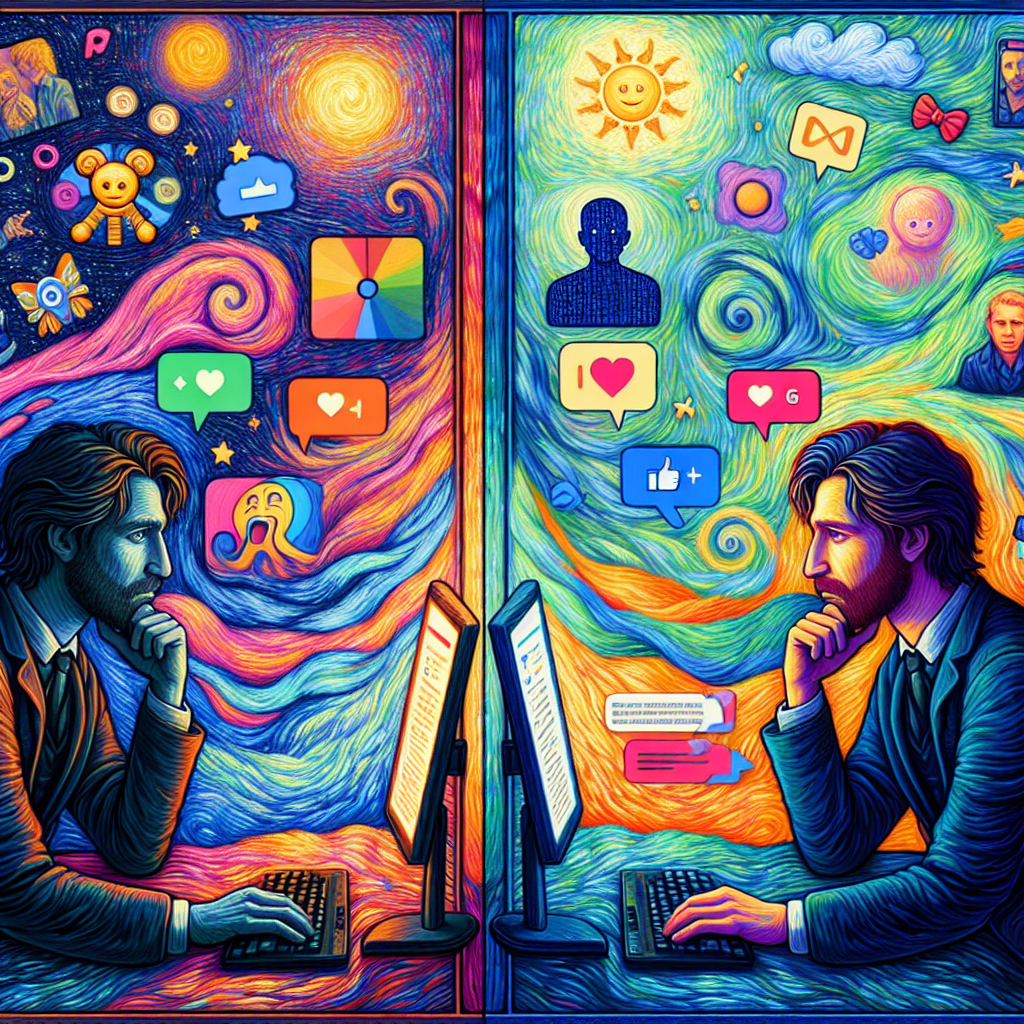
In a digital landscape saturated with content, short-form videos have become the bread and butter of online engagement, especially for millennials. This generation, often characterized by their affinity for quick bites of information, has embraced platforms like TikTok and Instagram Reels with open arms. These snippets of visual storytelling tap into our innate desire for spontaneity and entertainment, delivering humor, insights, and fleeting moments of creativity—all within the span of a couple of minutes, or sometimes just a few seconds.
What’s truly fascinating about millennials is their unique approach to consumption. Unlike previous generations that might have settled into longer formats, we’ve developed a palate for brevity. The appeal here lies not just in the content itself, but in the dynamic nature of these videos. A short-form video can spark joy, provoke thought, or even inspire action—all while fitting neatly into a coffee break or a commute on public transport.
Moreover, the engagement doesn’t stop at watching these clips. Millennials are not just passive viewers; they’re active participants. They like, comment, share, and create. This generation thrives in a culture of collaboration and participation, making videos not just a solitary experience but a communal event. Whether it’s crafting a viral dance move or responding to a challenge, millennials find ways to merge their personal identities with the trends offered on these platforms.
An essential element in this engagement is the authenticity of the content. Millennials are savvy enough to differentiate between glitzy, polished media and raw, relatable footage. They tend to gravitate towards creators who showcase genuine moments rather than curated perfection. This inclination toward authenticity fosters a sense of connection, prompting viewers to engage with content that resonates on a personal level.
It’s also worth noting that short-form videos transcend categories and interests. From DIY hacks to political commentary, the variety is staggering, appealing to a wide array of personal tastes and values. It’s like picking from a buffet where you can sample everything without committing to an entire dish. This versatility ensures that there’s something for everyone, making engagement feel less like work and more like play.
In essence, the way millennials respond to and engage with short-form videos reflects a broader cultural shift—a shift towards immediacy, connection, and authenticity. It’s a world where every swipe, tap, and share carries the potential for influence and impact, enriching the dialogue and interaction that defines our digital reality.
How Do Millenials Respond to and Engage with Short-Form Videos?
How Do Millenials Respond to and Engage with Short-Form Videos?
- Short-form videos are central to online engagement for millennials, who prefer quick and concise content.
- Platforms like TikTok and Instagram Reels cater to millennials’ desire for spontaneity, humor, and creativity.
- This generation favors brevity over longer formats, enjoying videos that fit easily into their daily routines.
- Millennials actively engage with short-form videos by liking, commenting, sharing, and creating content.
- Authenticity is crucial; they prefer genuine, relatable footage over polished, curated media.
- The variety of content available in short-form videos appeals to diverse interests, enhancing engagement.
- The response to short-form videos reflects a cultural shift towards immediacy, connection, and authenticity in digital interactions.

How Do Millenials Respond to and Engage with Short-Form Videos?
Table Of Contents
- How Do Millenials Respond to and Engage with Short-Form Videos?
- What Attracts Millennials To Short-Form Videos?
- How Do Trends Influence Their Engagement?
- Do Millennial Preferences Vary By Platform?
- How Do Emotions Affect Their Video Sharing Habits?
- What Role Does Authenticity Play In Their Interactions?
- How Does Humor Impact Millennial Viewership?
- Are There Specific Demographics Within Millennials That Differ?
- Conclusion
- Other Resources
- Glossary Of Terms
- Other Questions
- Haiku
- Poem
- Checklist
What Attracts Millennials To Short-Form Videos?
In a world where attention spans have become as fleeting as a sneeze on a windy day, it’s no surprise that Millennials are flocking to short-form videos like bees to a blooming flower. These bite-sized visual stories aren’t just a passing fad—they’re a cultural phenomenon that speaks to the very marrow of modern life. While some might dismiss them as mindless distractions, there’s a deeper current at play that explains their appeal.
First off, let’s talk accessibility. With apps and platforms practically bursting at the seams with content, Millennials have a treasure trove of options at their fingertips. Whether they’re scrolling through their favorite social media feeds or browsing a creative website blog, the variety is staggering. You ever try to find inspiration in a long-winded article that meanders like a lazy stream? It can be a chore. Short-form videos, in contrast, are like a shot of espresso—quick, invigorating, and ready to deliver information and entertainment without the baggage.
Another appealing factor is the sense of community these videos foster. A Millennial can easily connect with creators, responding to content in real-time and sharing laughs or opinions. There’s this infectious energy to the whole experience—like a communal bonfire where everyone’s sharing stories, except now it’s happening in your pocket. That interactive nature transforms viewers into participants, making them feel part of something bigger than themselves.
Let’s not forget the power of creativity. These short snippets often serve as playgrounds for innovation, where talented individuals distill their ideas into concise nuggets of inspiration. The result? Pure entertainment. Many Millennials appreciate the artistry involved in creating compelling content with just a few seconds to make an impression. It’s a true testament to the saying, “less is more.”
Lastly, the pacing of modern life contributes to this trend. With schedules packed tighter than a can of sardines, anyone can understand the appeal of content that gets to the point quicker than a New York minute. Short-form videos fit neatly into a lunch break or a waiting room, allowing for some quality distraction without demanding an entire afternoon.
So, as we stand on the brink of this digital revolution, it’s clear that short-form videos aren’t merely a trend—their allure is woven into the fabric of Millennial life. They access it, delight in it, and ultimately shape it, ensuring that the medium will continue to thrive and evolve.

What Attracts Millennials To Short-Form Videos?
What Attracts Millennials To Short-Form Videos?
- Millennials are drawn to short-form videos, which have become a significant cultural phenomenon.
- The accessibility of various apps and platforms provides Millennials with an abundance of short video content.
- Short-form videos offer a quick and engaging alternative to long-winded articles, making information and entertainment easily consumable.
- These videos foster a sense of community, allowing viewers to interact with creators and participate in the content experience.
- The creative aspect of short-form videos encourages innovation, showcasing the artistry involved in concise storytelling.
- Modern life’s fast pace drives a preference for content that conveys messages quickly without demanding much time.
- Short-form videos are integral to Millennial life, influencing their entertainment choices and social interactions.

What Attracts Millennials To Short-Form Videos?
How Do Trends Influence Their Engagement?
When diving into the world of online engagement, one must consider the inevitable ebb and flow of trends. Trends are like the tides of the ocean; they rise, they fall, and they have a significant impact on how people connect with content. Take a moment to think about the average Website Blog: it serves as a platform for sharing information, insights, and opinions, but without tapping into the current trends, it risks floating aimlessly on the vast sea of the internet.
Trends provide a pulse, a heartbeat that signifies what’s resonating with audiences right now. When a Blog embraces these trends, it doesn’t just keep its head above water; it creates ripples that engage readers who are eager to catch up on what’s hot. Think about it: when a new story goes viral, people flock to blogs for commentary, analysis, and opinions. If a website aligns its content with that trend, it becomes a go-to resource, thereby maximizing engagement.
But here’s the kicker: it’s not just about riding the trend wave. There’s a delicate balance to strike. You want to engage your audience without coming off as trying too hard or, heaven forbid, clueless. Take a genuine interest in what’s buzzing—whether it’s a viral challenge on social media or an emerging discussion on sustainability. Engage with it in a way that feels authentic to your voice and mission. This authenticity resonates deeply with readers, making them feel like they are part of a dynamic conversation rather than simply consuming information.
Now, let’s not forget that trends can be short-lived. While they serve a purpose for instant engagement, they can just as quickly fade away, leaving a blog adrift if it doesn’t pivot accordingly. If a Website Blog: relies too heavily on fleeting fads without cultivating a core identity, it risks losing loyal followers who crave substance over style.
So, what’s the takeaway? Understanding trends gives blogs the opportunity to enhance engagement, but successful navigation requires a keen sense of timing and an unwavering commitment to authenticity. Your audience is savvy—they can sniff out insincerity from a mile away. Stay adaptable, stay true, and you’ll ride the waves of trends while fostering long-lasting connections that keep readers coming back for more.

How Do Trends Influence Their Engagement?
How Do Trends Influence Their Engagement?
- Trends in online engagement resemble ocean tides, significantly affecting content connection.
- Blogs must leverage current trends to avoid being lost in the vast sea of the internet.
- Embracing trends helps blogs create engagement and become reliable resources for readers.
- Authenticity is key; engaging with trends should reflect the blog’s genuine voice.
- Balance is crucial; overemphasizing trends can lead to being perceived as insincere.
- Trends can be fleeting; a blog must have a core identity to retain loyal followers.
- Successful trend navigation requires timing and a commitment to authenticity for lasting reader connections.

How Do Trends Influence Their Engagement?
Do Millennial Preferences Vary By Platform?
When it comes to the digital landscape, you might be surprised to find that the preferences of millennials aren’t as uniform as many like to believe. Just like a well-brewed cup of coffee, their tastes vary based on the platform they’re engaging with. It’s not just a matter of what they like; it’s about where they like to find it. And trust me, understanding these nuances can make all the difference.
Take for instance the humble Website. This is where millennials often go for in-depth information. They appreciate a well-structured site that serves up quality content without a side of distractions. When they’re searching for answers—be it recipes, how-to guides, or product reviews—they’re likely to gravitate toward a blog that speaks to them. That’s right—a Blog can be a treasure trove of insights and tips, especially if it’s written in a relatable voice. But here’s the kicker: the appearance and functionality of that website matter a great deal. Millennials have been raised on sleek designs and user-friendly interfaces, so if your site feels like a relic from the dial-up era, you might as well be shouting into the void.
Now, shift gears to social media platforms. Instagram, TikTok, and Twitter—all are arenas of quick hits and snappy content. Here, millennials are less inclined to dive into lengthy articles or convoluted narratives. Instead, they crave bite-sized pieces of information that cater to their increasingly short attention spans. A beautifully curated Instagram post or an engaging TikTok video can convey what a Blog might take paragraphs to explain. It’s all about aesthetics and brevity in these spaces.
But don’t count out the Website just yet! Even amid the fast-paced chaos of social media, millennials still value authenticity and depth. They may flutter between platforms, but when they’re looking for real substance, they know where to land. That’s why a well-written Blog can still capture attention, especially if it ties into trending topics or current events.
Ultimately, the preferences of millennials do vary by platform. They’re not just looking for a one-size-fits-all experience. Instead, they seek quality and relevance, whether hunting for insights on a Website or scrolling through a visually stunning Blog post. Understanding where and how to connect with them is key, and it’s a wild ride worth navigating.

Do Millennial Preferences Vary By Platform?
Do Millennial Preferences Vary By Platform?
- Millennials’ digital preferences vary by platform, challenging the notion of uniformity.
- Websites are favored for in-depth information and quality content; aesthetics are crucial.
- Blogs can provide relatable insights and tips, appealing to millennials seeking guidance.
- User-friendly design is essential; outdated websites are less likely to attract millennials.
- On social media, platforms like Instagram and TikTok cater to short attention spans with quick, engaging content.
- Despite the popularity of social media, millennials value authenticity and depth, often returning to blogs for substantial content.
- Understanding the nuances of millennial preferences across platforms is vital for effective engagement.

Do Millennial Preferences Vary By Platform?
How Do Emotions Affect Their Video Sharing Habits?
In today’s fast-paced digital world, people aren’t just sharing videos; they’re sharing pieces of their lives—fragments of joy, angst, and everything in between. It’s no surprise that emotions play a critical role in these video-sharing habits. You see, emotions aren’t just fleeting feelings; they’re the driving force behind the content we choose to create and share. The way we engage with a Website Blog can reveal a lot about our emotional state.
Consider the excitement of a joyous moment. When someone captures their child’s first steps or celebrates a milestone, that rush of happiness compels them to share it online. The reason? Humans are social creatures, desperate for connection and validation. By sharing these poignant experiences, they seek not only to relive that joy but to spread it like wildfire across social media. The comment sections become vibrant celebrations, filled with congratulatory remarks that amplify the original emotion—a kind of digital high five.
Conversely, let’s delve into the murkier waters of desperation and despair. Many individuals turn to video sharing during tough times, whether it involves venting frustrations over a breakup or processing a loss. The cathartic act of creating a video serves as both an emotional release and a call for empathy. When they post these raw, vulnerable moments on a Website Blog or social media platform, it’s a candid invitation for others to resonate with their pain. The comments may shift from simple sympathy to a robust exchange of shared experiences, transforming the individual’s sorrow into a collective understanding.
Moreover, the emotional landscape doesn’t end there. Anger, happiness, sadness, and humor all intertwine, influencing what people decide to share. A funny clip or a heartfelt tribute can garner attention because they elicit strong emotional reactions. Videos that trigger laughter or nostalgia can spark trending topics and viral sensations overnight. It’s as if emotions have become the currency of the digital age, driving engagement and interaction among viewers and creators alike.
The impact of emotions on video-sharing habits is undeniable. When people open their hearts—be it through laughter, tears, or outrage—their videos transcend the screen, forging connections that are as real as the emotions themselves. Whether it’s a tearful farewell, an amusing anecdote, or a hopeful message, each share becomes part of a larger narrative that binds us together in this ever-evolving digital landscape.

How Do Emotions Affect Their Video Sharing Habits?
How Do Emotions Affect Their Video Sharing Habits?
- Video sharing goes beyond entertainment, capturing various human emotions like joy and despair.
- Emotions significantly influence the type of content individuals create and share online.
- Joyous moments, like celebrating milestones, prompt people to share in search of connection and validation.
- Sharing vulnerable experiences, such as heartbreak, serves as both emotional release and a call for empathy.
- Different emotions—anger, happiness, sadness, and humor—impact decisions on what videos to share.
- Engaging and emotional videos can lead to trending topics and viral sensations on social media.
- Emotions serve as a powerful currency in the digital age, fostering real connections through shared experiences.

How Do Emotions Affect Their Video Sharing Habits?
What Role Does Authenticity Play In Their Interactions?
In a world where we’re inundated with surface-level connections, the importance of authenticity can’t be overstated. When folks engage with each other—be it on a personal level or through a broader medium like a website blog—the genuine nature of that interaction can make all the difference. It’s like the old saying goes: people can sniff out phoniness faster than a raccoon at a garbage can. When we talk about authenticity, we’re diving deep into the realm of “realness.” It’s about laying aside the mask we often wear and showing up just as we are, warts and all.
Now, think about it for a moment. When you log onto a website blog and see polished, perfectly curated content, do you feel a connection? Or does it feel like a neatly packaged product designed to sell you something? Authentic interactions, on the other hand, invite a different kind of engagement. They create a space where vulnerability and honesty thrive, allowing connections to flourish.
Take, for instance, that moment when someone shares a personal story, laden with struggles and triumphs. It’s raw, it’s real, and suddenly, the words resonate. You realize you’re not alone in your own experiences, and that’s powerful. You start to see the person behind the words as a fellow traveler on the rough road of life. Authenticity invites empathy, creates unity, and encourages dialogue that surpasses the superficial, painting deeper strokes across the canvas of human interaction.
In casual conversations, people often gravitate toward those who are unabashedly themselves. They appreciate the candor, the earnestness, and, most importantly, the absence of pretense. Whether sharing a laugh over a misadventure or leaning in during a moment of vulnerability, authenticity fosters trust. It builds bridges rather than walls.
When it comes to creating content—be it a personal blog or a more professional website—embracing authenticity proves vital. Readers tune in not just to glean information but to connect with a voice that feels familiar. They want assurance that there’s a real individual behind those words, navigating similar waters, facing the same storms. This relational depth transforms mere words on a screen into meaningful dialogue and communities grounded in shared experiences and mutual respect. It’s authenticity that resonates, bringing us together in ways that superficiality simply can’t.

What Role Does Authenticity Play In Their Interactions?
What Role Does Authenticity Play In Their Interactions?
- The significance of authenticity in a world full of surface-level connections is profoundly important.
- Genuine interactions can create deeper connections, contrasting with polished, curated content that feels transactional.
- Sharing personal stories fosters a sense of empathy and belonging, reinforcing the idea that we are not alone in our struggles.
- Authenticity encourages honest dialogue and unity, enriching human interactions beyond the superficial.
- People tend to gravitate towards those who are genuine, valuing candor and the absence of pretense.
- Creating authentic content is crucial for engaging readers, as they seek a relatable voice behind the words.
- Authenticity transforms communication into meaningful connections, creating communities based on shared experiences.

What Role Does Authenticity Play In Their Interactions?
How Does Humor Impact Millennial Viewership?
In today’s digital landscape, where content is king and attention spans are shorter than ever, humor serves as a vital tool in capturing and retaining the millennial audience. You see, millennials have a unique approach to media consumption; they don’t just want information—they crave entertainment. This is where humor steps in, transforming mundane content into something engaging and memorable.
Consider the average millennial scrolling through their social media feeds. They’re bombarded by an endless stream of posts, videos, and articles. What’s going to make them stop and take notice? Humor. It’s the universal language that cuts through the noise, appealing to that shared experience we all have—being human. When brands and content creators inject wit into their messaging, they manage to forge a connection that goes deeper than just marketing.
Humor can take many forms, from clever wordplay to absurdist sketches, but the key is authenticity. Millennials are a savvy bunch; they can spot insincerity from a mile away. Content that tries too hard to be funny often falls flat. Instead, the most successful humor resonates because it reflects real-life experiences, pain points, and the general absurdities of daily living.
This is particularly noteworthy as millennials often seek community in the content they consume. A good laugh can create a sense of belonging. Whether it’s a hilarious meme shared on a website blog or a witty commentary on current events, humor builds bridges between people. It demystifies complex topics, making them more accessible and easier to discuss. In a world increasingly divided over political and social issues, humor becomes a way to say, “Hey, you’re not alone in this mess.”
Furthermore, humor increases shareability. When something is funny, you want to share it—whether through a text, a tweet, or a simple repost. This viral potential is gold in the realm of content marketing, as it amplifies reach and visibility exponentially. A well-timed joke or meme can spread across social networks faster than you can say “clickbait.”
So, when it comes to connecting with millennial audiences, humorous content isn’t just a nice-to-have; it’s essential. It hooks viewers, builds community, and turns passive consumers into active participants. In a time when every second counts, that’s a home run for anyone looking to make their mark in the digital sphere.

How Does Humor Impact Millennial Viewership?
How Does Humor Impact Millennial Viewership?
- Humor is essential in engaging and retaining millennial audiences in a content-driven digital landscape.
- Millennials seek entertainment in addition to information, making humor a valuable tool for brands.
- Humor cuts through the noise of social media, appealing to shared human experiences.
- Authenticity is key; millennials can detect insincerity and prefer humor that reflects real-life experiences.
- Humor fosters community, providing a sense of belonging and making complex topics more accessible.
- Funny content has viral potential, increasing shareability and expanding reach in content marketing.
- Using humor effectively turns passive consumers into active participants, making it vital for digital success.

How Does Humor Impact Millennial Viewership?
Are There Specific Demographics Within Millennials That Differ?
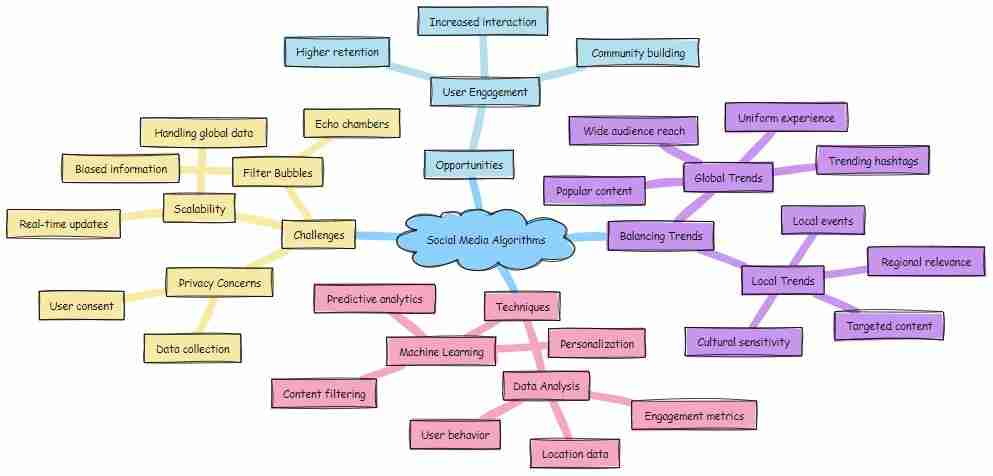
When we talk about millennials, it’s easy to paint them with a broad brush. But dig a little deeper and you’ll see a patchwork quilt of unique demographics, each with its own distinct patterns and textures. To say all millennials are the same is about as accurate as saying all trucks are built for hauling. Today’s economy, social climate, and technological landscape mean that there are nuances within this generation that deserve a closer look.
To start, let’s consider geography. Urban millennials live in bustling city centers where rent can feel like a second mortgage. They’re the trendsetters, the ones who gravitate toward artisanal coffee shops and co-working spaces. On the flip side, rural millennials often contend with a different set of challenges, like limited job opportunities and access to healthcare. This contrast can heavily influence lifestyle choices and career paths, showing that where you place your roots can significantly affect your outlook on life.
Next, let’s examine socioeconomic status. Millennials from affluent backgrounds may have had their college education funded by mom and dad, giving them a jumpstart in the job market. Conversely, those from lower-income households often navigate a treacherous path filled with student loans and part-time jobs. This disparity shapes attitudes toward spending, savings, and even mental health, making socioeconomics a crucial factor in differentiating this generation.
And let’s not forget about education. While higher education may have been a ticket to success for some, others have opted for vocational training or chose to dive right into the workforce. This choice leads to a varied skill set among millennials, impacting everything from employment prospects to personal fulfillment. Those who went the college route may carry a distinct set of ideals and expectations, whereas their counterparts who opted for alternative paths often bring hands-on experience and a different kind of wisdom.
Finally, we can’t ignore the role of technology. Some millennials are digital natives, having grown up with smartphones and social media, while others are digital immigrants who intersect with technology more cautiously. How these individuals engage with tech can affect everything from career opportunities to personal relationships.
So, when we talk about millennials, let’s remember that they’re not just one monolithic group. They’re a colorful tapestry of experiences shaped by geography, economics, education, and technological engagement—each thread telling a unique story.
Are There Specific Demographics Within Millennials That Differ?
Are There Specific Demographics Within Millennials That Differ?
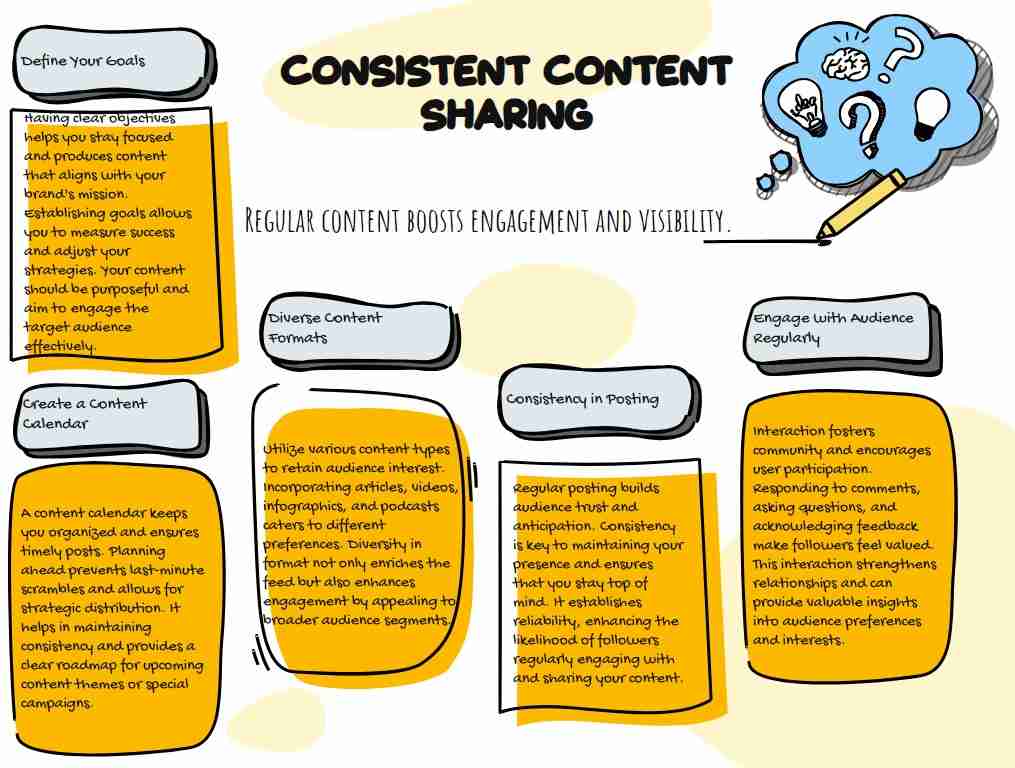
- Millennials represent a diverse group with varied demographics and experiences.
- Geographically, urban millennials face high living costs and favor trendy lifestyles, while rural millennials deal with job scarcity and healthcare access.
- Socioeconomic background greatly influences millennials’ financial challenges, attitudes towards saving, and mental health.
- Education paths vary, with some millennials pursuing higher education and others opting for vocational training or early workforce entry.
- These different educational experiences impact employment prospects and personal fulfillment.
- Technology engagement varies; some millennials are digital natives, while others approach technology more cautiously.
- Overall, millennials are a complex group shaped by multiple intersecting factors, each telling a unique story.
Are There Specific Demographics Within Millennials That Differ?
Conclusion
As we wrap up our deep dive into the Millennial mindset toward short-form videos, let’s take a moment to appreciate just how significant these snippets of creativity have become in the digital landscape. Much like a well-executed magic trick, these quick clips have a way of capturing our attention and leaving us wanting more. Millennials have tapped into platforms like TikTok and Instagram Reels, transforming the way we engage with content. This generation, often criticized for their attention spans, has deftly adapted to a culture that thrives on immediacy, spontaneity, and entertainment.
Now, if you think it’s just about watching these videos, think again. Millennials are not passive spectators; they are active participants. They comment, share, and even create their own content, weaving their personal narratives into the fabric of social trends. This is where the magic happens—each video becomes a communal event, a space where laughter, insights, and creativity converge.
And let’s not overlook authenticity—it’s the secret sauce that makes these interactions sing. Millennials have a finely tuned radar for sincerity, gravitating toward content that feels real rather than polished and perfect. The raw moments, the candid laughs, and the genuine stories resonate deeply, fostering connections that go beyond surface-level engagement.
Particularly striking is the emotional dimension of video sharing. This isn’t merely about entertainment; it’s about connection. Whether they’re sharing snippets of joy or moments of vulnerability, these videos act as conduits for empathy and understanding. Each share represents a collective experience, binding the viewer and creator in shared humanity.
But what of humor? Well, it serves as the universal language in this digital dialogue, cutting through the noise and inviting everyone to the party. A well-placed joke can turn the mundane into the extraordinary and foster a sense of community among viewers.
Ultimately, the engagement patterns of Millennials with short-form videos encapsulate a broader cultural dynamism; one that favors connection over isolation, authenticity over artifice, and joy over cynicism. It’s a brave new world where every swipe and share has the power to shape the digital narrative. So, whether you’re scrolling during your lunch break or unwinding after a long day, remember: these short bursts of creativity are more than just content; they reflect a vibrant, connected generation embracing change, one video at a time.

Conclusion
Conclusion:
- Short-form videos, especially on platforms like TikTok and Instagram Reels, have become significant in the digital landscape.
- Millennials actively participate in content creation by commenting, sharing, and weaving their personal narratives into social trends.
- Authenticity is key; Millennials seek sincere content that feels real, connecting deeply with raw moments and genuine stories.
- The emotional aspect of video sharing fosters empathy and understanding, binding viewers and creators through shared experiences.
- Humor acts as a universal language in digital interactions, transforming the mundane and creating community among viewers.
- Millennials’ engagement patterns reflect a cultural shift favoring connection, authenticity, and joy.
- Short bursts of creativity in videos are seen as reflections of a vibrant, connected generation embracing change.
Conclusion
Other Resources

Other Resources
Here is a list of other resources you can review online to learn more:
- Buffer
- Dreampress.ai
- Neuroflash.com
- Quickvid.ai
- Wix
- Mostrecommendedbooks.com
- Riffusion.com
- Line
- Scrivener
- Syllaby.io
Use This Prompt To Get More Resources With Your Favorite Online AI Tool: Please provide me with a list of online articles with their URLs in a bulleted list that I can read regarding How Do Millenials Respond to and Engage with Short-Form Videos?
Other Resources
Glossary Terms
How Do Millenials Respond to and Engage with Short-Form Videos? – Glossary Of Terms
1. Short-Form Video: Clips typically lasting from a few seconds to a few minutes, designed for quick consumption and often hosted on platforms like TikTok, Instagram Reels, and YouTube Shorts.
2. Engagement: The interaction and connection users have with content, measured through likes, shares, comments, and views in the context of digital media.
3. Platform: The online service or application where short-form videos are shared and viewed, such as TikTok, Instagram, or YouTube.
4. Viral: Content that spreads rapidly across social media platforms, often resulting in a high volume of engagement due to its popularity and relatability.
5. Content Creator: Individuals or entities that produce videos and engage audiences through original content, often building a personal brand on short-form video platforms.
6. Influencer: A person who has garnered significant followers and can sway public opinion, often collaborating with brands to promote products through short-form videos.
7. Algorithm: A set of rules and data processing patterns used by social media platforms to determine the visibility of content to users, affecting which videos users see.
8. Trend: A popular topic or challenge that emerges within short-form video content, encouraging users to create their own interpretations or responses.
9. FOMO (Fear of Missing Out): The anxiety experienced by users regarding missing out on social experiences or trends showcased in short-form videos, often motivating engagement.
10. User-Generated Content (UGC): Short-form videos created by users rather than brands, often bringing a sense of authenticity and relatability to the platform.
11. Editing Tools: Software or apps that allow users to enhance their videos with effects, music, transitions, and other features, making the content more engaging.
12. Challenge: A themed activity that encourages users to replicate or respond to a specific video format, dance, or idea, fostering community participation.
13. Hashtag: A keyword or phrase preceded by a pound sign (#), used to categorize content and make it easily searchable in the context of short-form videos.
14. Soundtrack: Music or audio clips used in short-form videos, often integral to the video’s appeal and engagement, sometimes leading to a trend’s popularity.
15. Storytelling: The art of conveying narratives within short periods, crucial for capturing audience interest and making content memorable.
16. Messaging: The underlying themes or ideas conveyed through video content, which resonate with viewers and drive discussion or shared experiences.
17. Audience Demographics: Statistical data regarding the characteristics of the viewers, such as age, gender, and geographical region, which informs content strategies.
18. Playback Rate: The percentage of viewers who watch a video in its entirety, indicating how captivating the content is for the target audience.
19. Analytics: Data-driven insights gathered from video performance metrics, helping creators understand audience preferences and improve future content.
20. Interactivity: The elements that allow viewers to actively participate, such as polls or comment sections, prompting greater engagement with the video content.
21. Nostalgia: A sentimental longing for the past that can be evoked through video themes or styles, attracting Millennials to content that resonates with their experiences.
22. Brand Integration: The seamless incorporation of products or services within short-form videos done by creators, effectively promoting brand awareness.
23. Authenticity: The genuine representation of individuals through their video content, which breeds trust and relatability among viewers.
24. Micro-Moments: Brief moments in videos that evoke strong emotional reactions, prompting viewers to share or engage with the content.
25. Thumb-Stopper: A visually appealing element in a video that grabs viewers’ attention while scrolling through feeds, leading them to stop and watch.
26. Content Saturation: The overwhelming quantity of videos available on platforms, which can make it challenging for new content to gain visibility.
27. Swipe Up: A feature that allows viewers to access additional content or websites directly from a short-form video, enhancing user engagement and conversion.
28. Call-to-Action (CTA): A prompt encouraging viewers to take specific actions, such as liking, sharing, or commenting, often used by creators to boost engagement.
29. Memetic Content: Videos that utilize memes or cultural references, easily relatable for Millennials, enhancing sharing and engagement rates.
30. Social Proof: The psychological phenomenon where people are influenced by the actions or opinions of others, particularly in the context of content sharing and engagement.

Glossary Of Terms
Other Questions
How Do Millenials Respond to and Engage with Short-Form Videos? – Other Questions
If you wish to explore and discover more, consider looking for answers to these questions:
- What are the key platforms where millennials consume short-form videos?
- How do millennials perceive the effectiveness of short-form videos in conveying messages?
- What is the role of influencers in shaping millennial engagement with short-form videos?
- How does the quality of production affect millennials’ engagement with videos?
- What types of content do millennials prefer in short-form videos?
- How has the rise of short-form videos impacted traditional media consumption among millennials?
- What trends are currently influencing millennial engagement with short-form videos?
- What are the psychological effects of short-form videos on millennials?
- How do cultural factors influence millennials’ preferences for certain types of videos?
- What metrics do millennials use to evaluate the content they engage with?
- How do cross-platform sharing habits impact the reach of short-form videos among millennials?
- What strategies can brands use to effectively engage millennials through short-form videos?
- How do peer interactions affect millennials’ sharing and commenting behavior on videos?
- What future trends can we expect in millennial engagement with short-form video content?

Other Questions
Haiku
How Do Millenials Respond to and Engage with Short-Form Videos? – A Haiku
Short clips spark delight,
Millennials seek real moments—
Joy in every frame.

Haiku
Poem
How Do Millenials Respond to and Engage with Short-Form Videos? – A Poem
In a world where seconds flash like fireflies at night,
Millennials embrace short videos, brief yet bright.
TikTok and Reels, served fresh like morning brews,
They crave spontaneity, joyous insights and clues.
Spanning each minute—just a swipe or a glance,
They blend humor and heart, igniting every chance.
They seek out the real, the raw and the crude,
Finding strength in creators who share the unglued.
Not passive observers, they engage and partake,
Crafting viral dances, it’s a community they make.
From DIY hacks to political critiques,
In this buffet of content, every taste peaks.
Authenticity’s voice cuts through the pretense,
Drawing hearts together, like a shared dance—intense.
Through laughter and pain, the emotions entwine,
Every post is a story, each share is a sign.
As trends ebb and flow, they keep audiences near,
But the core of connection echoes genuine cheer.
Each platform a vessel, where preferences bloom,
Whether urban or rural, they carve out their room.
In moments of joy or shared despair,
Every snippet a bond, a reminder we care.
So here in the digital embrace of our screens,
In short snippets we connect, woven through our dreams.

Poem
Checklist
How Do Millenials Respond to and Engage with Short-Form Videos? – A Checklist
Understanding Engagement with Short-Form Videos
1. Recognize the popularity of short-form videos among millennials on platforms like TikTok and Instagram Reels.
2. Emphasize the importance of quick, digestible content that fits into busy lifestyles.
3. Acknowledge the dynamic nature of short videos that foster spontaneity and creativity.
Creating Authentic and Relatable Content
4. Prioritize authenticity in video content to build connections with millennial viewers.
5. Encourage the use of genuine moments over curated perfection to resonate with the audience.
6. Make room for raw and relatable footage to foster a sense of community.
Leveraging Community Interaction
7. Incorporate elements that encourage viewers to like, comment, share, and create their own content.
8. Develop content that invites participation in viral challenges or creative endeavors.
9. Foster a feeling of belonging through interactive elements in your videos.
Tapping into Emotional Responses
10. Utilize emotions like joy, humor, and empathy to drive engagement and sharing.
11. Craft content that resonates with viewers’ emotional experiences for deeper connections.
Aligning with Current Trends
12. Stay updated on trending topics to create content that’s relevant and engaging.
13. Balance between trending fads and genuine content to maintain authenticity.
14. Monitor the ebb and flow of trends to adapt content strategies effectively.
Understanding Platform-Specific Preferences
15. Tailor content to suit the characteristics and user behaviors of different platforms (e. g. , Instagram vs. YouTube).
16. Ensure that website content is well-structured and visually appealing for deeper engagement.
17. Embrace the aesthetics and brevity valued on social media for maximum impact.
Utilizing Humor Effectively
18. Infuse humor in your videos to captivate the millennial audience.
19. Ensure humor feels genuine and relatable, avoiding forced jokes.
Recognizing Diverse Demographics
20. Acknowledge the variations within the millennial demographic based on factors like geography, socioeconomic status, education, and technology engagement.
21. Adapt your approach based on the unique preferences and challenges of sub-groups within the millennial generation.
Evaluating and Adapting Content
22. Gather feedback from your audience to refine content strategies continually.
23. Analyze engagement metrics to understand what resonates most with millennials.
By implementing this checklist, creators and brands can better connect with the millennial audience through effective and engaging short-form video content.

Checklist
At WebsiteBloggers, we help website bloggers develop strategies to create content, traffic, and revenue from website blogs based on our experiences and experimentation.
Be sure to read our other related stories at WebsiteBloggers and share this article with your friends, family, or business associates who run website blogs.