Unlocking The Power Of Blogs For Professional Growth
By Tom Seest
At WebsiteBloggers, we help website bloggers develop strategies to create content, traffic, and revenue from website blogs based on our experiences and experimentation.
Be sure to read our other related stories at WebsiteBloggers and share this article with your friends, family, or business associates who run website blogs.
How Does a Blog Help You Stay Current In Your Field?
In today’s fast-paced world, staying current in your field isn’t just a good idea; it’s a necessity. With the rapid evolution of technology and trends, the last thing you want is to fall behind. Enter the humble yet powerful tool that is the website blog. This unassuming corner of the internet can be your trusted ally in navigating the ever-changing landscape of your profession.
Imagine launching your own website blog; it’s not just a creative outlet but a strategic move to keep your finger on the pulse of your industry. By committing to regular posts, you cultivate a habit of continuous learning. Each article forces you to dig deep into the latest developments, emerging technologies, and current best practices. For every blog entry, you’ll spend hours investigating, reading, and thinking critically about what’s happening around you. That’s a surefire way to stay ahead of the curve.
Moreover, your website blog becomes a living portfolio of your knowledge and expertise. It’s one thing to say you’re an expert; it’s another entirely to showcase your insights and perspectives on relevant topics. Each post serves not only as a testament to your understanding but also to your willingness to share that knowledge with others. It fosters a sense of credibility and authority in your field. When potential clients or employers see your well-crafted ideas, they’re also seeing a professional who is engaged, informed, and ready to tackle the challenges within your industry.
But there’s more. A well-curated website blog also opens the door to community engagement. Readers can comment, ask questions, and even push back against your ideas. This interaction not only enriches your understanding but allows you to refine your thoughts through the perspectives of others. You might find a new mentor or even a fresh friend who shares your interests, expanding your network in ways you never expected.
Let’s not forget the importance of keywords and search engine optimization (SEO). A regularly updated website blog creates opportunities for organic discovery. The more you write, the more relevant traffic your site attracts. It’s your chance to shine, helping you remain visible in a world where staying current means staying seen.
In essence, a website blog isn’t just about sharing your thoughts; it’s about marketing your knowledge, fostering community, and propelling yourself forward in your profession. It’s a labor of love, but the rewards? They’re worth every keystroke. So roll up your sleeves, hit that keyboard, and start blogging your way to staying current.

How Does a Blog Help You Stay Current In Your Field?
How Does a Blog Help You Stay Current In Your Field?
- Staying updated in your field is essential in today’s fast-paced world, especially with rapid technological changes.
- Launching a website blog acts as both a creative outlet and a strategic tool for continuous learning.
- Regular blog posts require in-depth investigation into developments and best practices, helping you stay informed.
- Your blog serves as a portfolio that showcases your expertise and credibility, enhancing professional visibility.
- Engaging with readers through comments and questions fosters community interaction and broadens your network.
- A well-maintained blog improves your search engine visibility, attracting more organic traffic to your site.
- Ultimately, blogging is about marketing your knowledge and driving professional growth; the effort is worthwhile.

How Does a Blog Help You Stay Current In Your Field?
Table Of Contents
- How Does a Blog Help You Stay Current In Your Field?
- How Can A Blog Keep You Informed About Industry Trends?
- What Topics Should You Cover To Stay Relevant?
- How Often Should You Update Your Blog For Optimal Relevance?
- What Are The Benefits Of Following Other Blogs In Your Field?
- How Can Reader Engagement Improve Your Knowledge Base?
- How Do You Curate Content To Remain Top-Of-Mind In Your Industry?
- What Role Does Social Media Play In Maintaining Blog Relevance?
- Conclusion
- Other Resources
- Glossary Of Terms
- Other Questions
- Haiku
- Poem
- Checklist
How Can A Blog Keep You Informed About Industry Trends?
In today’s fast-paced world, you can easily feel like you’re running with your hair on fire, trying to keep up with all the changes in your industry. Whether you’re a seasoned professional or a newcomer looking to make your mark, a website blog can serve as your trusty compass in this ever-shifting landscape. So, how exactly does a blog help keep you informed about the latest industry trends?
First and foremost, a well-curated website blog offers a treasure trove of insights from experts who know their stuff. These writers—often industry veterans—distill complex information into bite-sized pieces. That means you’re not wading through thick textbooks or technical reports; instead, you’re getting the real deal straight from the horse’s mouth. They share experiences, predictions, and even occasional head-scratchers that invite debate.
Moreover, blogs shine a light on emerging trends that you might have otherwise missed. Ever hear the phrase “don’t reinvent the wheel”? Reading a knowledgeable website blog allows you to learn from what others are doing, whether it’s adopting a new technology or understanding shifts in consumer behavior. Instead of being reactive, you can adopt a proactive mindset and position yourself ahead of the curve.
Engagement is another pillar of the blogosphere. Many blogs encourage comments and discussions, creating a community of like-minded individuals. Here you can exchange ideas with peers, and that communal knowledge can be incredibly enlightening. Someone you never met might drop a comment that alters your entire perspective on a trend, and that’s invaluable.
And let’s not overlook the unique ability of a website blog to aggregate information. Unlike traditional media outlets that may present a narrow view, blogs can pull together diverse sources, offering a more holistic picture. When experts cite studies, interviews, and even casual anecdotes, they intertwine them into a narrative that keeps you up to speed.
Lastly, staying informed about industry trends isn’t just about consuming information; it’s also about developing critical thinking. A blog encourages you to question what you read and form your own opinions. It pushes you to engage with the material, to dig deeper, and to participate in conversations, moving beyond passive consumption.
In summary, a website blog is more than just a collection of articles; it’s a dynamic resource that nourishes your understanding of industry trends and equips you to navigate the future with confidence. So, buckle up, find a few good blogs, and let them be your guide through the maze of change.

How Can A Blog Keep You Informed About Industry Trends?
How Can A Blog Keep You Informed About Industry Trends?
- A website blog acts as a compass for staying informed in a fast-paced industry.
- Well-curated blogs offer insights from industry experts, simplifying complex information.
- Blogs highlight emerging trends, enabling proactive positioning and learning from others.
- Many blogs foster community engagement through comments and discussions, enhancing knowledge exchange.
- Blogs aggregate information from diverse sources, providing a holistic view of industry developments.
- Reading blogs encourages critical thinking and active engagement with the material.
- A website blog is a dynamic resource that helps navigate industry trends with confidence.

How Can A Blog Keep You Informed About Industry Trends?
What Topics Should You Cover To Stay Relevant?
Staying relevant in today’s fast-paced world requires a keen understanding of the topics that captivate and resonate with your audience. Whether you’re running a website or a blog, choosing the right themes is crucial to keeping your readers engaged and coming back for more. So, what should you cover to ensure you’re not just shouting into the void?
First off, let’s talk about the importance of current events. In a world overflowing with information, covering news—and not just any news, but stories that matter—can position your platform as a trusted source. Dive into issues that affect everyday life, from environmental challenges to technological advancements that shape our society. Presenting your perspective on pressing matters not only educates your audience but also invites them to engage in meaningful dialogue.
What about personal stories? Authenticity resonates deeply with readers. Sharing experiences that shed light on the highs and lows of life can create a profound connection. Consider weaving in tales of resilience, failure, or unexpected triumphs. These narratives serve to remind us that we’re all part of a larger human experience, and they can offer inspiration when it’s needed most.
Another area to explore is the intersection of tradition and innovation. People love to learn about how things were done in the past compared to today’s methods. Highlighting this contrast can be enlightening. For instance, discussing how craftsmanship has evolved in the trades or how new technologies are influencing traditional industries could ignite a conversation worth having. It builds a bridge between generations and fosters appreciation for both legacy and progress.
Of course, let’s not overlook the value of practical advice. Everyday skills are incredibly relevant. People crave knowledge in areas like home improvement, cooking, and financial literacy. Providing tips and strategies that empower your audience to tackle challenges head-on can establish your authority and reliability as a resource.
Finally, consider the impact of local culture. Explore unique aspects of your community that might not receive much attention elsewhere. From hidden gems in your town to traditions that shape local identity, these topics not only provide a sense of belonging but also bolster community pride.
In summary, staying relevant on your website or blog boils down to a mix of current events, personal storytelling, tradition versus innovation, practical advice, and local culture. By covering these topics, you’ll not only keep your audience engaged but also foster a genuine connection that transcends the screen.

What Topics Should You Cover To Stay Relevant?
What Topics Should You Cover To Stay Relevant?
- Understand the importance of topics that captivate your audience to maintain engagement.
- Cover current events that matter, positioning your platform as a trusted source.
- Share personal stories to create profound connections and inspire readers.
- Explore the intersection of tradition and innovation to enlighten audiences.
- Provide practical advice on everyday skills to empower your audience.
- Highlight unique aspects of local culture to foster community pride.
- Engage your audience by mixing current events, storytelling, tradition, practical advice, and local culture.

What Topics Should You Cover To Stay Relevant?
How Often Should You Update Your Blog For Optimal Relevance?
When it comes to running a successful website blog, one of the biggest questions that often gets tossed around the digital campfire is, “How often should I update my blog?” It’s a fair question, akin to asking how often you should change the oil in your car. The answer isn’t a simple one-size-fits-all. However, let’s dig into the tools in our toolbox and figure out what makes the most sense.
First off, consistency is key. Think of your website blog as a garden. If you don’t tend to it regularly, weeds will take over and it’ll become a messy thicket. Posting new content consistently helps establish a rhythm for your audience. Whether you aim for once a week or a couple of times a month, find a schedule you can stick to. Being predictable in your updates keeps your readers engaged and coming back for more.
Now, let’s consider the age of your content. Just like a piece of fruit, information has an expiration date. Depending on your niche, a blog post can lose its relevance faster than a day-old donut. If your subject matter is fast-paced—think technology, current events, or fashion—updating your blog frequently is crucial to stay relevant. Aim for at least weekly updates to keep your content fresh and in line with industry standards.
But here’s the kicker:
Quality beats quantity. A website blog loaded with half-baked posts isn’t going to win you any fans. It’s better to publish fewer, high-quality articles than to churn out mediocre ones every day. So, when in doubt, put in the time to research and craft thoughtful pieces that reflect your expertise.
Engaging with your audience also plays a pivotal role. Pay attention to the comments and questions you receive. If a topic resonates with your readers, don’t hesitate to delve deeper and follow up with related posts. This not only shows that you value their input but also increases the relevance of your blog within your niche.
Furthermore, utilize analytics tools to monitor your website blog’s performance. They’ll help you identify which posts drive traffic and engagement, and can guide your future content strategy.
So, there you have it. Striking the right balance between frequency and quality with your updates will ensure your website blog remains a lively conversation starter, rather than just another dusty corner of the internet. Keep it fresh, keep it relevant, and keep those readers coming back for more.

How Often Should You Update Your Blog For Optimal Relevance?
How Often Should You Update Your Blog For Optimal Relevance?
- Consistency is crucial for a successful blog; establish a regular posting schedule.
- Regular updates keep your audience engaged and encourage them to return.
- The relevance of content diminishes over time; frequent updates are vital for fast-paced niches.
- Quality of content is more important than quantity; prioritize producing high-quality articles.
- Engage with your audience by responding to comments and exploring popular topics further.
- Use analytics tools to track blog performance and adapt your content strategy accordingly.
- Maintain a balance between update frequency and content quality for an engaging blog presence.

How Often Should You Update Your Blog For Optimal Relevance?
What Are The Benefits Of Following Other Blogs In Your Field?
In the vast ocean of the internet, navigating through the waves of information can be overwhelming. But here’s the thing: if you’re working in a particular field, following other blogs related to your industry isn’t just beneficial—it’s downright crucial. Let’s break down the perks of keeping up with the digital scribes out there.
First up, education. Every day, experts and practitioners share their insights, tips, and techniques through their platforms. By dedicating a little time to follow a variety of blogs, you essentially open a window to a world of knowledge that can sharpen your skills and broaden your perspective. You might stumble upon a new trend or a clever workaround that you simply wouldn’t find in textbooks or courses. Staying informed through these digital missives helps keep your toolbox stocked for whatever challenges may arise.
Then there’s the element of inspiration. Let’s face it: creativity can ebb and flow like the tide. When you follow a diverse range of blogs, you expose yourself to different voices and styles, sparking ideas that you might not have considered otherwise. You see how others tackle challenges, and it might just ignite a fire in your own work. Inspiration doesn’t always strike in a flash; sometimes, it’s a slow burn that builds over time as you absorb the wisdom of those around you.
Networking plays a key role in this too. The blogging community is vast but interconnected. By following other blogs and engaging with their content, you position yourself to connect with like-minded individuals. You might leave a comment that generates dialogue or share your thoughts on social media, opening doors to new relationships. This networking can lead to collaborations, mentorships, or even job opportunities down the road.
On the practical side, regular visits to other websites and blogs provide a glimpse of what’s working (and what’s not) in your industry. You can spot market trends, assess your competitors, and understand the direction your field is headed. This intelligence is invaluable whether you’re a seasoned pro or just starting.
Finally, let’s not overlook the community aspect of following blogs. When you engage with content created by others in your field, you create a sense of belonging. You’re not just reading words on a screen; you’re part of a larger conversation, a shared quest for knowledge and improvement.

What Are The Benefits Of Following Other Blogs In Your Field?
What Are The Benefits Of Following Other Blogs In Your Field?
- Navigating the internet: The vastness of online information can feel overwhelming.
- Education: Following industry-related blogs offers insights and tips that enhance skills and broaden perspectives.
- Inspiration: Exposure to diverse voices and styles through blogs can spark new ideas and ignite creativity.
- Networking: Engaging with the blogging community fosters connections that can lead to collaborations and opportunities.
- Market awareness: Regularly visiting blogs helps identify industry trends, competitor strategies, and overall direction.
- Community: Engaging with fellow professionals fosters a sense of belonging and participation in a shared quest for knowledge.

What Are The Benefits Of Following Other Blogs In Your Field?
How Can Reader Engagement Improve Your Knowledge Base?
When it comes to building and maintaining a robust knowledge base, one of the most powerful tools at your disposal is reader engagement. Picture your website blog as a living organism; it needs interaction, feedback, and a bit of care to thrive. Without reader engagement, you’re simply talking to yourself in an echo chamber, and let’s be honest, folks, that’s about as productive as a screen door on a submarine.
First off, think about what engagement really means. It’s not just a bunch of thumbs up or heart emojis; it’s about starting a conversation. When readers get involved, be it through comments, shares, or questions, they offer insights that can illuminate the dark corners of your knowledge base. We all have blind spots, and often, the best way to see them is through the eyes of someone else. Readers can highlight gaps, point out inaccuracies, or even suggest fresh angles on the topics you’re tackling.
Moreover, when your audience feels heard and valued, they’re more likely to come back for seconds. It’s much like a good meal—if you enjoy the first course, you’ll be begging for dessert. Engaging your readers fosters loyalty and builds a community around your content. And let’s not forget the value of diverse perspectives; this engagement can transform a neat stack of articles into a rich tapestry of information that reflects a variety of experiences and knowledge levels.
By actively incorporating reader feedback, you can not only refine your current content but also generate new ideas. Ever had a light bulb moment triggered by someone else’s question? That’s the magic of collaboration. Ideas that originate from your audience can drive innovation and keep your knowledge base fresh and relevant.
So, how do you encourage this engagement? Start by asking questions in your posts, responding to comments, and actively seeking out input through polls or surveys. Make your blog a space where readers feel invited to share their thoughts. The more interaction your content gets, the more robust your knowledge base becomes, evolving into something of real value that can serve you and your audience well.
In summary, reader engagement isn’t just a nice-to-have; it’s a necessity for cultivating an effective, dynamic knowledge base that stands the test of time. Bring your audience into the fold, and watch your web of knowledge grow stronger with every interaction.
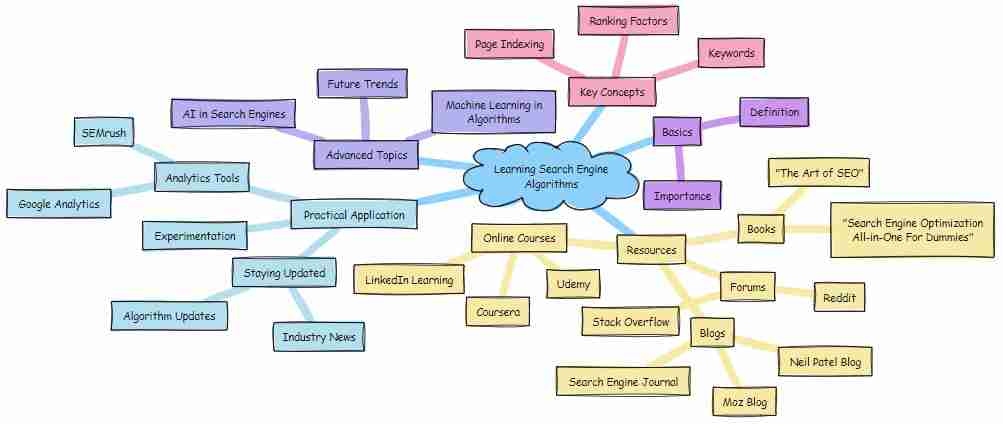
How Can Reader Engagement Improve Your Knowledge Base?
How Can Reader Engagement Improve Your Knowledge Base?
- Reader engagement is essential for building and maintaining a robust knowledge base.
- Engagement involves conversations, comments, and feedback, not just reactions.
- Readers provide insights that can reveal gaps and inaccuracies in your content.
- Valuing reader input fosters loyalty and creates a community around your content.
- Diverse perspectives from readers enhance the richness of your knowledge base.
- Incorporating feedback can lead to innovative ideas and refinements in content.
- Encourage engagement by asking questions, responding to comments, and using polls.

How Can Reader Engagement Improve Your Knowledge Base?
How Do You Curate Content To Remain Top-Of-Mind In Your Industry?
Curating content to remain top-of-mind in your industry isn’t just about tossing out a few random articles and hoping they stick; it’s about crafting a narrative that resonates with your audience. When you think about it, every piece of content is a bridge connecting you to your followers. Your mission is to build those bridges strong enough to withstand the currents of trends and fleeting fads.
First things first: know your audience. Dive deep into the psyche of your followers—what keeps them up at night? What solutions are they seeking? By understanding their pain points and interests, you’ll better position your content to hit home. This isn’t about guesswork; it’s about real connections. Tools like surveys, social media polls, or simply engaging in conversations can provide invaluable insights.
Next, find your niche. In the vast sea of information flowing through the internet, it’s crucial to carve out a space that only you can fill. What unique perspective do you bring to the table? Whether it’s through your Website Blog or other platforms, your voice should be distinct and recognizable. Regularly share insights, industry news, and updates that reflect your expertise. The goal is to establish yourself as a reliable source in your field.
Now, let’s talk consistency. Posting irregularly is like trying to start a fire with wet matches—frustrating and ineffective. Create a content calendar that outlines what you’ll post and when. This helps maintain flow and ensures you never run out of ideas. It also signals to your audience that you’re committed to staying engaged, which fosters loyalty and keeps you at the forefront of their minds.
Lastly, engage actively with your followers. Responding to comments, answering questions, or simply thanking someone for sharing your content makes a huge difference. This two-way street enhances your credibility and shows you value their input.
In all this, don’t forget to analyze and adapt. Use analytics tools to track your content’s performance. Notice what resonates? Double down on it. What flops? Test and refine your approach. The landscape changes, and so should you.
Curating content is an art and a science, a blend of knowing your audience, staying relevant, and being authentic. So roll up your sleeves, get to work, and be that trusted voice in your industry!

How Do You Curate Content To Remain Top-Of-Mind In Your Industry?
How Do You Curate Content To Remain Top-Of-Mind In Your Industry?
- Curate content strategically to create a resonant narrative for your audience.
- Understand your audience’s pain points and interests through tools like surveys and social media engagement.
- Establish a unique niche by sharing distinct insights and expertise across platforms.
- Maintain consistency in posting by creating a content calendar to keep ideas flowing.
- Actively engage with followers to enhance credibility and show appreciation for their interaction.
- Regularly analyze content performance using analytics tools, and adapt your strategy based on results.
- Embrace content curation as a blend of art and science to become a trusted voice in your industry.

How Do You Curate Content To Remain Top-Of-Mind In Your Industry?
What Role Does Social Media Play In Maintaining Blog Relevance?
In today’s digital world, the phrase “out of sight, out of mind” rings true more than ever. If you’re running a website blog, you know that a good post is only half the battle. The other half? Keeping that content from slipping into the abyss of the internet. That’s where social media steps in, acting as the megaphone that amplifies your voice and keeps your work in the spotlight.
When you publish a new piece on your blog, it’s like planting a seed. But without a little sunlight and water—aka, social media promotion—that seed can languish, waiting for someone to stumble upon it by chance. Sharing your posts on platforms like Twitter, Facebook, and Instagram serves as a catalyst, igniting interest and traffic back to your site. A single tweet or post can catch fire, bringing in a deluge of readers who might have otherwise never ventured to your website blog.
Now, let’s get real—this isn’t all about you. It’s about building a community. Social media allows for dialogue and interaction with your audience. When readers engage with your content, they are more likely to share it within their own circles. Imagine a snowball rolling downhill: the more connections you make, the larger your audience becomes. This cyclical relationship between your blog and social networks reinforces relevance. As people see and interact with your material, they come to expect your updates, turning your audience into loyal readers.
Moreover, social media platforms are excellent for promoting the evergreen content on your website blog. You know the pieces that have stood the test of time and remain valuable months or even years later? Regularly sharing these posts keeps them alive and relevant. It reminds your audience that there’s plenty of wisdom to tap into, encouraging them to revisit what they may have missed.
In a nutshell, social media is the lifeblood of blog visibility. It’s not just about shouting into the void; it’s about fostering connections and engaging with your audience where they already are. In doing so, you not only maintain relevance but also create a vibrant ecosystem where your website blog can thrive, evolve, and reach new heights. So, don’t just post and pray. Get out there and mingle!

What Role Does Social Media Play In Maintaining Blog Relevance?
What Role Does Social Media Play In Maintaining Blog Relevance?
- The phrase “out of sight, out of mind” emphasizes the importance of visibility for blog content in the digital world.
- Social media acts as a megaphone, enhancing the reach of blog posts and preventing them from fading into obscurity.
- Promoting new blog posts on platforms like Twitter, Facebook, and Instagram can significantly increase traffic to your site.
- Engaging with your audience on social media fosters a community that encourages content sharing and interaction.
- Building connections through social media can create a snowball effect, expanding your audience over time.
- Regularly sharing evergreen content on social media ensures its relevance and encourages audience revisitation.
- Social media is essential for maintaining blog visibility, fostering relationships, and creating a thriving ecosystem for content growth.

What Role Does Social Media Play In Maintaining Blog Relevance?
Conclusion
In the wild, fast-paced arena of today’s professional landscape, staying relevant is more than a good idea—it’s essential. If you want to keep up with the dizzying changes in your field, you need something highly effective in your toolkit. Enter the blog: a modest yet powerful ally that can keep you grounded amid the chaos. Embracing a blog isn’t merely an act of self-expression; it’s a calculated strategy to ensure you’re always in the loop. By committing to regular posts, you create a habit of exploration and critical thinking. Each article you post isn’t just a drop in the bucket; it’s an opportunity to dive deep into fresh developments and best practices.
Your blog morphs into more than just a platform; it’s your professional portfolio—an engaging testament to your knowledge. Showcase your insight and watch as the world begins to see you not just as a participant in your field but as an authority. Engaging with your audience is yet another perk of this blogging journey. Readers will inevitably chime in, prompting discussions that can refine your understanding and potentially thrust you into new opportunities.
But let’s not stop there; a blog also opens the door to tangible visibility in an age where being seen can often mean being found. Mind your keywords, hone your SEO strategies, and each post can elevate your profile, allowing you to shine brighter. Regular updates create a lively corner of the digital world that keeps readers coming back for more, engaged and informed.
Content curation is vital as well. Follow relevant blogs, and you’ll soon find your knowledge base solidified and nourished. Engaging with other perspectives broadens your horizon and strengthens your network, creating a community in which you belong. As you build and nurture this network, remember that reader engagement is the lifeblood of your knowledge base. When your audience interacts with your content, their insights provide those crucial “aha” moments that can alter your approach and enhance your expertise.
In conclusion, if you want to remain current, relevant, and connected, pick up that keyboard, put pen to paper, or fingers to keys, and start your blogging journey today. The riches of professional growth and community await those ready to dig in, learn, and share. It’s hard work, but in the world of professional development, it’s hard work that pays off immensely. So, roll up your sleeves and get to it—your future self will thank you.

Conclusion
Conclusion:
- Staying relevant in today’s professional landscape is essential.
- A blog serves as a powerful tool for self-expression and strategic engagement.
- Regular posting promotes exploration, critical thinking, and deep dives into developments.
- Your blog acts as a professional portfolio, establishing you as an authority in your field.
- Engaging with your audience fosters discussions that enhance understanding and create opportunities.
- Effective use of SEO and keywords in your blog can increase visibility and attract readers.
- Content curation and interaction with other bloggers broadens knowledge and strengthens professional networks.

Conclusion
Other Resources

Other Resources
Here is a list of other resources you can review online to learn more:
- Scholarcy.com
- Weegy.com
- ActiveCampaign
- Genei.io
- Voicebot.ai
- Prompthunt.com
- Abbyy.com
- Cowriter.org
- Tensorflow.org
- Speechify.com
Use This Prompt To Get More Resources With Your Favorite Online AI Tool: Please provide me with a list of online articles with their URLs in a bulleted list that I can read regarding How Does a Blog Help You Stay Current In Your Field?

Other Resources
Glossary Terms
How Does a Blog Help You Stay Current In Your Field? – Glossary Of Terms
1. Blogging: The act of creating and maintaining an online journal or informational website, often reflecting the author’s personal thoughts and professional expertise.
2. Content Creation: The process of generating valuable and relevant information, including written articles, videos, and graphics, to attract and engage an audience.
3. Audience Engagement: Interacting with readers through comments, social media shares, and feedback to foster a community around the blog’s content.
4. Niche: A specific area of focus within a broader field that allows a blog to target a particular group of readers interested in that subject.
5. Research: The systematic investigation into existing literature and current trends to provide accurate, detailed information that enhances the blog’s credibility.
6. SEO (Search Engine Optimization): Techniques used to improve a blog’s visibility in search engine results, helping to attract more visitors to the site.
7. Industry Trends: Developments or changes in a specific field that are crucial for a professional to stay informed and adapt to market demands.
8. Thought Leadership: The practice of influencing others through expertise and original ideas, often used in blogs to establish a writer as an authority in their field.
9. Networking: The act of connecting with other professionals and bloggers to share insights, guest post opportunities, and collaboration possibilities.
10. Personal Branding: The process of developing a public persona which reflects a person’s skills and values, often strengthened through content shared on a blog.
11. Metrics: Quantitative measurements used to analyze blog performance, including page views, bounce rate, and engagement rates, to inform future content strategies.
12. Feedback: Input and commentary from readers that provide insights into what content resonates, enabling the blogger to make informed improvements.
13. Consistency: The practice of regularly updating the blog with new content to maintain reader interest and search engine rankings.
14. Visual Content: Any non-textual material, such as images, infographics, and videos, that enhances the reader’s experience and conveys information effectively.
15. Curated Content: Information gathered from various sources, selected, and shared through the blog to provide value to readers and expand on the topic matter.
16. Guest Posting: Contributing articles to another blog to reach a wider audience, enhance credibility, and foster relationships within the industry.
17. Call to Action (CTA): Encouraging readers to engage further, such as subscribing, commenting, or sharing content, often included at the end of blog posts.
18. Cross-Promotion: Using multiple platforms (social media, email newsletters) to drive traffic to the blog and reach a broader audience.
19. Brand Awareness: The extent to which potential customers recognize a business’s name and offerings, often heightened through consistent blogging.
20. Analytics: Data collected from the blog’s performance that aids in understanding audience behavior and preferences to inform strategic decisions.
21. Educational Content: Informational posts designed to teach readers about specific topics, enhancing their knowledge while positioning the blogger as an expert.
22. Social Proof: Evidence that other people value the blog (likes, shares, comments) that can help attract new readers and establish authority.
23. Affiliate Marketing: A revenue-generating method where bloggers promote third-party products and earn a commission on referrals through their blog.
24. Content Calendar: A planned schedule for publishing blog posts, helping to maintain a steady flow of relevant content while ensuring timely updates.
25. Brand Collaboration: Partnerships with companies or other bloggers to create content, often leading to expanded reach and shared audiences.
26. Case Studies: In-depth analyses of particular successes or failures in the field that provide readers with concrete examples of theory in practice.
27. Email Newsletter: A regular summary of blog content sent to subscribers, helping maintain reader engagement and driving traffic back to the blog.
28. Webinars: Online seminars or workshops that can supplement blog content and provide in-depth discussions on specific industry topics.
29. Podcasting: The production of audio content that can complement written blog posts, allowing for another mode of engagement with the audience.
30. Trend Analysis: The evaluation of industry patterns over time, helping bloggers predict changes and position themselves as up-to-date resources for their readers.

Glossary Of Terms
Other Questions
How Does a Blog Help You Stay Current In Your Field? – Other Questions
If you wish to explore and discover more, consider looking for answers to these questions:
- What are the best platforms to start a blog?
- How do I choose a niche for my blog?
- What are effective strategies for increasing blog traffic?
- How do I measure the success of my blog?
- What is the difference between blogging and vlogging?
- How can I monetize my blog?
- What are SEO best practices for bloggers?
- How do I maintain consistency in my blogging schedule?
- What are common mistakes to avoid when starting a blog?
- How can I effectively engage with my blog audience?
- What tools can I use to help with content curation?
- How does blogging impact professional branding?
- What are the legal considerations for bloggers?
- How can I use analytics to improve my blog?
- What role does guest blogging play in expanding reach?

Other Questions
Haiku
How Does a Blog Help You Stay Current In Your Field? – A Haiku
Blogging keeps you here,
Learning, sharing knowledge wide,
Grows your voice and ties.

Haiku
Poem
How Does a Blog Help You Stay Current In Your Field? – A Poem
In a world where change is swift and bright,
Blogs emerge, a beacon, cutting through the night.
A humble space, yet brimming with might,
A map for growth, a path into the light.
With each new post, a habit takes its flight,
In learning’s dance, we strive to get it right.
Seeking out trends, both new and out of sight,
Crafting our craft, making knowledge tight.
A portfolio blooms with every word we write,
Showcasing our skills, our views, a trusted sight.
Engagement’s essence, where communities unite,
Sharing voices, diverse thoughts taking flight.
Stay sharp, stay fresh, like fruit in the sun,
Update without haste, but quality’s the aim won.
Inspiration flows from those we’ve come upon,
A network kindles, new friendships begun.
Curate with care, let your themes resonate,
With local tales and insights that captivate.
Consider your audience, their hopes, their fate,
Consistency beats chaos—set a steady rate.
On social media’s wings, let your content soar,
A megaphone for voices, opening new doors.
Discuss, interact, your followers will adore,
In this vibrant exchange, relevance will score.
So roll your sleeves, dive into this craft,
With every thought and pulse, let your insights draft.
In blogs, we find our rhythm, our unique path daft,
Unlocking growth’s power, in the digital draft.

Poem
Checklist
How Does a Blog Help You Stay Current In Your Field? – A Checklist
1. Establish Your Blogging Goals
_____ Define your primary objectives (e. g. , share knowledge, establish authority, network, etc. )
_____ Identify target audience and their interests.
2. Regular Posting Schedule
_____ Determine a realistic posting frequency (weekly, bi-weekly, monthly).
_____ Create a content calendar to plan topics in advance.
3. Content Research and Creation
_____ Allocate time for researching latest industry trends and technologies.
_____ Create in-depth posts that showcase your insights, perspectives, and expertise.
_____ Utilize diversity in content (current events, personal stories, practical advice).
4. SEO and Keywords
_____ Research relevant keywords for better search engine visibility.
_____ Optimize blog posts for SEO (headlines, meta descriptions, internal links).
5. Encourage Reader Engagement
_____ Ask open-ended questions in posts to invite discussion.
_____ Regularly respond to comments and foster conversation.
_____ Incorporate reader feedback into future content.
6. Curate Valuable Content
_____ Follow other blogs and industry experts for insights and inspiration.
_____ Share valuable resources or articles in your posts that resonate with your audience.
7. Promote Your Blog on Social Media
_____ Share new blog posts across your social media platforms.
_____ Engage with your audience on social media by responding to comments and sharing relevant content.
_____ Utilize social media for networking and joining discussions relevant to your field.
8. Monitor Analytics for Improvement
_____ Use analytics tools to track blog performance and reader engagement.
_____ Identify top-performing posts and understand why they resonate with your audience.
_____ Adapt your content strategy based on data insights.
9. Stay Informed About Industry Changes
_____ Regularly read other industry blogs to keep updated on competitors and trends.
_____ Attend webinars, conferences, or industry events to expand your knowledge.
10. Evaluate and Adjust Your Strategy
_____ Periodically review your blog’s effectiveness and relevance.
_____ Update or revise outdated posts to maintain their value.
_____ Assess your content for quality over quantity.
11. Network and Collaborate
_____ Reach out to other bloggers and industry professionals for guest posts or collaborations.
_____ Attend community events or online forums to build connections within your field.
Use this checklist to maintain a systematic approach to blogging that will help you stay current, informed, and engaged in your professional field!

Checklist
At WebsiteBloggers, we help website bloggers develop strategies to create content, traffic, and revenue from website blogs based on our experiences and experimentation.
Be sure to read our other related stories at WebsiteBloggers and share this article with your friends, family, or business associates who run website blogs.