Unlocking Creativity: Sparking Imagination Through Dynamic Design
By Tom Seest
At WebsiteBloggers, we help website bloggers develop strategies to create content, traffic, and revenue from website blogs based on our experiences and experimentation.
Be sure to read our other related stories at WebsiteBloggers and share this article with your friends, family, or business associates who run website blogs.
How Kids Can Learn Design with Moving Elements
In a world brimming with screens and technology, the notion of design often dances before us like a bright flame, captivating our senses and demanding our attention. Imagine a group of children, their eyes wide with curiosity, gathered around a simple drawing board or a computer. They’re not just sketching; they’re learning how to bring their ideas to life. This isn’t about mere aesthetics; it’s about empowering kids to express their creativity through movement and vibrant designs—an art that springs from the heart and resonates with the world.
When kids learn design through moving elements, they’re not just building static images; they’re crafting experiences. Each animation, every shift in color, and every well-timed transition becomes a conversation starter—a way to share stories that matter. It’s essential to note that design isn’t confined to the professional realm; it’s an everyday skill, navigating the landscapes of emotions and ethics that influence our daily lives. By fostering a design mindset, we encourage children to think critically, approach problems with an analytical eye, and embrace the challenge of bringing ideas to life.
The beauty of engaging with design is that it’s a social exercise. Think about it—when a child shows their work, they’re not just revealing something they created; they’re inviting others to join them in their journey. Friends and family gather around screens, sharing laughter or inspiration as they discuss each moving element. This connection builds confidence, uniting them in a shared language where creativity knows no bounds.
Harnessing design skills also offers children the kind of authority that comes from being active participants rather than mere consumers. They become innovators in their worlds, not just observers. As they explore different tools available through various platforms, they discover a treasure trove of possibilities that extend beyond the classroom. Websites and blogs laden with resources stand as gateways to learning, giving them access to a vast community ready to support their creative endeavors.
In essence, enabling kids to engage with design empowers them to understand their voices. It allows them to articulate their thoughts and ideas, transforming their visions into moving realities. This journey isn’t merely an academic endeavor; it’s about igniting passions, fostering connections, and inspiring the next generation to dream, create, and move with purpose. Through the power of design, we can illuminate paths that will guide children not just toward careers, but toward a future imbued with creativity and authenticity.

How Kids Can Learn Design with Moving Elements
How Kids Can Learn Design with Moving Elements
- Design captivates attention in a technology-driven world, encouraging creativity in children.
- Children learn to bring their ideas to life through movement and vibrant designs, crafting experiences instead of static images.
- Design fosters critical thinking and problem-solving skills, as it is an essential everyday skill.
- Engaging with design promotes social interaction, inviting friends and family to share in the creative journey.
- Children gain authority as active creators, becoming innovators rather than passive consumers.
- Access to online resources expands learning opportunities and connects children to a supportive creative community.
- Empowering kids through design helps them find their voices and ignites their passions for future creativity.

How Kids Can Learn Design with Moving Elements
Table Of Contents
- How Kids Can Learn Design with Moving Elements
- What Are the Benefits Of Hands-On Design Projects?
- How Do Moving Elements Boost Engagement In Young Learners?
- What Role Does Storytelling Play In Design for Kids?
- How Do Collaborative Projects Foster Social Skills In Kids?
- What Ethical Lessons Can Be Learned Through Design?
- How Can Technology Empower Kids to Express Their Ideas?
- What Challenges Do Kids Face When Learning Design?
- Conclusion
- Other Resources
- Glossary Of Terms
- Other Questions
- Haiku
- Poem
- Checklist
What Are the Benefits Of Hands-On Design Projects?
When you dive into the world of hands-on design projects, you embark on a journey that tickles the mind, shapes the heart, and fires up the gut. Imagine the sensation of crafting something tangible — it’s like breathing life into ideas that once danced only in your imagination. That thrill? It’s infectious. Nothing builds confidence quite like creating something that you can see, touch, and actually use.
From a rational standpoint, hands-on projects fortify our skill sets in ways that textbooks can’t match. In the real world, you face real challenges. You learn to adapt, troubleshoot, and innovate. This kind of learning not only enriches your portfolio but solidifies your understanding of design principles in a way that theory alone never could. When you stand back and admire your creation, it’s a testament to your problem-solving prowess — a badge of pride in your journey as a designer.
Ethically, there’s something profound about building with your hands. It connects you to a lineage of artisans and makers who’ve shaped our world through craftsmanship. Engage in projects that honor traditional methods while also embracing modern techniques, and you’re part of a global conversation about sustainability and creativity. Every piece you create can serve a purpose, not just for the moment but as a legacy for future generations.
Storytelling is woven into the fabric of design, and every project you undertake is a chapter in your narrative. Perhaps you create a piece that addresses a community need, or maybe it’s a personal endeavor that shares your unique experience. These stories resonate with others; they foster connection. By sharing your journey through a Website Blog, you open doors for dialogue and collaboration, bringing people together over shared passions and insights.
In a world that often favors the abstract, hands-on design projects ground us. They remind us of our shared humanity and the power of creativity. When you take that leap and dive into such projects, you’re not just honing your craft; you’re building a community anchored in trust and shared aspiration. So, roll up your sleeves and plunge in. Whether you’re crafting, building, or innovating, remember: every great creation starts with a single step, and the rewards are as rich as the effort you invest.

What Are the Benefits Of Hands-On Design Projects?
What Are the Benefits Of Hands-On Design Projects?
- Hands-on design projects inspire creativity, confidence, and tangible creation.
- These projects strengthen skills through real-world challenges and foster adaptability, troubleshooting, and innovation.
- Creating physical objects enhances understanding of design principles beyond theoretical knowledge.
- Craftsmanship connects designers to a legacy of artisans while promoting sustainability and creativity.
- Every design project tells a story, fostering community connection through shared experiences and needs.
- Engaging in hands-on projects builds trust and shared aspirations through creativity and collaboration.
- The journey of creation begins with a single step, with rich rewards proportional to the effort invested.

What Are the Benefits Of Hands-On Design Projects?
How Do Moving Elements Boost Engagement In Young Learners?
When it comes to captivating the attention of young learners, moving elements are like the secret ingredient in a well-seasoned dish. They weave an intricate dance of colors, shapes, and motions that excite the mind and stir the emotions, creating an environment rich with potential and discovery. Imagine a child’s eyes lighting up as a vibrant animation brings a story to life, or a colorful diagram transforms complex ideas into digestible nuggets of knowledge. It’s this blend of visual stimulation and kinetic energy that not only captures their attention but also fuels a deeper connection to the learning material.
Let’s break it down for a moment. Our brains are wired for movement. We thrive on interaction and engagement; it ignites curiosity like a spark in dry grass. Think about it: When was the last time you lost track of time engrossed in an article or video that felt alive? For young learners, who are still navigating the world and discovering their place in it, moving elements provide a sense of dynamism. It makes facts and figures appealing, drawing them in like a moth to a flame. This engagement can lead to increased retention of information, setting the foundation for a lifetime of learning.
On an ethical level, we owe it to our children to present information in ways that resonate with them. Stagnation has no place in a world that’s constantly evolving. The embarrassment of a once-curious child who now struggles to engage with monotonous materials is a fate we can avoid. By integrating movement and animation into learning, we advocate for a dynamic approach that values their developmental needs and nurtures their imaginations.
Moreover, the social aspect cannot be overlooked. Children learn not just in isolation but through interaction with others. Moving elements can foster collaboration and discussion, igniting conversations that ripple through classrooms and homes alike. When kids see their friends reacting to vibrant visuals or animated characters, they’re encouraged to share their thoughts and feelings, reinforcing bonds that are crucial for their social development.
In essence, moving elements are more than just bells and whistles; they’re pathways to a brighter, more engaging educational experience. They invite young learners into a vibrant realm where curiosity reigns, understanding flourishes, and the joy of learning is a journey shared. Empowering our children in this way invites trust and confidence, proving that when we embrace movement, we’re not merely teaching; we’re inspiring lifelong learners ready to tackle the world.

How Do Moving Elements Boost Engagement In Young Learners?
How Do Moving Elements Boost Engagement In Young Learners?
- Moving elements are essential for capturing the attention of young learners, functioning as a secret ingredient in education.
- The combination of colors, shapes, and motions stimulates excitement and emotional engagement, enhancing the learning environment.
- Engaging visuals like animations and diagrams help transform complex information into easily digestible content.
- Children are naturally wired for movement and interaction, fostering curiosity and leading to deeper connections with learning materials.
- Incorporating movement in learning meets children’s developmental needs and prevents stagnation in their educational experiences.
- Moving elements encourage social interaction, collaboration, and discussion among peers, which are crucial for their social development.
- These dynamic learning experiences inspire curiosity and confidence, nurturing lifelong learners eager to engage with the world.
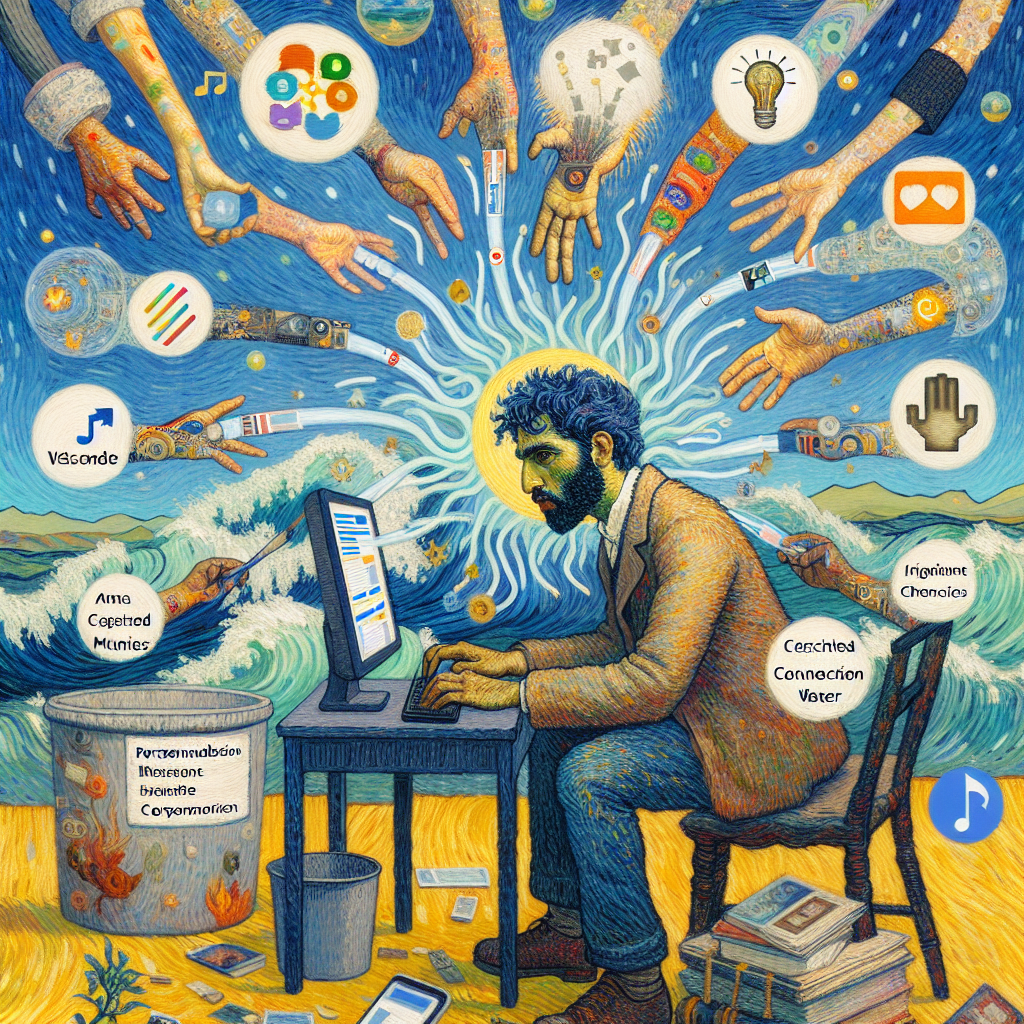
How Do Moving Elements Boost Engagement In Young Learners?
What Role Does Storytelling Play In Design for Kids?
Storytelling in design for kids isn’t just about crafting a product; it’s about weaving a tapestry of connections, imaginations, and emotions that resonate deep within the hearts and minds of young ones. Picture this: a child, wide-eyed and brimming with curiosity, engages with a toy that tells a story beyond its physical form. This design goes beyond mere aesthetics; it becomes a portal to adventure, sparking creativity and igniting dreams.
When a product embodies a narrative, it gives children a sense of agency—allowing them to explore various outcomes and build their own stories. This engagement cultivates critical thinking skills, helping them navigate complexities in a world that often feels chaotic. In this light, storytelling serves not just as an embellishment, but as an essential element that lays a foundation for cognitive and emotional development.
Consider the ethical dimensions of such design decisions. Crafting experiences that resonate with kids fosters responsibility in creators and brands alike. It’s no longer just about selling an item; it’s about nurturing young minds and guiding them through rich, imaginative experiences. Ethical storytelling encourages designers to ask crucial questions: What values are we imparting? How do we spark empathy and understanding in the next generation?
From the authority of research in child development to the social dynamics of shared experiences, storytelling enriches the interaction between the child and the product. Think about how kids share stories. Whether it’s recounting a thrilling adventure of their favorite character or creating new worlds with friends, storytelling permeates their social lives. Incorporating these narratives into design not only deepens their connection to the product but also facilitates interactions with peers, allowing imagination to flourish in communal spaces.
Furthermore, the digital realm offers endless opportunities to amplify this narrative experience. Websites and blogs have become platforms for sharing stories and experiences related to children’s design. By investing in storytelling, creators invite families into the conversation, forging a bond of trust. They empower parents and caregivers to feel confident in the choices they make for their children.
At the end of the day, embracing storytelling in design is about more than just making something kids will play with. It’s about crafting memories, instilling values, and building the foundation for a future where curiosity meets compassion. So let’s honor that spark in every child—design with heart, head, and gut, and watch the stories unfold.

What Role Does Storytelling Play In Design for Kids?
What Role Does Storytelling Play In Design for Kids?
- Storytelling in design for kids creates connections, imaginations, and emotions beyond just products.
- A narrative-driven design allows children to explore outcomes and develop their own stories, fostering critical thinking skills.
- Storytelling is essential for cognitive and emotional development, acting as a foundation for both.
- Ethical storytelling encourages designers to consider the values imparted and promotes responsibility in creating engaging experiences for children.
- Storytelling enriches interactions between children and products, enhancing their social experiences and peer interactions.
- The digital realm provides platforms for sharing stories, fostering trust and confidence among families regarding design choices.
- Ultimately, embracing storytelling in design fosters memories, instills values, and nurtures curiosity and compassion in children.

What Role Does Storytelling Play In Design for Kids?
How Do Collaborative Projects Foster Social Skills In Kids?
When we think about the growing world of collaborative projects, the impact on children’s social skills often comes to the forefront. Imagine a group of kids huddled around a table, brainstorming ideas like little engines revving up for a race. With their heads together, they’re not just putting together a project; they’re learning the delicate dance of communication and cooperation. These interactions spark something deep within, a connection that transcends mere words and transforms into empathy and understanding.
At the heart of these experiences lies an essential truth: kids naturally want to belong. Collaborative projects create a safe space for them to express their thoughts, negotiate differences, and, perhaps most importantly, listen. The act of working together—be it building a model, crafting a story, or solving a complex math problem—challenges them to adapt and grow socially. Each spirited debate about which approach to take or which role to assume teaches them about compromise and consensus. When children learn to navigate these complexities, they are not just preparing for their next academic challenge; they are acquiring life skills that will serve them in friendships, workplaces, and communities far beyond the classroom walls.
Here’s where the emotional punch lands: think back to your own childhood—how those formative experiences shifted your perspective. Those moments of collaboration, laughter, and sometimes tears, crafted your character. It’s that visceral experience that fosters trust and collaboration. When children work together, they form bonds that lead to enduring friendships, teaching them that everyone has something valuable to contribute.
Furthermore, the ethical underpinnings of collaboration are profound. Instilling a sense of responsibility within kids to share the spotlight encourages them to honor the contributions of others. On an authority level, parents and educators notice these benefits too, often reporting that children emerge from these projects not only more knowledgeable but also more compassionate individuals.
In a world becoming increasingly divisive, the ability to collaborate is a superpower. As these youngsters learn to navigate their differences, they are equipped to tackle adult life’s myriad complexities. Next time you’re tempted to overlook the value of collaborative projects in your community or local school, consider this: nurturing social skills in children is investing in the fabric of our society. So let’s cheer on collaboration—because every time a child works alongside another, we’re one step closer to a more connected world.

How Do Collaborative Projects Foster Social Skills In Kids?
How Do Collaborative Projects Foster Social Skills In Kids?
- Collaborative projects enhance children’s social skills through communication and cooperation.
- These interactions foster empathy and understanding among children.
- Kids naturally desire belonging, and collaborative projects provide a safe space for expression and listening.
- Working together on projects teaches children about compromise, consensus, and adapting socially.
- Collaboration creates bonds that can lead to lasting friendships and trust among peers.
- Children learn responsibility and the importance of honoring others’ contributions through collaboration.
- Nurturing social skills through collaboration prepares children for future complexities in life and strengthens community ties.

How Do Collaborative Projects Foster Social Skills In Kids?
What Ethical Lessons Can Be Learned Through Design?
In a world overflowing with choices, the design we encounter every day speaks volumes about our values and priorities. It’s more than just aesthetics; it’s a reflection of ethical decisions woven into the fabric of our daily lives. When we consider the designs around us—be it in a website, a product, or even a community initiative—we’re looking at embodiments of ideas that can either uplift or undermine the very essence of our shared humanity.
Take a moment to reflect on a blog that resonates with you. What draws you in is more than just catchy headlines or stunning visuals; it’s the underlying message. Behind every click, every scroll, lies an ethical query: “What responsibilities do we hold in the creation and consumption of this content?” This is where the heart, head, and gut unite. If designs prioritize transparency, inclusivity, and honesty, they foster trust, connect us deeply, and guide us toward more meaningful choices.
Think of the impact design can have. It has the power to shift paradigms and foster social change. For instance, when companies design with sustainability in mind, they’re not just selling products; they’re inviting us to participate in a larger narrative. They’re crafting experiences that remind us we’re part of a community—a shared journey toward a healthier planet. The designs that spark conversations about social justice, equity, or environmental responsibility encourage us to question our role in this world. We are compelled to act, to advocate for the changes we wish to see.
Moreover, let’s not forget the influence of authority in design. Organizations with ethical practices set a standard for peers and competitors alike. They lead by example, paving the way for innovations that respect both people and the planet. When a design holds itself accountable, it invites users into a continuous dialogue—proving that every choice counts, and each design holds the potential to inspire action and empathy.
So, the next time you encounter design—whether it’s a product on a shelf or a website linking you to fresh ideas—pause and consider the ethical lessons embedded in it. Embrace the choices that align with your values, and recognize that design is not just what meets the eye but what resonates with the heart, head, and gut. Engage with it, learn from it, and let it guide you toward a brighter, more connected future.

What Ethical Lessons Can Be Learned Through Design?
What Ethical Lessons Can Be Learned Through Design?
- Design reflects our values and priorities, going beyond aesthetics to include ethical decisions.
- Each design—whether in websites, products, or initiatives—embodies ideas that can uplift or undermine humanity.
- Quality content draws us in through underlying messages, raising ethical questions about our responsibilities in creation and consumption.
- Designs that emphasize transparency, inclusivity, and honesty foster trust and guide us toward meaningful choices.
- Design has the power to shift paradigms and encourage social change, particularly through sustainability initiatives.
- Organizations with ethical practices lead by example, promoting accountability and inspiring action through their designs.
- Embrace the ethical lessons in design and let it guide you toward a more connected future.

What Ethical Lessons Can Be Learned Through Design?
How Can Technology Empower Kids to Express Their Ideas?
Technology isn’t just gizmos and gadgets; it’s a bridge. Think of the kids in your life—those wide-eyed thinkers with dreams bubbling just beneath the surface. They want to share, they want to express, and often, they don’t know how. That’s where technology steps in like a trusted mentor, nudging them to turn thoughts into tangible creations.
Imagine a classroom buzzing with energy, where kids aren’t just passively consuming information but actively engaging with it. They’re crafting digital stories, producing podcasts, and designing websites that reflect their unique perspectives. This isn’t fluff; this is empowerment. When kids tap into technology, they dive into a reservoir of potential. They see that their ideas matter—they experience the thrill of creation firsthand.
Rationally speaking, fostering self-expression through technology hones essential skills. Writing and coding might seem worlds apart, but both require clarity of thought and the ability to communicate. Encouraging kids to articulate their visions fosters critical thinking and creativity—qualities that employers crave. Today’s workforce demands problem-solvers and innovators, and tech-savvy kids have the chance to become tomorrow’s leaders.
On the ethical front, we have a responsibility to equip our youth with the tools to voice their concerns, passions, and ideas. In an age where misinformation runs rampant, enabling kids to navigate the digital space with confidence is crucial. Teaching them how to discern credible sources and articulate their views builds a foundation for informed, ethical engagement in society. These are our future citizens, and by giving them a platform, we allow them to be part of the conversation instead of spectators.
When kids share their stories online, they connect with others, bridging geographical and cultural divides. A website or blog can transform a solitary thought into a community discussion, exposing youngsters to diverse viewpoints and nurturing empathy. This social aspect is vital—it’s the difference between feeling alone in your opinions and realizing you are part of a larger collective.
So, let’s empower them. Encourage your budding creators to harness technology as a tool of expression. Let them share their stories, connect with peers, and explore the vast digital landscape. It’s not just about technology; it’s about creating a generation that isn’t afraid to speak up, speak out, and make their mark on the world.

How Can Technology Empower Kids to Express Their Ideas?
How Can Technology Empower Kids to Express Their Ideas?
- Technology serves as a bridge for kids to transform their dreams into tangible creations.
- In a vibrant classroom, children engage with technology to create digital stories, podcasts, and websites.
- This hands-on experience empowers kids, allowing them to realize the value of their ideas.
- Encouraging self-expression through technology develops skills in writing, coding, critical thinking, and creativity.
- Teaching youth to navigate digital spaces responsibly fosters informed and ethical engagement in society.
- Sharing stories online helps children connect with diverse viewpoints, nurturing empathy and community.
- Empowering the next generation encourages them to confidently speak up and influence the world.

How Can Technology Empower Kids to Express Their Ideas?
What Challenges Do Kids Face When Learning Design?
When kids step into the world of design, they’re met with a landscape that’s both thrilling and daunting. Picture a young artist, full of big ideas, sitting in front of a blank canvas – that first brushstroke could lead to a masterpiece or a moment of paralyzing doubt. The struggle to translate imaginative thoughts into tangible results can feel overwhelming. They wrestle not just with tools and techniques but with the intangible weight of expectation—both their own and that of their peers.
Design is a language with no universal lexicon, and when children start learning it, they often find themselves in a sea of confusion. “Why is my project not as good as theirs?” they might wonder, looking at the polished creations of classmates. This evokes a visceral response, a gut-wrenching comparison that can stunt creativity. The emotional rollercoaster swings high and low, where pride and self-doubt coexist, making resilience a crucial trait to nurture.
Logically, kids need guidance to navigate this new terrain. Designing requires not just creativity, but critical thinking and problem-solving skills. They must learn to analyze their work and receive constructive criticism. But these lessons are double-edged swords; without support, feedback can feel like a personal attack rather than a pathway to improvement. This dichotomy stirs a complex mix of hope and fear, demanding both courage and perseverance.
Ethically, as facilitators of learning, we must create safe spaces where kids feel empowered to take risks without the fear of harsh judgment. This support can foster a community of young designers, where collaboration and shared experiences become the fabric of growth. The social element is vital; connecting with others helps them understand that everyone grapples with their own challenges.
An inspiring narrative emerges when kids begin to realize that failure is simply a stepping stone. They learn that perseverance can breed innovation and that every setback is just a stepping stone on the road to success. As they expose their ideas to the world and watch them evolve, a quiet confidence begins to bloom. This is the essence of learning design: overcoming obstacles armed with imagination, grit, and a supportive community.
By trusting in their journey and embracing both triumphs and trials, kids not only enrich their design skills but also cultivate resilience, empathy, and a fierce belief in their potential. As we guide them, let’s empower them to embrace the beautifully messy process of creativity, because in the end, it’s those very challenges that forge not just better designers but better individuals.

What Challenges Do Kids Face When Learning Design?
What Challenges Do Kids Face When Learning Design?
- Children entering design face a mix of excitement and fear, struggling with self-doubt and creative expectations.
- The pressure of comparison, especially to peers, can hinder their creativity and emotional state.
- Learning design involves developing critical thinking and problem-solving skills alongside creativity.
- Constructive criticism is essential but can be perceived negatively without proper support, leading to emotional confusion.
- Creating safe spaces for risk-taking is crucial for fostering collaboration and community among young designers.
- Children learn that failure is part of the creative process, leading to innovation and personal growth.
- Guidance should focus on empowering kids to navigate challenges, fostering resilience, empathy, and self-belief in their potential.

What Challenges Do Kids Face When Learning Design?
Conclusion
In a society rich with technological innovation, the need for creativity and expression has never been more prominent. Children, with their exponential potential for imagination, require tools that not only engage them but help them bridge the gap between thought and creation. Learning design through moving elements offers them just that—a canvas animated with life where their ideas flourish. This transformative process is about more than aesthetics; it empowers young minds to tell their stories, think critically, and solve problems while crafting experiences that spark joy and connection.
Think of that child poring over a drawing board; they’re not merely sketching—they’re embarking on a journey of self-discovery, utilizing design as a vehicle to articulate their feelings and insights. The emotional engagement this creative endeavor fosters can ignite a deep curiosity and a thirst for exploration, ultimately leading to a lifelong love of learning. When kids learn to manipulate color, form, and motion, they are not just creating static images but dynamic narratives that resonate with their peers and the world around them. They become active participants instead of passive consumers, reclaiming their authority through innovation.
Hands-on design projects tap into the emotional, rational, and ethical realms, marrying the thrill of creation with the essential skills of collaboration and critical thinking. Children learn valuable social skills as they engage with one another, negotiating ideas and celebrating each other’s contributions. They begin to understand that collaboration fosters a sense of belonging, teaching them the delicate balance between individual perspectives and collective efforts. Whether it’s through vibrant animations or collaborative crafting, children cultivate connections that transcend their immediate surroundings—laying the groundwork for communities rooted in trust and shared aspiration.
Moreover, the ethical dimension of design becomes increasingly relevant. As tomorrow’s leaders and innovators, today’s children possess the power to influence. Designers must consider the consequences of their creations, learning to prioritize inclusivity, sustainability, and empathy. This awareness transforms their approach from mere creation to thoughtful stewardship of ideas.
Ultimately, embracing design as a foundational skill empowers children not only to dream but to create, share, and collaborate. The vibrant world of design invites them to ignite their passion and claim their voice, ensuring that their ideas may light the way for future generations. Let’s cheer them on as they step bravely into their roles as architects of a dynamic, creative future. Harness their energy, support their journeys, and watch how the stories they craft illuminate paths leading us all toward a more vibrant world.

Conclusion
Conclusion:
- The importance of creativity and expression in a technologically innovative society is highlighted, especially for children.
- Design learning through movement offers children a dynamic canvas for their imaginative ideas and self-expression.
- Engaging in creative design fosters emotional connections and critical thinking, sparking curiosity and a lifelong love of learning.
- Children actively participate in their creativity, reclaiming their authority and moving away from passive consumption.
- Hands-on projects promote collaboration, negotiation of ideas, and a sense of belonging among children.
- Ethical considerations in design, such as inclusivity and sustainability, encourage children to be responsible creators and leaders.
- Embracing design as a foundational skill empowers children to dream, create, and illuminate paths for future generations.

Conclusion
Other Resources

Other Resources
Here is a list of other resources you can review online to learn more:
- Stockai.com
- Wellsaidlabs.com
- Predis.ai
- Small SEO Tools
- Writerly.ai
- Imagen-ai.com
- HostGator
- Compose.ai
- Resemble.ai
- Encharge.io
- Artbreeder.com
- Rokoko.com
- Typecast.ai
- Wonderdynamics.com
- Exo Platform
- Madgicx.com
- Valle-demo.github.io
- Wonsulting.com
Use This Prompt To Get More Resources With Your Favorite Online AI Tool: Please provide me with a list of online articles with their URLs in a bulleted list that I can read regarding How Kids Can Learn Design with Moving Elements

Other Resources
Glossary Terms
How Kids Can Learn Design with Moving Elements – Glossary Of Terms
1. Animation: The process of creating the illusion of movement by displaying a series of individual frames in rapid succession.
2. Interactivity: Engagement that allows users to actively participate in the design, often through clicking, dragging, or touching elements.
3. Storyboard: A sequence of drawings or images used to plan the visual sequence of an animation or interactive design.
4. Prototyping: Creating a preliminary model or version of a design to test concepts and functionality before final production.
5. User Experience (UX): The overall experience a person has when interacting with a product or design, focusing on usability, accessibility, and pleasure.
6. User Interface (UI): The means by which a user interacts with a digital product, including buttons, icons, and layout design.
7. Visual Hierarchy: The arrangement of elements in a design that guides the viewer’s attention based on their importance.
8. Motion Graphics: A combination of graphic design and animation that uses digital footage to create the illusion of motion.
9. Transition: The method of changing from one state to another in design, often involving animations that make the change smoother.
10. Feedback: Responses provided to users after actions they take, which can be visual, auditory, or tactile.
11. Scripting: Writing code to control the behavior of interactive elements in a design, often used in animations and games.
12. Iteration: The repeated process of refining and improving designs based on testing and feedback.
13. Accessibility: Designing products that can be used by people of all abilities and disabilities, ensuring inclusivity.
14. Engagement: The level of involvement and interaction users have with a design, often influenced by its interactivity.
15. Conceptualization: The process of generating and developing ideas for a design, identifying potential themes and styles.
16. Spatial Awareness: Understanding how objects occupy space and relate to one another, crucial for designing layouts with moving elements.
17. Timeline: A graphical representation of time used in animation to synchronize movements and events with specific durations.
18. Keyframe: A specific point in time within an animation where a certain position or value is defined, used to create motion between frames.
19. Storyboard Software: Digital tools used to create storyboards more efficiently, often including templates and animation functionalities.
20. Responsive Design: Creating layouts that adjust seamlessly across different devices and screen sizes maintain usability.
21. Gamification: Incorporating game design elements in non-game contexts to enhance engagement and motivation.
22. Design Thinking: A problem-solving approach that prioritizes empathy for users, creativity, and iterative testing in the design process.
23. A/B Testing: Comparing two versions of a design to see which performs better in terms of user engagement and effectiveness.
24. Intuition: The ability to understand how objects and interfaces should work based on user expectations and experiences.
25. Color Theory: The study of how colors interact and affect user perception, important for creating cohesive and appealing designs.
26. Simulation: A method of modeling real-world interactions in a controlled environment to understand design impacts before implementation.
27. Cinematics: The art of storytelling through visuals and motion, often used in arts, films, and interactive media.
28. Sensation: The way users perceive design elements through visual and auditory cues, influencing emotional responses.
29. Collaboration: Working together with others, often in a team, to share ideas and improve the design process.
30. Scalability: The ability for a design or system to maintain performance and usability when expanded or adapted to new contexts.

Glossary Of Terms
Other Questions
How Kids Can Learn Design with Moving Elements – Other Questions
If you wish to explore and discover more, consider looking for answers to these questions:
- What specific tools and platforms are recommended for kids to learn design with moving elements?
- How can parents support their kids in engaging with design projects at home?
- What age is best for introducing children to design concepts?
- Are there specific design skills that are particularly beneficial for children to learn early?
- How can educators incorporate moving elements into their teaching methods?
- What resources are available for kids to showcase their design projects online?
- What challenges might parents face when encouraging their kids to learn design?
- How can collaborative design projects be structured effectively in a classroom setting?
- What role does play have in the learning process of design for children?
- How can children’s design projects address social issues or community needs?
- What real-world applications are there for kids learning design skills?
- How can teachers assess children’s progress in learning design?

Other Questions
Haiku
How Kids Can Learn Design with Moving Elements – A Haiku
Children’s bright minds,
Crafting dreams through vibrant hues—
Design sparks their voices.

Haiku
Poem
How Kids Can Learn Design with Moving Elements – A Poem
In a world adorned with screens that shimmer bright,
Children gather, eyes ablaze with eager light.
Their hands sketch dreams that dance and leap,
In the realm of design, their passions run deep.
Not just a craft, but a voice set free,
Each moving image, a tale, a decree.
Through colors that swirl and stories that soar,
They learn to connect, to create, to explore.
With every animation, a lesson unfolds,
Empowering young hearts, breaking the molds.
Critical thinking ignites with each turn,
In the fires of creativity, young spirits burn.
Collaboration sparks like a lively flame,
Neighbors and friends, each sharing their name.
Through laughter and struggle, the bonds grow tight,
They learn to listen, to share their delight.
Yet challenges linger, doubts creep in,
As they measure their worth against peers’ polished skin.
But in every setback, resilience takes flight,
For each misstep is just a part of the fight.
Ethics entwined in the design they create,
Striving for a world where kindness resonates.
Through the stories they shape and the values they weave,
A tapestry of hope, a journey to believe.
So, let the children embrace the art of design,
In their hands lies the power, a future divine.
For in this creative chaos, both messy and grand,
They’ll shape a world where imagination takes stand.

Poem
Checklist
How Kids Can Learn Design with Moving Elements – A Checklist
Checklist for Unlocking Creativity Through Design
Emotional Appeals
_____ Encourage your child to express their feelings and thoughts through design, cultivating emotional literacy.
_____ Share stories of personal experiences related to design to inspire connection and empathy.
Rational Appeals
_____ Identify key skills your child will gain from hands-on design projects, such as problem-solving and critical thinking.
_____ Discuss the long-term benefits of a design mindset in fostering future professional opportunities.
Ethical Appeals
_____ Promote discussions about the ethical implications of design choices, encouraging kids to consider sustainability and inclusivity.
_____ Encourage projects that reflect community needs or address social issues, instilling a sense of responsibility and empowerment.
Authority Appeals
_____ Provide resources from reputable designers or educators that outline best practices in teaching design to inspire confidence in the learning process.
_____ Seek out workshops or online courses led by experts that parents can attend with their children.
Narrative Appeals
_____ Share inspirational stories of young designers who transformed their ideas into impactful creations.
_____ Encourage children to document their design journey through a blog or digital story, fostering their narrative skills.
Social Appeals
_____ Create opportunities for collaborative projects to stimulate teamwork and communication skills among peers.
_____ Organize design showcases where kids can present their work to family and friends, strengthening social connections and building confidence.
Gut Appeals
_____ Foster an environment where children can take risks in their designs without fear, encouraging resilience and the understanding that failure is part of the creative process.
_____ Remind children of the thrill of creation and hands-on work, reinforcing the joy of bringing ideas to life.
By using this checklist, you can help children not only develop their design skills but empower them to express their unique perspectives and ideas in a meaningful way.

Checklist
At WebsiteBloggers, we help website bloggers develop strategies to create content, traffic, and revenue from website blogs based on our experiences and experimentation.
Be sure to read our other related stories at WebsiteBloggers and share this article with your friends, family, or business associates who run website blogs.