The Evolution Of AI: Revolutionizing Web Design In Blogging
By Tom Seest
At WebsiteBloggers, we help website bloggers develop strategies to create content, traffic, and revenue from website blogs based on our experiences and experimentation.
Be sure to read our other related stories at WebsiteBloggers and share this article with your friends, family, or business associates who run website blogs.
Is AI and Web Design In Blogging
When you sit down to create a website blog, you might picture a blank canvas waiting for your brushstrokes of creativity. Now, enter AI—a powerful ally that promises to turn that canvas into a masterpiece. But before you rush to embrace this digital wizardry, let’s pause and consider: what does it really mean for both you and your audience?
Imagine for a moment the feeling of unlocking new potential. You’ve poured your heart into crafting compelling narratives or sharing insights that stir the soul. AI in web design can optimize this process, breathing new life into the mundane tasks of website management—like layout and responsiveness—allowing you to focus on what truly matters: the message you want to share with the world.
Think rationally about this. AI technology, efficiently parsing data and offering design elements that catch the eye, can elevate your blog’s aesthetics and functionality. With analytics and user experience in mind, it provides you with the tools to tailor your content to the very people who seek it. This isn’t just about digital fluff; it’s about connecting deeply with your readers, reaching them on a human level.
Ethically, you might grapple with the question: does relying on AI compromise authenticity? Here’s the truth: when employed responsibly, AI can enhance your voice without overshadowing it. It can meticulously adjust to your tone and style, ensuring your unique essence shines through while still being supported by robust design principles. That’s a partnership worth nurturing.
Think about the stories you tell—how each blog post could resonate with a reader seeking guidance, laughter, or solace. This is where the emotional appeal of AI comes into play. It’s about magnifying your outreach, ensuring that your words don’t just remain whispers in the void but echo through the digital world. When your website blog is crafted with precision and ease, your ideas can spread like wildfire.
And let’s not forget the social aspect. In a time when connection often feels fleeting, building a community around your blog can be a lifeline. AI can aid this quest by analyzing user interactions, helping you understand what resonates and what falls flat. Knowing your audience isn’t just data; it’s building relationships, encouraging trust, and inspiring action. Let AI be your compass, guiding your journey toward a website blog that doesn’t just exist—but thrives.

Is AI and Web Design In Blogging
Is AI and Web Design In Blogging
- Creating a website blog allows for creative expression, with AI acting as a helpful tool to enhance this process.
- AI can streamline mundane tasks like layout and responsiveness, enabling focus on meaningful messaging.
- Utilizing AI technology improves blog aesthetics and functionality, tailoring content to audience needs.
- There are ethical considerations regarding authenticity when using AI, but it can enhance your unique voice if used responsibly.
- AI magnifies outreach, ensuring that your blog posts connect emotionally with readers and resonate widely.
- Social connection is vital; AI can analyze user interactions to foster community and build relationships with your audience.
- Embrace AI as a partner to create a thriving website blog that goes beyond mere existence.
Is AI and Web Design In Blogging
Table Of Contents
- Is AI and Web Design In Blogging
- What Emotions Do We Experience When Engaging With AI In Design?
- How Does AI Enhance Our Creativity In Web Design And Blogging?
- What Ethical Dilemmas Arise From Using AI In Creative Fields?
- Can AI Truly Understand The Essence Of Storytelling In Blogging?
- How Much Authority Should AI Have In Shaping Our Online Presence?
- In What Ways Can AI Augment Human Intuition In Web Design?
- Do We Trust AI-Generated Content Over Human-Created Narratives?
- Conclusion
- Other Resources
- Glossary Of Terms
- Other Questions
- Haiku
- Poem
- Checklist
What Emotions Do We Experience When Engaging With AI In Design?
When we dive into the world of AI in design, emotions churn like a well-mixed paint palette. At first glance, there’s a spark of excitement—a thrill, really. This technology, capable of conjuring up ideas at lightning speed, feels almost like magic. It’s the heart racing at the potential of innovation, the intrigue of collaborating with something that seems, at times, more intelligent than we are. This connection can ignite a creative fire within us, deadening the constant hum of self-doubt that often lingers at the edge of our creative processes.
Yet, as we navigate this landscape, a sense of anxiety can creep in, gnawing at our instincts. Questions bubble to the surface: Are we simply tools in a machine’s hands? Have we handed over our design autonomy to algorithms? When engaging with AI, we may feel torn between the thrill of technological advancement and the ethical responsibility that weighs heavy on our shoulders. Every keystroke and click feels like a step into uncharted territory, one where the lines between human and machine blur.
In these moments of uncertainty, stories emerge as our guiding lights. Consider the narrative of a designer who embraced AI as a collaborator rather than a competitor. Through this lens, we see that AI can empower creativity, enhancing our ability to tell intriguing stories through design. The heart finds solace in those tales, recognizing that while we might share our spotlight with AI, the essence of our creativity remains uniquely human.
In social settings, dialogue around AI in design sparks camaraderie. Designers gather in virtual spaces, sharing experiences and advice on how to coexist with these new tools. This community serves as a safety net, an authority figure reminding us that we’re not alone in our exploration of this brave new world. When we engage together in discussions—whether on a vibrant website or through insightful blog posts—we cultivate trust and inspire actionable steps toward a future where technology and creativity harmonize.
As we edge closer to a future with AI, let’s embrace the emotional journey it offers—a blend of exhilaration, fear, and unity. By fostering a connection with these tools, we can unlock new dimensions of creativity, all while nurturing the ethical foundations that keep our work genuine and our purpose clear. It’s about harnessing the power of AI to elevate our craft, knowing that at the end of the day, our creativity comes from a place deeply rooted in human experience.

What Emotions Do We Experience When Engaging With AI In Design?
What Emotions Do We Experience When Engaging With AI In Design?
- The integration of AI in design evokes a mix of excitement and anxiety.
- This technology can inspire creativity and alleviate self-doubt.
- Concerns arise about relinquishing design autonomy to algorithms.
- Stories of designers using AI as a collaborator highlight its empowering potential.
- Communities of designers sharing experiences foster a sense of camaraderie.
- Engaging in dialogue about AI promotes trust and actionable insights.
- Embracing the emotional journey of AI can unlock new creative dimensions while maintaining ethical integrity.

What Emotions Do We Experience When Engaging With AI In Design?
How Does AI Enhance Our Creativity In Web Design And Blogging?
In an age where both websites and blogs flood the digital landscape, standing out is more important than ever. Yet, the tools we use to create can often feel like they do the heavy lifting, leaving our creative instincts gathering dust in the corner. But what if I told you that AI isn’t here to replace us? Instead, it acts as a partner—transforming our visions into something tangible, something that resonates.
Imagine sitting down at your computer, the blinking cursor awaiting your thoughts, while AI buzzes around like a digital assistant ready to turbocharge your creativity. From suggesting color palettes that invoke feelings to generating blog topics that spark interest and engagement, AI serves as inspiration’s best friend. It taps into a vast repository of data, recognizing patterns and trends that we might overlook amid our whirlwind lives. This is not just about efficiency; it’s about unlocking new realms of imagination and creativity we didn’t know existed. As a result, every blog post you write and every website you design can become a remarkable tapestry woven with your personal touch and enriched by AI’s intelligent insights.
Now, let’s get real for a second. There are ethical considerations here, and it’s crucial to navigate this territory thoughtfully. Utilizing AI can elevate our work, but it should complement our human perspective, not overshadow it. The richness of a website or the authenticity of a blog comes from the emotion and experience we bring to the table. This technology enhances our capabilities, not diminishes them.
We must also acknowledge how connected we are in this digital world. Social dynamics play a role in crafting experiences that resonate, and AI understands this intimately. It analyzes audience behavior and preferences, allowing us to tailor our content accordingly—making our words not just seen, but felt.
Let’s not shy away from this evolution. Embrace the partnership AI offers, plunge into the stunning, chaotic world of creativity, and find your unique voice amidst the noise. You’ll be armed with tools that allow not just for personal expression, but for building connections with readers worldwide. So, let’s roll up our sleeves, dive in headfirst, and create works of art that elevate our websites and blogs into something magical. Every click can be a canvas, waiting for your stroke of genius.
How Does AI Enhance Our Creativity In Web Design And Blogging?
How Does AI Enhance Our Creativity In Web Design And Blogging?
- In a crowded digital landscape, standing out is essential for websites and blogs.
- AI acts as a creative partner, enhancing our abilities rather than replacing us.
- AI can inspire creativity by suggesting design elements and generating engaging content ideas.
- The technology helps unlock new levels of imagination based on data patterns and trends.
- It’s important to balance AI use with authentic human emotion and experience in our work.
- AI analyzes audience behavior, enabling us to tailor content for deeper connections.
- Embracing AI partnership allows for unique personal expression and broader engagement with readers.

How Does AI Enhance Our Creativity In Web Design And Blogging?
What Ethical Dilemmas Arise From Using AI In Creative Fields?
In the ever-evolving landscape of creativity, the introduction of artificial intelligence raises profound ethical dilemmas that tug at our hearts and challenge our understanding of artistry. Picture this: an artist pours their soul onto canvas, each brushstroke echoing a lifetime of experiences, joys, and struggles. Now, imagine a machine generating images that are visually stunning but lacking in the human touch. This raises an uncomfortable question: can a cold algorithm ever grasp the warmth of human emotion?
Digging deeper, we confront the rational aspect of this dilemma. AI can replicate styles, churn out ideas, and even assist in crafting mesmerizing music. But does efficiency trump authenticity? If a computer can produce a bestselling novel overnight, should we celebrate its prowess or lament the loss of individuality? This conflict between the marvels of technology and the essence of human creativity is staggering. The risk lies not in AI’s ability but in our acceptance of its role in shaping what is considered “art.”
Ethically, this chasm widens. As creators, we have long held the belief that originality is paramount. Yet, when AI algorithms are fed endless data of human-created art, are we not diluting the very concept of creativity? It’s akin to a chef mimicking a beloved recipe without ever tasting the nuances that make it special. This mechanization of creativity stirs unease in the gut—who owns the rights to an AI-generated masterpiece, and who benefits from it? Are we relinquishing our narratives to machines, surrendering our stories to lines of code?
On a broader scale, societal implications loom large. In a world where technology increasingly dictates our culture, how do we preserve the unvarnished beauty of the human experience? The connection between creator and audience, the understanding that art can heal and inspire, risks being overshadowed by a flood of automated creations.
Navigating these dilemmas calls for thoughtful conversation and critical introspection. We must find balance, recognizing the tools that AI provides while fiercely guarding the emotional core of creativity. Our stories deserve to be told by human hearts and hands, not just programmed parameters. Embracing this challenge is not just an artistic imperative; it’s a social responsibility, as we strive to protect the essence and the soul of what it means to create.
What Ethical Dilemmas Arise From Using AI In Creative Fields?
What Ethical Dilemmas Arise From Using AI In Creative Fields?
- The introduction of artificial intelligence (AI) in creativity raises ethical dilemmas affecting our understanding of artistry.
- AI can generate impressive artwork, but debates exist on whether it can capture genuine human emotion.
- Efficiency in producing art or literature through AI challenges the idea of originality and individual expression.
- AI’s role in creativity poses questions about ownership rights of AI-generated works and the dilution of artistic individuality.
- The influence of technology on culture may overshadow the deeper human experience and connection in art.
- Addressing these issues requires a balance between utilizing AI tools and preserving the emotional essence of creativity.
- Protecting the core of human creativity is both an artistic and social responsibility as we navigate the complexities of AI in art.

What Ethical Dilemmas Arise From Using AI In Creative Fields?
Can AI Truly Understand The Essence Of Storytelling In Blogging?
In today’s digital landscape, we find ourselves at a curious crossroads where technology meets the human spirit. The realm of blogging, once a canvas for personal expression, has seen a rise in artificial intelligence—machines processing words at lightning speed, generating content that mimics the written word. But here’s the million-dollar question: Can AI truly grasp the essence of storytelling?
When you sit down to write a post on your website blog, what drives you? It’s that whisper of a connection, the urge to speak to someone out there who might be feeling the same way you do. Storytelling is a deeply human endeavor; it’s about sharing experiences, emotions, and insights that resonate with others. It’s our unique lived experiences that breathe life into our words. While AI can churn out text that follows grammar rules and structure, can it capture the quirk in your grandmother’s laugh or the smell of rain on a hot pavement? Can it evoke that bittersweet nostalgia for moments we might take for granted? The answer is a firm no.
Let’s break it down. When you write, there’s a gut-level intuition informing your choices—the rhythm of your sentences, the weight of a well-placed metaphor. This intuitive narrative connects with readers on a visceral level, allowing them to feel rather than just understand. It’s an exchange that blurs the lines between writer and reader, igniting empathy and shared humanity. This is something AI simply cannot replicate.
Moreover, consider the ethical implications. If a machine takes the reins of storytelling, we risk losing authenticity. Who are we allowing to shape our narratives? Do we trust algorithms with our emotions and experiences? The authority of a human storyteller comes not just from their expertise or wisdom, but from their vulnerability—the willingness to expose their scars and triumphs. This is why we relate to each other; it’s what makes us deeply human, and that experience can’t be algorithmically generated.
So, as we navigate this evolving landscape, let’s not forget the heart of storytelling. It’s not about facts or data; it’s about connection. Your stories matter. Your voice matters. Embrace the power that comes from sharing your narrative, and invite others to share theirs, too. After all, the beauty of blogging lies not just in the words themselves, but in the rich tapestry of lives they weave together.
Can AI Truly Understand The Essence Of Storytelling In Blogging?
Can AI Truly Understand The Essence Of Storytelling In Blogging?
- The intersection of technology and human expression is evident in today’s digital landscape, particularly in blogging.
- AI has the capability to generate text rapidly, but it struggles to capture the essence of authentic storytelling.
- Human writers are driven by the desire to connect and share experiences that resonate emotionally with others.
- Storytelling involves intuition and personal experiences that AI cannot replicate, such as unique memories and feelings.
- The relationship between writers and readers fosters empathy and shared humanity, which is lost with AI-generated content.
- Ethical concerns arise when machines take over storytelling, threatening authenticity and emotional connection.
- The true essence of storytelling lies in personal narratives and the connections they create, highlighting the importance of the human voice.

Can AI Truly Understand The Essence Of Storytelling In Blogging?
How Much Authority Should AI Have In Shaping Our Online Presence?
Imagine for a moment that our digital lives are like a sprawling garden, filled with various plants—each one representing an aspect of our personality, our interests, and our passions. Now, picture AI as the gardener, equipped with advanced algorithms and the ability to shape our presence online. It’s a remarkable concept, but it also raises a critical question: how much authority should we give this gardener?
Picture yourself scrolling through your favorite website or blog. Each post reflects the essence of who you are, your thoughts, and your experiences. Yet, as AI tools curate what we see, shaping our narratives, are we allowing technology to prune our diversity into a uniform hedge? This isn’t just a tech debate; it’s about who we are and how we connect in this vast digital landscape. The heart pangs when we consider that a machine, devoid of feeling, might have the power to determine our worth, our relevance, and our voice online.
From a rational standpoint, we know that AI can optimize our experience, promoting engagement and connection. But at what cost? While algorithms can analyze data to suggest content, they can’t understand the nuances of human emotion or ethics. When we let AI wield too much authority, we risk losing the authenticity that makes our online presence unique. We have to ask ourselves: Are we comfortable with a digital gardener who only prunes and never plants?
Ethically, we ought to foster a more balanced relationship with AI—a partnership rather than a dictatorship. Consider the times you felt genuinely moved by a post or a comment. Those moments are forged through human connection, through shared experiences and emotions. They aren’t the results of clicks and likes generated by an algorithm trying to anticipate our whims.
Let’s draw from personal narratives. Many of us have stories that define us—stories of struggle, triumph, and humanity. If AI shapes these tales, can we trust it to tell them authentically? Our online presence should reflect our soul, not just our data. So, let’s take a stand. Engage, question, and reclaim your narrative. Don’t let AI define you. Rather, use it as a tool to highlight the richness of your existence, making that garden bloom with the diversity of every unique voice. After all, it’s our lives, our stories—let’s ensure they are told the way we intend.
How Much Authority Should AI Have In Shaping Our Online Presence?
How Much Authority Should AI Have In Shaping Our Online Presence?
- Our digital lives resemble a garden, representing aspects of our personality, interests, and passions.
- AI acts as the gardener, shaping our online presence through advanced algorithms.
- The authority given to AI raises questions on preserving diversity and authenticity in our narratives.
- While AI can optimize online experiences, it lacks understanding of human emotion and ethics.
- A partnership approach with AI is essential to balance its influence in our digital lives.
- Personal stories define our online identity, necessitating authenticity over algorithmic interpretation.
- We should engage with AI responsibly, using it as a tool to enhance our unique voices and experiences.

How Much Authority Should AI Have In Shaping Our Online Presence?
In What Ways Can AI Augment Human Intuition In Web Design?
Picture this: a web designer hunched over their screen, the glow of pixels dancing in their eyes. They’re laboring away, channeling years of hard-won intuition into each pixel and format. Enter AI—an unseen ally that helps bridge the gap between creativity and logic. Here’s where it gets interesting: AI doesn’t just automate mundane tasks; it collaborates, enhances, and empowers.
Think of it as the sidekick you didn’t know you needed. With a vast database of user behaviors and design trends, AI can analyze data at lightning speed. This isn’t just cold computation; it’s a treasure chest brimming with insights. Designers can harness this information, allowing them to make informed decisions and elevate their artistry. It’s like having a seasoned mentor whispering in your ear, guiding your instincts toward a more user-centric layout.
Imagine a community of designers who can lean on AI for inspiration, testing approaches that seem bold and daring. Data doesn’t just crunch numbers; it tells stories. It reveals the nuances of user engagement that may elude even the most experienced designers. Every click, every linger, every scroll—these are the tales of human experience, and AI helps decode them. The designers are not alone; they’re part of an evolving conversation.
Empirical evidence supports this synergy. Studies show that websites designed with AI insights lead to improved engagement and satisfaction. When users feel understood, they’re more likely to stick around, share their experiences, and return. In a world where competition is fierce, this boost in retention isn’t just smart; it’s essential.
But here’s where the heart of the matter lies: ethics. Trust is a fragile thing, especially online. With AI at their side, designers have an ethical obligation to create sites that prioritize transparency and accessibility. It’s not just about making things pretty; it’s about making them meaningful. Engaging with AI responsibly cultivates design practices that resonate with users and prioritize their needs, forging lasting connections.
So, as you embark on your web design journey, remember that embracing AI doesn’t diminish the touch of human intuition; it enhances it. Together, they dance a delicate waltz—where creativity meets clarity, intuition finds strength in data, and every pixel shines with purpose. Embrace this partnership, and watch as your web design efforts transform into experiences that truly matter.
In What Ways Can AI Augment Human Intuition In Web Design?
In What Ways Can AI Augment Human Intuition In Web Design?
- Web designers use intuition and creativity while collaborating with AI for enhanced design.
- AI acts as a supportive ally, analyzing user behaviors and design trends for informed decision-making.
- Designers leverage AI insights to create user-centric layouts and improve their artistry.
- AI democratizes inspiration among designers, aiding in the testing of bold approaches.
- Data reveals important user engagement stories, helping designers identify trends and preferences.
- Ethics play a crucial role; designers must prioritize transparency and accessibility when using AI.
- Embracing AI enhances human intuition in design, creating meaningful user experiences.

In What Ways Can AI Augment Human Intuition In Web Design?
Do We Trust AI-Generated Content Over Human-Created Narratives?
In a world increasingly shaped by technology, we find ourselves standing at the intersection of human creativity and artificial intelligence. This poses a fundamental question: Do we trust AI-generated content more than the narratives crafted by our fellow humans?
Imagine sitting around the dinner table, sharing stories with friends and family. Each tale is laced with personal experiences, triumphs, and heartaches. These narratives evoke laughter, tears, and a sense of shared understanding. That’s the magic of human storytelling. But now, with algorithms spitting out content in a matter of seconds, it’s easy to think, “Hey, maybe this AI stuff can do the job just as well.”
Let’s take a moment to engage the gut. When was the last time an algorithm comforted you in a tough time? Or a program helped you celebrate a hard-earned victory? It’s the warmth of human connection that lingers in our hearts far more than the cold efficiency of a machine. While AI can articulate, it lacks the blood, sweat, and tears that come from lived experiences. Here’s the rub: trust isn’t built on mere data; it’s forged in the fires of authenticity.
Now let’s bring in the rational side. AI-generated content is precise, efficient, and often unbiased. It can analyze vast amounts of data to provide insights quicker than any human ever could. But does that mean it’s always the best choice? Not necessarily. The wisdom we glean from the messiness of human life—our quirks, our imperfect decisions—shapes our ethical compass. When that AI-generated blog on a tough issue falls flat because it missed the human element, it becomes a reminder that some things, including trust, are better left to us.
On a broader level, consider our responsibilities as both consumers and creators. There’s an ethical obligation to support authentic voices, especially when the digital landscape can feel increasingly impersonal. Engaging with human-created narratives fosters a community where we celebrate creativity and vulnerability. So, as you navigate the endless sea of content online, take a moment to reflect: What resonates with you on a deeper level? The crisp precision of a machine or the messy truths of a fellow human?
Trusting AI-generated content is a choice—one that should come with discernment. Building connections through our stories is what makes us distinctly human, after all. Embrace that connection and let your choices reflect the heart behind the narratives, whether they’re crafted by a human hand or a line of code.

Do We Trust AI-Generated Content Over Human-Created Narratives?
Do We Trust AI-Generated Content Over Human-Created Narratives?
- We are at the intersection of human creativity and artificial intelligence (AI).
- Human storytelling evokes emotions and shared understanding, unlike AI-generated content.
- AI lacks the warmth and authenticity derived from lived human experiences.
- Trust is built on authenticity, not just data provided by machines.
- While AI is efficient and unbiased, it may miss the human element in complex issues.
- There is an ethical obligation to support authentic human voices in the digital landscape.
- Trusting AI-generated content should be a discerning choice, valuing human connection.
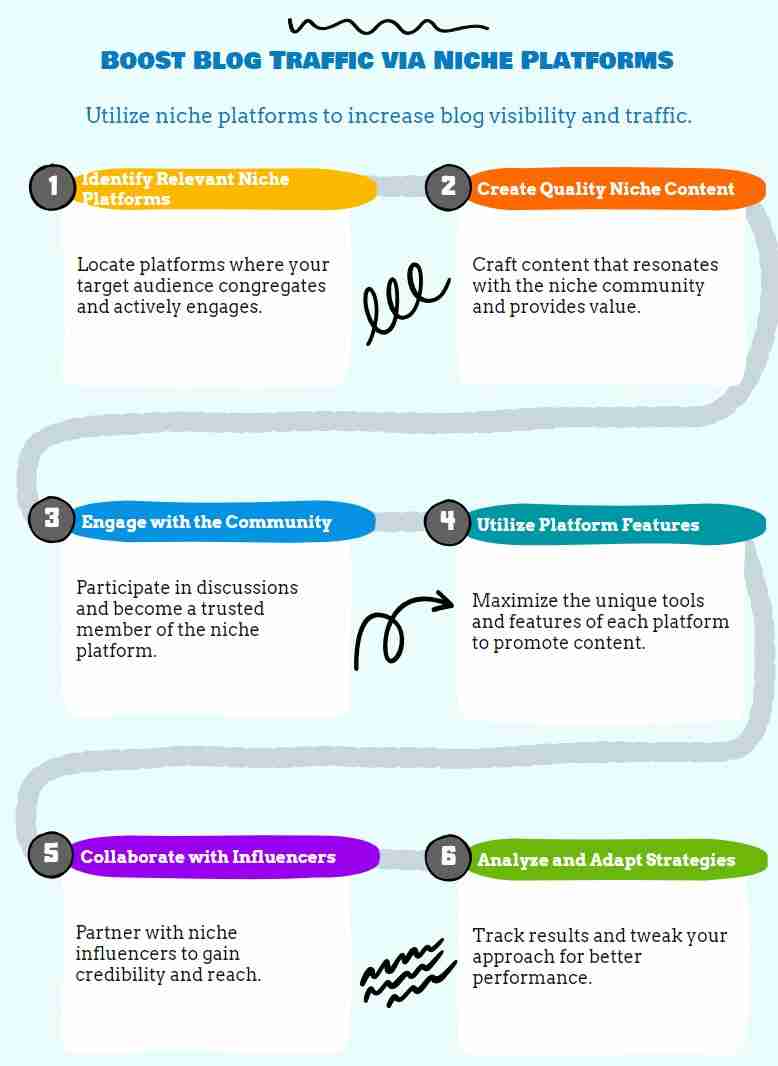
Do We Trust AI-Generated Content Over Human-Created Narratives?
Conclusion
In an era increasingly shaped by AI, the interplay between technology and human creativity offers a transformative opportunity for those looking to make their mark in the world of web design and blogging. Imagine sitting before that blank canvas of your blog, where every pixel and paragraph represents a chance to connect. AI emerges not as a replacement for your creativity but as a powerful collaborator, one that can lighten the load of tedious tasks and allow you to dive deeper into what you love: storytelling.
Embrace the palpable excitement this partnership brings. AI promises to unlock new levels of creativity, suggesting design elements that catch the eye and tailoring your content to resonate with your audience. It provides data-driven insights that promise to enhance user experiences while you retain the essence of your unique voice. Every interaction with your readers becomes richer, fostering a sense of community that often feels rare in our fast-paced digital world.
Yet, this collaboration raises essential questions about authenticity. Can we trust AI to convey our narratives genuinely? It’s crucial to engage ethically with this technology, ensuring that while it refines our work, it doesn’t overshadow the human experiences that inform our creativity. Think of the narratives we share—the laughter, the tears, the triumphs. These are the touchstones of connection, resonating far more profoundly than any algorithm-generated text ever could.
Moreover, consider the gut-level reactions that arise when we engage with AI versus human-created content. A well-crafted story often stirs emotions in ways that mere data cannot. It’s the authenticity of lived experience that builds trust and fosters connection — the warm embrace of shared humanity stands in stark contrast to cold efficiency.
As you navigate this evolving landscape, remember: the heart of creativity lies in our personal stories. Let AI serve as your assistant, enhancing your contributions without diluting their intrinsic value. Your unique perspective is irreplaceable, and while technology can augment your abilities, it is ultimately your voice that resonates most with the world. Control your narrative, embrace the partnership, and watch as your digital garden flourishes into something extraordinary. The future of web design and blogging is bright — let’s cultivate it with intention, creativity, and authenticity.
Conclusion
Conclusion:
- The synergy between AI and human creativity offers transformative opportunities in web design and blogging.
- AI is a powerful collaborator, alleviating tedious tasks to allow deeper engagement in storytelling.
- This partnership can unlock new creative potentials, suggesting design elements and tailoring content for audiences.
- Data-driven insights from AI enhance user experiences while maintaining the unique voice of the creator.
- Authenticity is vital; ethical engagement with AI is crucial to preserve genuine human experiences in storytelling.
- Emotions and connections fostered by human narratives surpass the capabilities of algorithm-generated content.
- Embrace AI as an assistant that enhances your contributions, letting your unique perspective be the primary focus in your creative endeavors.

Conclusion
Other Resources
Other Resources
Here is a list of other resources you can review online to learn more:
- Getimg.ai
- Sudowrite
- Dezgo.com
- Content Row
- Taskade.com
- Engati.com
- AddToAny
- Deepagency.com
- Elicit.org
- Ailabtools.com
- Blog Ideas Generator
- Leonardo.ai
- Chord.ooo
- Woxo.tech
- Spotalike.com
- Scale.com
- WordPress
- Instantart.io
- Aimultiple.com
- Netguru.com
Use This Prompt To Get More Resources With Your Favorite Online AI Tool: Please provide me with a list of online articles with their URLs in a bulleted list that I can read regarding Is AI and Web Design In Blogging

Other Resources
Glossary Terms
Is AI and Web Design In Blogging – Glossary Of Terms
1. AI (Artificial Intelligence): The simulation of human intelligence processes by machines, especially computer systems, including learning, reasoning, and self-correction.
2. Web Design: The process of planning, conceptualizing, and arranging content intended for the internet, focusing on aesthetics and usability.
3. Blogging: The act of writing and maintaining a digital journal or website where individuals or groups share their ideas, experiences, and expertise.
4. Responsive Design: An approach to web design that makes web pages render well on a variety of devices and screen sizes.
5. User Interface (UI): The space where interactions between humans and machines occur, focusing on the design of screens, buttons, and other elements.
6. User Experience (UX): The overall experience a user has when interacting with a product, especially in terms of how enjoyable or effective it is.
7. Content Management System (CMS): A software application used to create, edit, manage, and publish digital content, often without requiring specialized technical knowledge.
8. SEO (Search Engine Optimization): The process of optimizing a website to increase its visibility in search engine results, improving organic traffic.
9. Algorithm: A set of rules or processes to be followed in calculations or problem-solving operations, often used in the context of search engine ranking.
10. Natural Language Processing (NLP): A branch of AI that focuses on the interaction between computers and humans through natural language.
11. Machine Learning: A subset of AI that enables systems to learn and improve from experience without being explicitly programmed.
12. Chatbot: A software application that mimics human conversation through textual or verbal interactions, often used for customer support or engagement.
13. Visual Hierarchy: The arrangement of elements in a way that prioritizes the most important information, guiding users on where to look first.
14. Wireframe: A schematic or blueprint of a webpage, outlining the structure and essential functions without focusing on design details.
15. Prototype: An early sample or model of a product used to test and validate ideas before final production.
16. A/B Testing: A method of comparing two versions of a webpage or app to determine which one performs better with users.
17. Analytics: Tools and processes for collecting and analyzing data regarding user behavior and engagement with a website or application.
18. Conversion Rate: The percentage of website visitors who complete a desired action, such as signing up for a newsletter or making a purchase.
19. Branding: The process of creating a unique identity for a product, service, or company through design elements, messaging, and visuals.
20. Accessibility: The practice of making web content usable for individuals with disabilities, ensuring equal access to information.
21. Digital Marketing: The promotion of products or services using digital channels to reach consumers, including social media, email, and websites.
22. Interaction Design: The design of the interaction between users and products, focusing on creating engaging experiences.
23. E-commerce: The buying and selling of goods or services over the internet, often facilitated by specific platforms or websites.
24. Graphic Design: The art of creating visual content to communicate messages, using typography, imagery, and layout techniques.
25. Brand Voice: The consistent expression of a brand’s personality through tone, style, and messaging across all communications.
26. Social Proof: A psychological phenomenon where people assume the actions of others in an attempt to reflect correct behavior in a given situation.
27. Lead Generation: The process of attracting and converting prospects into potential customers for a business’s products or services.
28. Content Strategy: A plan for managing content creation, publication, and governance to achieve specific business goals and engage target audiences.
29. User Testing: The process of observing real users as they interact with a product or website to identify pain points and areas for improvement.
30. Friction: Any obstacle or barrier in the user experience that may hinder users from achieving their goals on a website or application.

Glossary Of Terms
Other Questions
Is AI and Web Design In Blogging – Other Questions
If you wish to explore and discover more, consider looking for answers to these questions:
- What specific tools and technologies are available for integrating AI in web design and blogging?
- How can AI impact SEO and content visibility for blogs?
- What are some success stories of bloggers using AI to enhance their content?
- What limitations should users be aware of when using AI in their creative processes?
- How do different AI algorithms compare in their effectiveness for web design?
- What steps can bloggers take to maintain their authentic voice while using AI tools?
- How does AI influence user engagement metrics for blogs?
- What are the potential risks of over-reliance on AI in content creation?
- How do audiences perceive AI-generated content versus human-created narratives?
- What future trends can we expect in AI and web design for blogging?
- How do ethical considerations regarding AI change as technology evolves?
- What role does human intuition still play in the design process when using AI?
- How can community feedback improve AI-generated content?
- What measures can be taken to ensure ethical AI use in web design?

Other Questions
Haiku
Is AI and Web Design In Blogging – A Haiku
AI paints the canvas,
Melding art and human heart,
Stories bloom, not fade.

Haiku
Poem
Is AI and Web Design In Blogging – A Poem
In a world where silence falls on a vast digital sea,
Behold the canvas waiting, yearning to be free.
AI whispers softly, promises to ignite,
Transforming bland potential into visuals bright.
Let your heart awaken, let creativity flow,
As algorithms blend with the stories you know.
A dance of human essence entwined with machine,
Artistry flourishes where once stood a screen.
Efficiency beckons, urging us to race,
Yet pause for the warmth of the human embrace.
In design’s ethereal cloak, ethics must shine,
For authenticity thrives where passion aligns.
Engage with your readers, build a bridge of trust,
In a fleeting connection, it’s connection we must.
AI as a helper, not a thief in the night,
Augments but never overshadows your light.
Embrace the questions, the fears that arise,
In seeking the truth, allow doubt to advise.
The essence of storytelling, raw and so real,
Is found in our journeys, the emotions we feel.
Let not the machine dictate the paths that you take,
For every shared story, our souls are at stake.
Our narratives rich, woven from heartstrings and pain,
In this tapestry, unity must still remain.
So dive into this world, where AI’s a hand,
But the heart of creation, with wisdom, must stand.
Together we flourish, both human and code,
Crafting futures in harmony, as life’s stories unfold.

Poem
Checklist
Is AI and Web Design In Blogging – A Checklist
AI in Web Design and Blogging: Emotional, Rational, and Ethical Checklist
Emotional Appeals
_____ Reflect on how using AI could elevate your creative process and amplify your voice in blogging.
_____ Consider the emotional impact of your stories—how can AI help you connect on a deeper level with your audience?
_____ Identify moments in your blogging journey where technology enhanced your emotional expression rather than distracting from it.
Rational Appeals
_____ Analyze the efficiency AI brings to design tasks—what specific areas can it improve in your blog?
_____ Review analytics data to understand your audience better and enhance user experience.
_____ Assess the potential functionality improvements AI can offer to optimize your website design.
Ethical Appeals
_____ Reflect on the authenticity of your content when using AI—does it complement or overshadow your individual voice?
_____ Consider how you will maintain creative control over your work when integrating AI tools.
_____ Evaluate the ethical implications of AI-generated content—are you willing to prioritize human narratives over automated ones?
Authority Appeals
_____ Seek advice from experienced bloggers or designers who successfully integrate AI into their strategies.
_____ Research case studies illustrating the benefits of AI in web design and blogging.
_____ Engage in discussions with peers about the balance of AI use in creative fields.
Narrative Appeals
_____ Share a personal story where AI positively influenced your creative journey—how did it enhance your narrative?
_____ Document a case where technology created tension or ethical dilemmas in your work.
_____ Explore stories of other creators who struggled against the cold efficiency of AI and how they reclaimed their authenticity.
Social Appeals
_____ Join online communities focused on AI in design—what insights can you gain from collective experiences?
_____ Foster relationships with your audience by using AI insights to tailor content that resonates with them.
_____ Encourage conversations around AI usage in creativity—what social implications arise from relying on technology for self-expression?
Checklist
At WebsiteBloggers, we help website bloggers develop strategies to create content, traffic, and revenue from website blogs based on our experiences and experimentation.
Be sure to read our other related stories at WebsiteBloggers and share this article with your friends, family, or business associates who run website blogs.