
Maximizing Blog Reach: Engaging AI, Empowering Readers
By Tom Seest
At WebsiteBloggers, we help website bloggers develop strategies to create content, traffic, and revenue from website blogs based on our experiences and experimentation.
Be sure to read our other related stories at WebsiteBloggers and share this article with your friends, family, or business associates who run website blogs.
How to Optimize Blog Posts for AI Engine Discovery
In the digital landscape of today, your website blog is more than just a collection of articles; it’s an opportunity to craft connections that matter. If you want your words to resonate, they need to be optimized for AI engines. Why? Because these algorithms are the gatekeepers to your audience, the ones who determine whether your insights reach the eyes and minds of those who need them most.
Firstly, think about the emotional impact of your writing. Every post should speak to the heart of your readers. Share personal stories or experiences that reflect empathy and authenticity. When people find themselves in your narrative, they’re more likely to engage and share your blog, creating a ripple effect that can lead to wider recognition and trust. This isn’t just about playing the numbers game; it’s about touching lives.
Next, let’s bring some logic into the mix. Analyze which keywords are trending within your niche. Harnessing the power of data to choose the right terms isn’t just savvy; it’s essential. These keywords serve as a bridge between your blog posts and the AI algorithms scouring the internet, ensuring your content surfaces in searches. It’s like giving a road map to those seeking answers.
Now, consider the ethical dimension. You have a responsibility as a content creator to provide accurate, valuable information. When you publish trustworthy content, you foster a sense of authority within your niche. Readers will come to see your website blog as a reliable source, one they can turn to again and again for guidance and insight. This bond nurtures loyalty—an invaluable currency in the world of digital content.
Lastly, remember the importance of community and social proof. Encourage readers to comment, share, and express their thoughts. This interaction not only enriches your blog but also signals to AI engines that your content is worthy of attention. The more engaging and relevant your posts are, the more likely they are to be favored by algorithms, which see value in what people are connecting with.
At the end of the day, optimizing your blog isn’t just a technical exercise; it’s an act of creating genuine dialogue, building trust, and leaving a mark on the world. So roll up your sleeves, get to work, and let your voice be heard.

How to Optimize Blog Posts for AI Engine Discovery
How to Optimize Blog Posts for AI Engine Discovery
- Your website blog is an opportunity to create meaningful connections in the digital landscape.
- Optimize your content for AI algorithms to ensure your insights reach the right audience.
- Emotional writing is crucial; share personal stories to engage readers authentically.
- Use trending keywords in your niche to bridge your content with AI search algorithms.
- Provide accurate and valuable information to establish authority and foster reader loyalty.
- Encourage community interactions through comments and shares to enhance engagement and visibility.
- Blog optimization is about creating dialogue, building trust, and making a meaningful impact.

How to Optimize Blog Posts for AI Engine Discovery
Table Of Contents
- How to Optimize Blog Posts for AI Engine Discovery
- What Emotions Do Your Readers Feel When Reading Your Blog Posts?
- What Stories Can You Weave Into Your Posts To Captivate Your Audience?
- How Do Social Media Trends Influence The Visibility Of Your Blog?
- What Feelings Do You Want Your Audience To Leave With After Reading?
- How Can You Develop A Unique Voice That Stands Out In Your Niche?
- What Role Does Readability Play In Attracting And Retaining Readers?
- Are Your Headlines Crafted To Spark Curiosity And Draw In Readers?
- Conclusion
- Other Resources
- Glossary Of Terms
- Other Questions
- Haiku
- Poem
- Checklist
What Emotions Do Your Readers Feel When Reading Your Blog Posts?
When readers stumble onto your Website Blog, what they encounter isn’t just a collection of carefully chosen words; it’s an emotional journey. Crafting your posts to resonate means tapping into the heart, head, and gut of your audience. Each paragraph holds the potential to spark inspiration or evoke a deep sigh of understanding. Your words can whisk people away to a place of community, reminding them they’re not alone in their struggles or triumphs.
Think about it: when you share a personal anecdote—something raw and real—it invites readers to relate. They may see snippets of their own lives reflected in your story, igniting an emotional spark that could leave them chuckling or even wiping tears from their eyes. This narrative connection paves the way for trust, transforming mere readers into loyal followers of your blog. Every piece of content has the power to foster connections that stretch beyond the screen.
But let’s not just dwell in the realm of feelings. Readers crave substance, a hard-hitting rationality that resonates with their intellect. When you introduce facts, statistics, or anecdotes with authority, you’re giving them a reason to stop scrolling and think. When they recognize the solid foundation behind your words, they don’t just feel better; they start to believe in the message you’re delivering. This is where your insights become a guiding light, shedding clarity on their own uncertainty—an ethical responsibility we all share as writers.
Then, there’s the gut instinct. Ever finished reading a blog and felt compelled to take action? That’s the kind of connection that transforms words into a rallying cry. Maybe you inspire your reader to try a new approach, confront a fear, or even just share their day with someone who needs it. The action taken can create ripples, building a community where everyone feels valued and heard.
Finally, remember that your words echo in the vast social network we all navigate. When a post strikes a chord, it gets shared, igniting conversations that extend into the real world. As readers engage, they become catalysts, amplifying your message while fostering a culture of dialogue and understanding.
In weaving together these emotional, rational, and ethical threads, your Website Blog can become a beacon of connection, trust, and action. So, get out there and share those stories that only you can tell—because they just might change someone’s day.

What Emotions Do Your Readers Feel When Reading Your Blog Posts?
What Emotions Do Your Readers Feel When Reading Your Blog Posts?
- Your blog is not just a collection of words but an emotional journey for readers.
- Crafting relatable posts fosters inspiration and connection, showing readers they’re not alone.
- Personal anecdotes resonate deeply, igniting emotions and building trust with your audience.
- Incorporating facts and statistics adds rationality, encouraging readers to reflect and believe in your message.
- Your words can catalyze action, inspiring readers to make changes in their lives and nurture community.
- Blog posts that resonate are shared across social networks, fostering real-world conversations.
- By blending emotional, rational, and ethical elements, your blog can become a transformative space for readers.

What Emotions Do Your Readers Feel When Reading Your Blog Posts?
What Stories Can You Weave Into Your Posts To Captivate Your Audience?
When it comes to captivating your audience, weaving stories into your posts can be the difference between a fleeting glance and a lasting impact. Imagine sharing a simple moment—perhaps a quiet scene in a bustling diner where the coffee is always hot, and the laughter is genuine. These are the stories that resonate, stories that cradle the heart and ignite the spirit. They remind us that every life is a collection of threads; when we openly share our own, we invite others to weave their experiences into the fabric of our narratives.
Consider the emotional appeal of your content. Everyone has faced challenges, celebrated victories, and navigated the labyrinth of life. When you craft your posts with honesty and vulnerability, you foster trust. Paint a vivid picture of a moment when perseverance was your only ally, or a time when you fell flat but found the courage to rise again. People are drawn to authenticity—it demonstrates we are all human, navigating this complex journey together.
But let’s also engage the head. Facts and statistics about your topic provide a rational backbone to your story. Perhaps you share research from your website or blog, showing that those who embrace vulnerability in their storytelling forge deeper connections. Facts matter, but they become more compelling when intertwined with relatable narratives that bring them to life.
Now, sprinkle in some ethical considerations. Position yourself as a credible authority in your field, not just by listing your credentials but by sharing real-world experiences that validate your expertise. Illustrate your points with anecdotes from your personal or professional life that align with the values you wish to convey, and watch your audience’s confidence in you grow.
Lastly, appeal to the social aspect. Encourage your readers to share their own stories in the comments section, creating a community of trust and shared experience. Foster conversations that go beyond the screen, and show your audience that their voices matter just as much as yours.
The essence of storytelling lies not just in the words we choose but in the connections we forge. When you communicate from the heart, head, and gut, you don’t just reach your audience; you inspire them to engage, reflect, and act. And that, dear reader, is the power of a well-told story.

What Stories Can You Weave Into Your Posts To Captivate Your Audience?
What Stories Can You Weave Into Your Posts To Captivate Your Audience?
- Weaving stories into posts creates lasting impact and connection with the audience.
- Sharing personal moments can resonate with others, inviting them to relate their own experiences.
- Emotional appeal fosters trust by showcasing honesty and vulnerability in storytelling.
- Combining facts and statistics with relatable narratives enhances the credibility of the story.
- Establish authority by sharing real-world experiences that validate your expertise.
- Encourage audience engagement by inviting readers to share their own stories, fostering community.
- Effective storytelling inspires the audience to engage, reflect, and take action.

What Stories Can You Weave Into Your Posts To Captivate Your Audience?
How Do Social Media Trends Influence The Visibility Of Your Blog?
In this fast-paced world, the journey of your website blog feels like crossing a canyon on a tightrope. One wrong step, or worse, one unnoticed post, and you might plunge into obscurity. But here’s the thing: social media trends are the winds beneath your feet. They can elevate your blog to heights you dreamed were unattainable, so why not harness their power?
Take a moment to think about what motivates you to share. Perhaps it’s a story that tugs at your heartstrings or a piece of advice that once changed your trajectory. Now consider how social media gives you a megaphone for that message. Every tweet, every share, taps into a vast pool of potential readers who crave the connection your content offers. Sharing isn’t just about visibility; it’s about vulnerability, authenticity, and real human interaction. When you tap into the pulse of trending topics, you resonate with the collective consciousness. That emotional connection? It’s the spark that ignites conversations and encourages readers to visit your website blog.
But there’s a knack to this. It requires understanding the landscape, knowing what’s trending, and why it matters. Picture this: your blog merges timeless wisdom with the raw energy of a trending meme or topic. When you intelligently weave your narrative into these currents, you’re not just participating in the conversation; you’re steering it. This is where ethics and authority come into play. Your readers will see you not just as a voice, but as a trusted guide. They’ll value your insights, and they’ll want to return to your blog to find out what else you’re observing.
Consider how you engage with others. Social media is fundamentally about community. When you share your thoughts or insights tied to current events, you invite readers to join you in a larger discussion. Every click, like, and comment fosters connection, cultivating a loyal audience that hungers for your unique take. This engagement builds trust—trust that transforms casual readers into dedicated fans who eagerly await your next post.
By harnessing social media trends, you’re not merely elevating your visibility; you’re establishing an enduring relationship with your audience. So take the plunge, dive into those trends, and let your website blog become the anchor in a sea of digital chatter. The conversations are out there, just waiting for your voice to join in.

How Do Social Media Trends Influence The Visibility Of Your Blog?
How Do Social Media Trends Influence The Visibility Of Your Blog?
- The journey of managing a blog is challenging, akin to crossing a canyon on a tightrope.
- Social media trends can significantly boost your blog’s reach and visibility.
- Sharing content on social media is about more than visibility; it fosters vulnerability and authentic human connection.
- Tapping into trending topics enhances your blog’s resonance with readers, igniting conversations.
- Successfully engaging with trends requires understanding the landscape and weaving narratives with current topics.
- Engagement on social media builds community, trust, and a loyal audience eager for your insights.
- By leveraging social media trends, you can create enduring relationships with your audience while enhancing your blog’s visibility.

How Do Social Media Trends Influence The Visibility Of Your Blog?
What Feelings Do You Want Your Audience To Leave With After Reading?
When crafting the emotional journey your audience will take, think deeply about the feelings you want them to carry away. It’s not just about sharing information; it’s about forging a connection that resonates on multiple levels. Consider what inspires people to take action, to shift their mindset, or to dive deeper into an idea.
Start with the heart. Your words should kindle a sense of belonging and shared experience. Stories that highlight struggle, triumph, or silent reflective moments can weave a rich tapestry of common human experience. Everyone has encountered challenges; highlighting these can remind readers that they are not alone. This emotional resonance fosters community and trust, making them feel understood and valued.
Now, shift to the head. Appeal to their rational side by presenting clear, well-reasoned arguments that leave them nodding in agreement. Use data and examples to bolster your claims, but do so in a way that complements your narrative—the two should dance together, enhancing your message rather than overshadowing it. When readers can see the logic behind your passion, it sparks not just agreement but a desire to know more, to engage further with your ideas.
Next, invoke the gut. Integrity and ethical grounding are crucial. Readers need to sense that what you’re sharing isn’t just for show; it’s grounded in principles that resonate with their own values. Share anecdotes or insights that reflect your authority on the subject. When you speak from personal experience, your audience will trust in your expertise and feel encouraged to act on what they’ve learned.
Finally, touch on the social aspect. Foster a sense of camaraderie in your writing. Remind readers that every click, share, and comment creates a ripple effect, allowing them to be part of something bigger—their own small part in a larger conversation. This interconnectedness can inspire action, prompting them to engage with your website or blog, share their thoughts, or take that next step in their journey.
By intertwining these emotional threads, rational arguments, and ethical considerations, you create an engaging narrative that invites readers to feel deeply, think critically, and connect genuinely. This is the legacy you want to leave—one that empowers them to reflect on their own lives and perhaps even ignite change in their communities.

What Feelings Do You Want Your Audience To Leave With After Reading?
What Feelings Do You Want Your Audience To Leave With After Reading?
- Focus on the emotional journey by considering the feelings you want your audience to carry away.
- Craft narratives that highlight shared human experiences of struggle and triumph to foster a sense of belonging.
- Appeal to the rational side by presenting well-reasoned arguments complemented by data and examples.
- Integrate logic with passion to stimulate engagement and encourage further exploration of your ideas.
- Establish trust by sharing personal experiences, showcasing your integrity and authority on the subject.
- Encourage a sense of community, emphasizing the impact of reader engagement on a larger conversation.
- Intertwine emotional, rational, and ethical elements to create a narrative that inspires reflection and action.

What Feelings Do You Want Your Audience To Leave With After Reading?
How Can You Develop A Unique Voice That Stands Out In Your Niche?
To carve out a unique voice in your niche, you must first embrace the beauty of authenticity. It’s about being true to yourself—a thing easier said than done when the world sometimes pushes us to conform. A unique voice isn’t just about stylistic flair; it’s about the stories we tell and the truths we dare to share. Each of us carries experiences that shape our perspectives—utilize them. Your journey, with all its twists and turns, is what connects you to your audience.
Begin by asking yourself: What fuels your passion? Dig into the core of your beliefs and let that drive your message. It’s not enough to outline a website or blog filled with generic content; your insights should reflect your convictions. People resonate with passion, especially when it’s genuine. When you write, hold nothing back. Let your vulnerabilities show. In a world of polished personas, authenticity is the rough, unvarnished diamond that shines brightest.
Next, consider how your voice can add value to your audience. This isn’t merely about creating content; this is about making connections. Share knowledge, offer solutions, and be the guiding hand in their journey. Your insights can become a lighthouse in the murky waters of your niche, giving others a reason to trust you. Use your authority responsibly—prove your credibility by backing your claims with facts and personal anecdotes. When you merge expertise with heart, you invite others to engage deeply.
Finally, foster a community around your voice. Engage with your audience as if you’re talking to friends over a cup of coffee. Encourage dialogue, spark conversations, and foster an inclusive space where opinions can flow freely. When people feel heard and valued, they become advocates for your voice. They’ll share your stories organically because they believe in you and your message.
If you want to stand out, the answer isn’t always more volume; sometimes, it’s clarity and intention. Focus on building a narrative that reflects who you are, what you believe in, and how you can guide others on their path. Share your skills, lessons learned, and even your failures. In doing so, you create not just a unique voice, but a legacy that echoes long after the words have faded.

How Can You Develop A Unique Voice That Stands Out In Your Niche?
How Can You Develop A Unique Voice That Stands Out In Your Niche?
- Embrace authenticity to carve out a unique voice in your niche.
- Utilize your personal experiences to connect with your audience.
- Identify what fuels your passion and let it drive your message.
- Provide value by sharing knowledge and offering solutions to your audience.
- Use your authority responsibly by backing your claims with facts and anecdotes.
- Engage with your audience to foster a community and encourage dialogue.
- Focus on clarity and intention to build a narrative that reflects your true self.

How Can You Develop A Unique Voice That Stands Out In Your Niche?
What Role Does Readability Play In Attracting And Retaining Readers?
Readability is the unsung hero of our online world, a silent partner that can make or break a reader’s experience. Imagine walking into a bustling café where the aroma of fresh coffee beckons, but the menu is a jumbled mess of unfamiliar words. You’d likely turn around and leave, right? That’s how your audience feels when they encounter a blog filled with complex jargon and convoluted sentences.
At its core, readability is about clarity and connection. When you write a blog post, you’re not just laying down words; you’re fostering a relationship. A highly readable article invites your readers to cozy up, sip their metaphorical coffee, and engage with your ideas. Conversely, complicated language acts like a barrier, a wall that separates you from your audience. Studies show that readers are more likely to stay and interact with content that flows smoothly. They want to feel welcomed, using their time wisely, not straining to decipher your message.
Consider the emotional weight of a story well-told. A father reads a bedtime story, eyes wide, lost in the narrative. That same enchantment can be found in your writing when it flows effortlessly. It breathes life into your content and creates a sense of belonging for your readers, making them feel valued and understood. As they relate to your words, they’re not just consuming information; they’re experiencing a moment of connection.
Rationally, think of the competitive landscape of websites and blogs vying for attention. Readers have a plethora of choices at their fingertips. If you can’t express your thoughts simply, they’ll just flip to the next page, drawn in by the promise of clarity. Enhancing readability isn’t about dumbing down your content; it’s about crafting it thoughtfully—making sure not just what you say, but how you say it resonates.
Ethically, you have a responsibility to respect your readers’ time and intellect. By prioritizing readability, you’re honoring their choice to invest time in your blog rather than another’s. You build trust when the message is clear, and they see that every word is chosen with purpose.
Ultimately, readability is about inclusivity. It opens the door to diverse audiences who might otherwise feel intimidated. By making your blog accessible, you invite everyone in, fostering a community that thrives on shared understanding and dialogue. When your words resonate, they linger, creating loyal readers who feel empowered to engage, share, and return.

What Role Does Readability Play In Attracting And Retaining Readers?
What Role Does Readability Play In Attracting And Retaining Readers?
- Readability enhances the online reading experience, acting as a crucial element in retaining audience interest.
- Complex language can alienate readers, akin to a jumbled menu in a café that drives customers away.
- Clear writing fosters a relationship between the author and the audience, encouraging engagement with ideas.
- Content that flows smoothly invites readers to stay and interact, as they appreciate the ease of understanding.
- Emotionally engaging writing can create a feeling of belonging for readers, making them feel valued and understood.
- Prioritizing readability respects the readers’ time and intellect, helping to build trust in the author.
- Inclusivity through readability opens the door to diverse audiences, fostering a community based on shared understanding.

What Role Does Readability Play In Attracting And Retaining Readers?
Are Your Headlines Crafted To Spark Curiosity And Draw In Readers?
Crafting headlines is a bit like setting the table for a meal. You wouldn’t present a feast on a paper plate, would you? A headline isn’t just a title; it’s the first taste of what’s to come, and it should whet the appetite of your readers, igniting curiosity and drawing them into your content. Think of the last time you stumbled upon a website blog that hooked you with just a handful of words. That’s the power of a well-crafted headline.
Emotionally, a headline can serve as a beacon, setting the stage for connection. Consider how you felt when you read something that resonated with you, stirring a memory or evoking a sentiment — perhaps it reminded you of a struggle or triumph. Headlines that tap into vulnerabilities, joys, or shared experiences create an unspoken bond between the writer and reader. A headline that reads “How I Overcame My Greatest Fear” beckons anyone who’s grappled with the same feeling, urging them to read further and explore the narrative.
Rationally, the construction of a headline should appeal to the intellect. It’s not enough to rely on flashy language or gimmicks; an effective headline must promise value. Phrases like “Proven Strategies” or “Unexpected Insights” signal to readers that the content is not just entertaining but also worthwhile. You want them to believe there’s a treasure trove of knowledge waiting inside.
In matters of ethics, honesty is key. A misleading headline may draw readers in, but it quickly erodes trust. To forge a lasting connection, deliver on what the headline promises. This is where credibility becomes crucial. Readers want to feel like they’re learning from an authority, someone who knows their subject and respects their audience’s time and intelligence.
Finally, the social aspect cannot be ignored. Today’s readers are not merely passive consumers; they are part of a vibrant community. Craft your headlines in a way that invites conversation. Phrasing like “Join the Discussion” or “Share Your Story” encourages engagement and fosters a sense of belonging.
Your headlines are the gateway to your content — wake them up, intrigue them, and let them know that what’s behind those words is worth reading, worth sharing, and worth caring about. Engage your readers’ hearts, challenge their minds, and inspire action, and you’ll see them return time and time again.

Are Your Headlines Crafted To Spark Curiosity And Draw In Readers?
Are Your Headlines Crafted To Spark Curiosity And Draw In Readers?
- Crafting headlines is similar to setting a table; they should be appealing and enticing.
- A headline acts as a first taste of the content, aimed at igniting curiosity in readers.
- Emotionally resonant headlines create a bond between writer and reader by tapping into shared experiences.
- Effective headlines must promise value and appeal to readers’ intellect without relying on gimmicks.
- Honesty in headlines is crucial; misleading titles can damage trust and credibility.
- Engaging headlines should invite conversation and foster a sense of community among readers.
- Great headlines wake readers up, intrigue them, and encourage them to engage with the content.
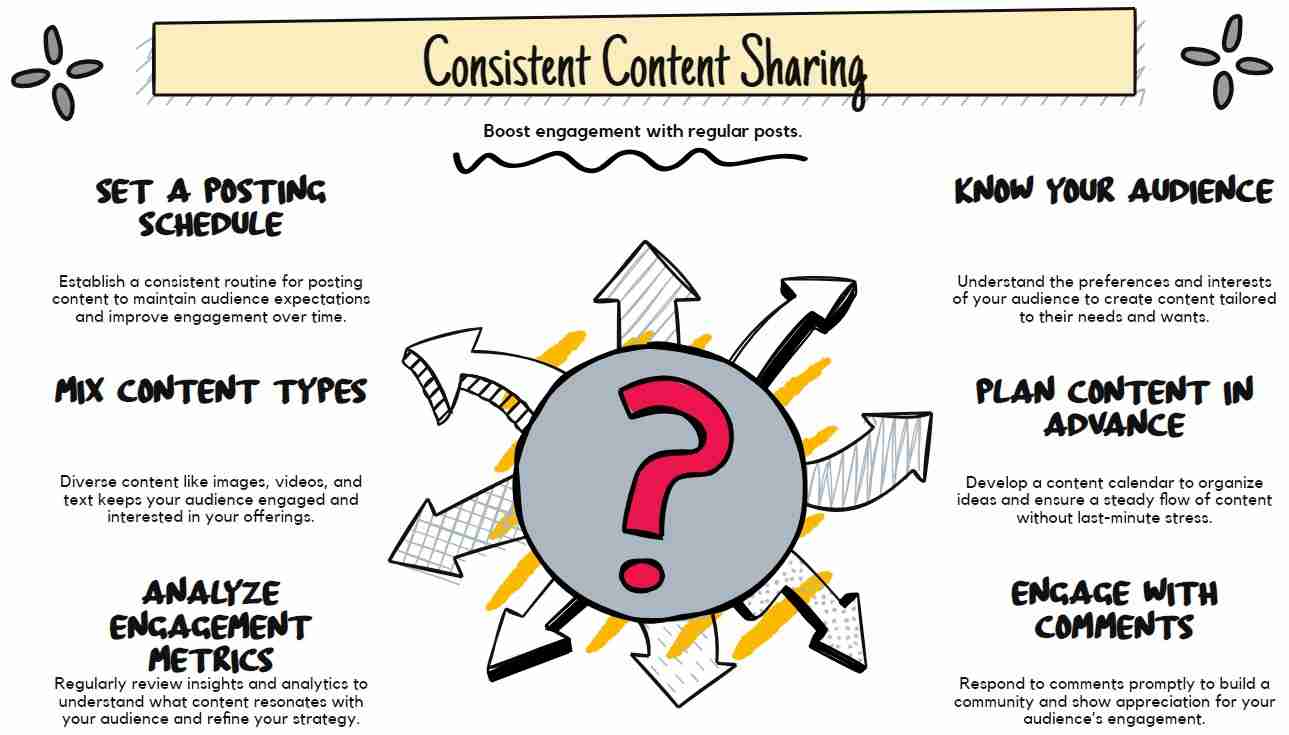
Are Your Headlines Crafted To Spark Curiosity And Draw In Readers?
Conclusion
Navigating the vast digital landscape requires more than just writing; it demands connection, strategy, and authenticity. When you craft a blog post, remember it’s not merely a collection of words but an emotional journey that has the potential to resonate deeply with your audience. Your writing should echo their experiences, showing them they’re not alone in their struggles or victories. This heartfelt approach creates a bond, fostering loyalty and prompting readers to share your content.
Yet, emotion alone won’t cut it. Incorporate logic by identifying trending keywords to guide your content—from the heart to the head. Choosing the right terms helps your posts break through the noise and reach the eyes of those seeking answers. It’s not just smart; it builds trust. Your audience needs to know you’re a reliable source of valuable information.
Speaking of trust, ethics plays a critical role. As a content creator, there’s a responsibility to offer accurate and useful insights. This ethical backbone not only solidifies your authority but nurtures a loyal readership. When people see you as a credible voice, they’re more inclined to return for the guidance they crave.
Engagement and community are vital in this equation. Inviting readers to comment and share creates a dynamic interaction that enriches your blog. It signals to algorithms that your content resonates, amplifying its visibility. Encouraging discussions can turn casual readers into passionate advocates—when they feel valued, they’re more likely to invest their time in your narrative.
Readability and compelling headlines are the final pieces of this optimization puzzle. Ensuring your writing is accessible enhances the reader’s experience and opens the door to diverse audiences. Your headlines should ignite curiosity and invite readers in, setting the stage for the connection you aim to create.
In the end, optimizing your blog is a holistic endeavor. By weaving together emotion, rationality, authority, and the social fabric of your community, you craft not just posts, but a platform that elevates discourse and inspires action. Each story you share could be the spark that ignites a change in someone’s life—a legacy worth pursuing. So roll up those sleeves, find your unique voice, and let it resonate. Your words are powerful—use them to make waves.

Conclusion
Conclusion:
- Navigating the digital landscape requires connection, strategy, and authenticity in your writing.
- A blog post is an emotional journey that should resonate with the audience’s experiences.
- Incorporate trending keywords to balance emotion with logic and enhance credibility.
- Ethics in content creation is essential for building trust and nurturing a loyal readership.
- Engagement and community interaction can transform casual readers into passionate advocates.
- Readable content and compelling headlines enhance accessibility and attract diverse audiences.
- Optimizing your blog is a holistic process that weaves together emotion, rationality, and community.

Conclusion
Other Resources

Other Resources
Here is a list of other resources you can review online to learn more:
- Bitrix24
- Targum.video
- EngageBay
- Araby.ai
- Twitterbio.com
- Elai.io
- Jasper
- Adept.ai
- Craiyon.com
- Uwu.ai
- Line
- Bigjpg.com
- Fireflies.ai
- Jailbreakchat.com
- Spotalike.com
- Rundiffusion.com
- Imagecolorizer.com
- Reclaim.ai
- GDPR
- Melody.ml
Use This Prompt To Get More Resources With Your Favorite Online AI Tool: Please provide me with a list of online articles with their URLs in a bulleted list that I can read regarding How to Optimize Blog Posts for AI Engine Discovery

Other Resources
Glossary Terms
How to Optimize Blog Posts for AI Engine Discovery – Glossary Of Terms
1. AI (Artificial Intelligence): Computer systems designed to perform tasks that typically require human intelligence, such as understanding language and generating content.
2. SEO (Search Engine Optimization): The practice of enhancing website visibility in search engines through keyword integration, quality content, and other strategies.
3. Algorithm: A set of rules or processes followed by AI systems and search engines to rank content and determine relevance based on various criteria.
4. Keywords: Specific words or phrases that users enter into search engines, which content creators incorporate into their posts to improve discoverability.
5. LSI (Latent Semantic Indexing): A technique used by search engines to analyze the context of keywords and discover related terms that enhance content relevance.
6. Meta Tags: HTML tags that provide structured information about a web page to search engines, affecting how content is indexed and displayed.
7. Backlinks: Links from other websites pointing to your content, which can improve authority and ranking in search engines.
8. Content Quality: The overall value and relevance of a blog post, crucial for engaging readers and optimizing for search engines.
9. Readability: The ease with which a reader can understand a written text, often influenced by sentence structure, word choice, and formatting.
10. Headings: HTML elements (H1, H2, H3, etc. ) used to organize content hierarchically, aiding both user navigation and search engine indexing.
11. Alt Text: Descriptive text added to images, helping search engines understand their content and improving accessibility.
12. Internal Linking: The practice of linking to other pages within the same website, which enhances navigation and SEO performance.
13. Content Freshness: The recency and continual update of blog posts, which search engines may prioritize for ranking higher in search results.
14. Long-tail Keywords: Phrases that are more specific and often longer, helping target niche audiences with lower competition.
15. Call to Action (CTA): A prompt for readers to take a specific action, like subscribing or commenting, crucial for engagement.
16. User Experience (UX): The overall experience a visitor has on a website, encompassing design, navigation, and interaction, which can impact SEO.
17. Mobile Optimization: Adapting content for mobile devices to enhance accessibility and user engagement, affecting search rankings.
18. Keyword Density: The ratio of a specific keyword to the total number of words in a blog post, which can influence search engine rankings.
19. Content Audit: A systematic examination of a website’s content to assess performance, SEO effectiveness, and user engagement.
20. Social Sharing: The action of distributing content through social media platforms, which can increase visibility and drive traffic.
21. Schema Markup: A structured data vocabulary that helps search engines understand and better display content in search results.
22. Bounce Rate: The percentage of visitors who leave a site after viewing only one page, which can indicate content effectiveness.
23. Engagement Metrics: Various indicators, such as time on page and comments, that measure how users interact with content.
24. Content Promotion: Strategies used to increase the reach and visibility of blog posts through various channels.
25. Search Intent: The underlying intention behind a user’s query in a search engine, which informs content creation strategies.
26. Performance Metrics: Key indicators, including traffic and conversion rates, used to evaluate the success of blog posts.
27. Content Strategy: A plan outlining how blog posts will be created, shared, and promoted to achieve specific goals.
28. Optimized Images: Images that have been compressed and labeled effectively to improve load times and SEO.
29. Content Calendar: A scheduling tool used to plan, produce, and publish blog content to ensure consistent engagement.
30. Voice Search Optimization: Adjusting content to cater to queries made through voice-activated devices, often characterized by conversational language.

Glossary Of Terms
Other Questions
How to Optimize Blog Posts for AI Engine Discovery – Other Questions
If you wish to explore and discover more, consider looking for answers to these questions:
- What specific techniques can I use to enhance the emotional impact of my blog posts?
- How can I effectively analyze and choose trending keywords for my niche?
- What are some ethical considerations that content creators should keep in mind?
- How can I encourage more interaction and engagement from my readers?
- What types of stories are most effective in captivating an audience?
- How can I balance emotional appeal and factual information in my writing?
- What strategies can I implement to ensure my blog posts maintain high readability?
- How does the choice of words impact the clarity of my writing?
- What are some common mistakes to avoid when crafting headlines?
- What tools or resources can assist in improving my content’s visibility on social media?
- How can I measure the emotional response of my audience to my posts?
- What steps can I take to develop my unique writing voice?
- How can I create a sense of community within my blog?
- What role does authenticity play in building reader loyalty?
- How can I leverage feedback from my audience to improve my content?

Other Questions
Haiku
How to Optimize Blog Posts for AI Engine Discovery – A Haiku
Words like a warm breeze,
Invite hearts and minds to dance;
Trust builds, stories flow.

Haiku
Poem
How to Optimize Blog Posts for AI Engine Discovery – A Poem
In a digital realm where voices collide,
Words become bridges, where hearts can confide.
A blog is a canvas, painted with care,
Optimized stories, inviting and rare.
Let each post resonate, spark emotions anew,
With tales of the human spirit, raw and true.
Empathy echoes in stories we tell,
Connecting us deeper, casting a spell.
Trends guide the currents, like wind in the sails,
Navigating with purpose, where passion prevails.
Data and keywords, the logic behind,
Open the gateways to those we can find.
Ethical grounding, a must in our quest,
Crafting with integrity, delivering the best.
Authority earned through experience shared,
Transforming mere readers into believers who cared.
Fostering communities, where voices unite,
Encouraging dialogue, igniting the light.
Every comment, a ripple, expanding our reach,
Building connections, the lessons we teach.
With headlines that beckon, curiosity stirs,
Enticing the wanderers, the seekers, the learners.
Crafted with purpose, each word a delight,
Promising value, pulling them tight.
Readability matters, a clear path to roam,
Where every phrase welcomes, making them feel home.
Let’s echo our truths, invite all in the fray,
Creating a legacy that won’t fade away.
So roll up your sleeves, dive into the fray,
Let your voice be a beacon, lighting the way.
For in sharing our stories, with heart, head, and gut,
We touch lives and inspire—make a true difference, not just.

Poem
Checklist
How to Optimize Blog Posts for AI Engine Discovery – A Checklist
Emotional Appeal
_____ Share Personal Stories: Include relatable anecdotes that delight or evoke empathy.
_____ Cultivate Authenticity: Write from the heart, showcasing vulnerability and genuine experiences.
_____ Foster Community: Encourage interactions through comments and stories from readers about their own journeys.
Rational Appeal
_____ Use Trending Keywords: Research and integrate popular keywords relevant to your niche.
_____ Present Facts and Data: Support your claims with statistics and credible sources to enhance logic.
_____ Ensure Readability: Write clearly and coherently to avoid losing reader engagement due to complexity.
Ethical Appeal
_____ Provide Trustworthy Information: Maintain high ethical standards by fact-checking and ensuring accuracy.
_____ Establish Authority: Share your credentials and relevant experiences to build credibility.
_____ Respect Readers’ Time: Prioritize clear and focused content to honor your readers’ investment of time.
Authority Appeal
_____ Showcase Expertise: Use personal anecdotes that illustrate your knowledge and experience.
_____ Engage with Current Trends: Align your content with relevant social media trends to enhance authority.
_____ Deliver on Promises: Ensure your content aligns with the expectations set by your headlines.
Narrative Appeal
_____ Weave Compelling Stories: Craft narratives that resonate with your audience’s lived experiences.
_____ Incorporate Clear Messaging: Blend emotional storytelling with logical arguments to create a robust narrative.
_____ Engage the Reader: Pose questions or call-to-actions that compel readers to reflect or engage actively.
Social Appeal
_____ Encourage Sharing and Comments: Create content that invites readers to discuss and share their opinions.
_____ Promote Community Engagement: Use social media platforms to foster conversation about your blog topics.
_____ Highlight Shared Experiences: Remind readers of the collective human experience to foster a sense of belonging.
Final Tips
_____ Craft Intriguing Headlines: Design headlines that spark curiosity and signal value.
_____ Emphasize Interaction: Promote dialogue not just through your blog, but across social platforms to build a loyal community.
_____ Regularly Update Content: Keep your posts relevant and in tune with the latest developments in your niche.

Checklist
At WebsiteBloggers, we help website bloggers develop strategies to create content, traffic, and revenue from website blogs based on our experiences and experimentation.
Be sure to read our other related stories at WebsiteBloggers and share this article with your friends, family, or business associates who run website blogs.