The Struggle To Break Free From Nostalgic Storytelling
By Tom Seest
At WebsiteBloggers, we help website bloggers develop strategies to create content, traffic, and revenue from website blogs based on our experiences and experimentation.
Be sure to read our other related stories at WebsiteBloggers and share this article with your friends, family, or business associates who run website blogs.
Is Nostalgia Actually Sabotaging Seniors’ Creative Storytelling?
Nostalgia is an unyielding force, tugging at the heartstrings of many seniors, and it often finds its way into the art of storytelling. For those with a wealth of experiences and tales to share, nostalgia can be both a friend and a foe. As we dive into the mechanics of creative storytelling for our senior population, it becomes evident that the warm embrace of fond memories might be hindering their narratives more than helping them.
Picture this: a group of seniors gathered around, eager to share their stories. One begins with a recollection of a summer romance, while another reflects on a childhood adventure. As these tales unfold, the mood may lift, but if you listen closely, you start to see a pattern. Each story is wrapped tightly in the glowing embers of nostalgia. They may be beautiful, poignant, and steeped in emotion, but they can also cling like an old, worn-out quilt. It’s comfortable, sure, but it often prevents bold new narratives from emerging.
What happens when storytelling becomes a relentless trip down memory lane? It turns into a website blog of recollection that feels more like history lessons than original creations. The risk here is clear: if storytelling morphs into reminiscence, seniors may become trapped in a cycle, reminiscing rather than innovating. Their rich perspectives and life experiences could be sidelined, lost in a haze of nostalgia instead of inspiring fresh narratives.
This isn’t to suggest that we should banish nostalgia altogether. There’s a time and place for it, as it’s often the spark that ignites creativity. However, it’s essential to strike a balance. Encouraging seniors to draw from their current lives—their observations, thoughts, and emotions—can produce stories that resonate across generations. By inviting them to juxtapose their vibrant pasts with their present circumstances, a new layer of depth emerges.
The creative wellspring that resides within our elders is too valuable to disregard. By helping them acknowledge nostalgia for what it is—a beautiful companion—while gently nudging them toward the present and the future, we can unlock a treasure trove of stories waiting to be told. The mission is simple: celebrate the past, but don’t let it overshadow the dazzling stories yet to be discovered.

Is Nostalgia Actually Sabotaging Seniors’ Creative Storytelling?
Is Nostalgia Actually Sabotaging Seniors’ Creative Storytelling?
- Nostalgia significantly influences storytelling among seniors, acting as both a friend and a foe.
- Seniors often share stories filled with nostalgia, which can distract from creating new narratives.
- This nostalgia can feel comfortable but may hinder bold storytelling opportunities.
- The focus on reminiscence risks transforming original stories into mere history lessons.
- While nostalgia has its place, finding a balance is crucial for creative storytelling.
- Encouraging seniors to incorporate current observations and emotions can lead to richer stories.
- Valuing nostalgia while focusing on present experiences can unlock new and diverse narratives.

Is Nostalgia Actually Sabotaging Seniors’ Creative Storytelling?
Table Of Contents
- Is Nostalgia Actually Sabotaging Seniors’ Creative Storytelling?
- How Does Nostalgia Affect Creativity In Older Adults?
- Can Nostalgia Lead To Repetitive Themes In Stories?
- Does Nostalgia Limit The Range Of Stories Seniors Tell?
- How Can Seniors Balance Nostalgia With Innovation In Storytelling?
- What Role Does Memory Play In Senior Storytelling?
- How Do Emotions Tied To Nostalgia Influence Story Quality?
- Can Reminiscing Enhance Or Detract From Creativity?
- Conclusion
- Other Resources
- Glossary Of Terms
- Other Questions
- Haiku
- Poem
- Checklist
How Does Nostalgia Affect Creativity In Older Adults?
Nostalgia is a curious beast, especially when it comes to older adults and their creative impulses. Picture this: you’re sitting in a cozy chair, maybe a cup of coffee in hand, and the memories flood in like an old, familiar song. There’s something about those recollections that ignites a spark, stirring the brain’s creative juices and reminding us of how wonderful it is to reminisce.
Research suggests that nostalgia can serve as a powerful emotional fuel, spurring creativity in seniors. When older adults indulge in nostalgic thoughts, they often feel a mix of emotions—happiness, warmth, and even a touch of longing for times gone by. This cocktail of feelings can foster a sense of belonging and purpose, which is incredibly beneficial for stimulating creative thinking. It’s as if the mind opens up, like a window allowing fresh air into a stuffy room.
The magic of nostalgia doesn’t just stop at memory. It’s a bridge connecting the past to the present, offering older individuals a framework to explore new ideas while grounding them in familiar experiences. This can manifest in various creative outlets—be it painting, writing, or even crafting a new recipe. When reminiscing about vibrant moments from their lives, older adults may feel inspired to reinterpret those feelings into something new and tangible. Just think about the vibrant stories that emerge when someone reflects on decades spent collecting memories!
Some might argue that nostalgia keeps us tethered to the past, but let’s flip that notion on its head. For many, the act of recalling joyous moments and significant milestones can actually bolster self-esteem and encourage self-expression. This isn’t just about looking back; it’s about using those cherished memories as stepping stones for future creativity. In a sense, nostalgia allows older adults to tap into a well of wisdom, transforming mere recollections into innovative ideas.
As we explore this intriguing interplay between nostalgia and creativity, it’s vital to create spaces—be it in workshops, community centers, or online forums—where older individuals can share their stories and inspire one another. This isn’t just beneficial for them; the intergenerational exchange enriches everyone involved. Ultimately, nostalgia gives older adults a beautiful reminder: while time may march on, the creative spirit within remains timeless, ready to be unleashed, one fond memory at a time.
In our fast-paced world, let’s take a moment to acknowledge how these past experiences can fuel creativity and breathe new life into pursuits we might have thought were long behind us.

How Does Nostalgia Affect Creativity In Older Adults?
How Does Nostalgia Affect Creativity In Older Adults?
- Nostalgia serves as a powerful emotional fuel, igniting creativity in older adults.
- Indulging in nostalgic thoughts evokes happiness, warmth, and a sense of longing, fostering belonging and purpose.
- Nostalgia acts as a bridge between past and present, aiding in the exploration of new ideas through familiar experiences.
- Creative outlets inspired by nostalgia can include painting, writing, and cooking, leading to tangible expressions of memories.
- Recalling joyous moments can enhance self-esteem and encourage self-expression, transforming memories into innovative ideas.
- Creating spaces for older individuals to share stories promotes intergenerational exchange and enriches the community.
- Nostalgia highlights that while time progresses, the creative spirit remains vibrant and ready to be unleashed.

How Does Nostalgia Affect Creativity In Older Adults?
Can Nostalgia Lead To Repetitive Themes In Stories?
Nostalgia is a peculiar beast. It’s that warm glow of memory that beckons us back to simpler times, often wrapped in the comforting embrace of familiarity. But as we dive into the world of storytelling, it raises an intriguing question: can this yearning for the past lead to repetitive themes in our stories?
Let’s face it. We’ve all been there, browsing through a website or scrolling down a blog, only to come across yet another tale that feels eerily similar to one we’ve heard before. It’s like revisiting an old friend—at first, it’s heartwarming. However, if every story feels like a rehash of the last, it can lead to a rather tedious experience. The root of this repetition often lies in nostalgia itself.
When storytellers tap into that nostalgic emotion, they can easily fall into the trap of recycling tried-and-true plotlines or character archetypes. After all, why fix what isn’t broken? In a world where it feels as if everything under the sun has been done, leaning on old favorites can seem like a safe bet. And who can blame writers for wanting to evoke that sense of comfort?
Yet, the downside emerges when these recycled themes begin to saturate the landscape, turning potential innovation into derivative storytelling. It can become a vicious cycle. Writers, wanting to create something that resonates with readers, find themselves looking back rather than forging ahead. It’s like wandering around in a museum of memories, cherishing every exhibit, but failing to notice the beauty of what’s being created right now.
Think about it: how many stories have you encountered that revolve around a coming-of-age journey? Or the classic “against all odds” narrative? Nostalgia can lend an air of legitimacy to these familiar genres, but it can also stifle creativity. The beauty of storytelling lies in exploration—venturing into the unknown, challenging perceptions, and bending genres. While nostalgia can be a welcoming guide, it shouldn’t be the only map we use.
Nostalgia is a double-edged sword. It can offer comfort and connection, yet it can also lead to redundancy. So, as we sift through the stories that span time, let’s not forget the importance of balance—honoring the past while bravely stepping into uncharted territory. After all, every good tale deserves a new twist.

Can Nostalgia Lead To Repetitive Themes In Stories?
Can Nostalgia Lead To Repetitive Themes In Stories?
- Nostalgia invokes a warm glow of memory, encouraging a return to simpler times.
- This yearning for the past may lead to repetitive themes in storytelling.
- Writers often resort to familiar plotlines and character archetypes due to nostalgia.
- Such repetition can result in derivative storytelling and stifle creativity.
- Familiar narratives, like coming-of-age journeys, can lend legitimacy to genres but may hinder innovation.
- Exploration and challenging perceptions are vital to the beauty of storytelling.
- Nostalgia should be balanced with the pursuit of new ideas to keep stories fresh and engaging.
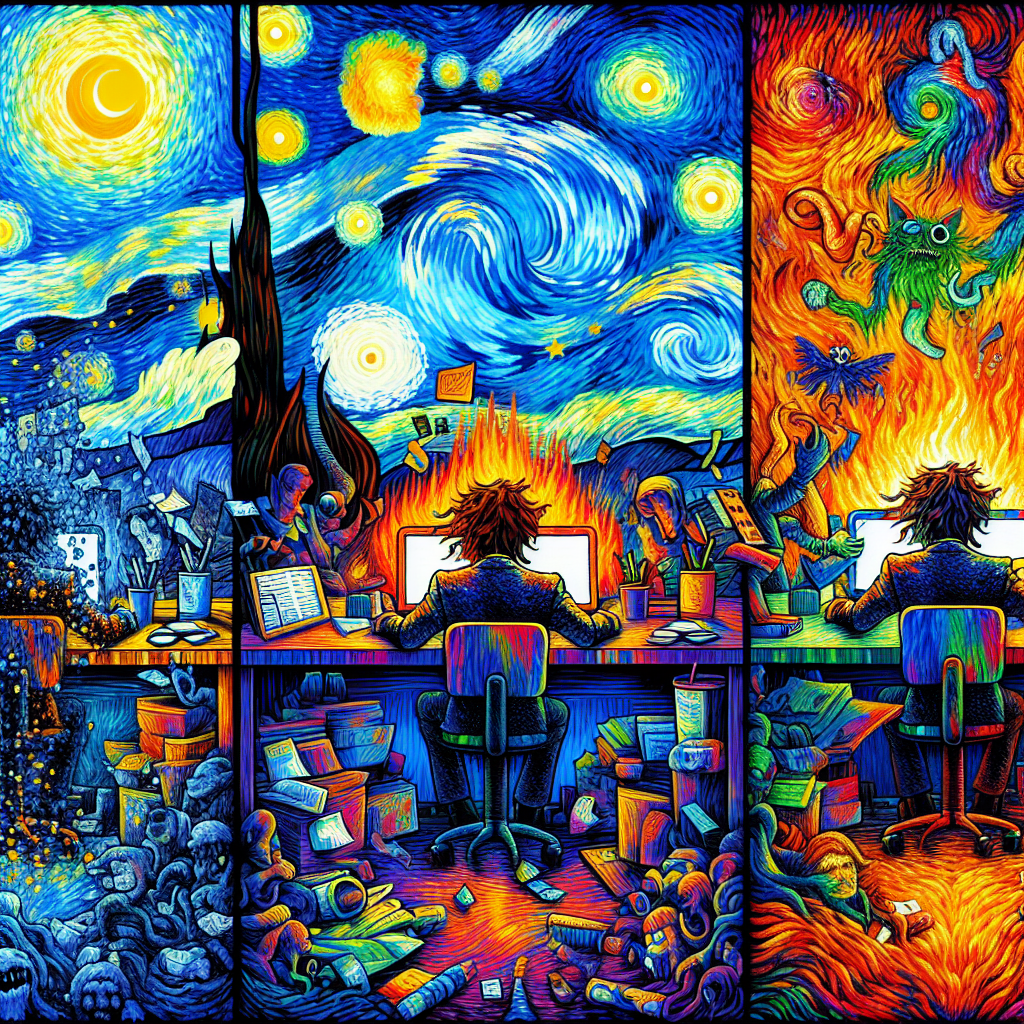
Can Nostalgia Lead To Repetitive Themes In Stories?
Does Nostalgia Limit The Range Of Stories Seniors Tell?
Nostalgia, that warm, fuzzy feeling that envelops us when we reminisce about loved ones and simpler times, can be a double-edged sword, especially for seniors. It’s like flipping through an old photo album, each snapshot accompanied by the sweet scent of memory. But has this fondness for the past limited the range of stories our older generation shares?
Let’s face it: we live in a world that constantly evolves. New technologies, shifting social norms, and fresh experiences shape our daily lives. Yet, for many seniors, the urge to reflect on bygone days often overshadows engagement with the present. This fixation can lead to narratives that feel repetitive, tethered tightly to their golden years and neglectful of the vibrant, unfolding world around them.
When we visit with our grandparents, a common scenario unfolds. They regale us with tales from their youth—stories about the family farm, the first car they owned, or the day they fell in love. Don’t get me wrong; these stories are gems of wisdom passed down through generations. However, when the conversation veers away from those well-worn paths, there can be a palpable shift in energy. It’s as if the nostalgia acts as a comfortable blanket, warming them but also restricting the range of their stories to a select few.
Interestingly, this love for the past often goes hand in hand with a natural reluctance to embrace new experiences. Whether it’s an aversion to technology or a hesitance to try unfamiliar foods, nostalgia can create a barrier to storytelling that reflects the diverse tapestry of modern life. This reluctance not only affects how seniors share their experiences but also shapes how younger generations perceive them.
For instance, take a senior who might shy away from discussing current events or new cultural phenomena. Instead, they may default to cherished memories from their childhood—talking about the neighborhood block parties instead of the latest community events. They miss out on the opportunity to connect with a younger audience seeking relatability.
While nostalgia is a treasured human experience, it’s essential not to let it act as a limit. By encouraging seniors to share their stories in the context of today’s world rather than just the past, we might breathe fresh life into their narratives and enrich the dialogue between generations. After all, the past is a vital part of who they are— but it shouldn’t be the only story they tell.

Does Nostalgia Limit The Range Of Stories Seniors Tell?
Does Nostalgia Limit The Range Of Stories Seniors Tell?
- Nostalgia evokes warm feelings of fond memories for loved ones and simpler times, especially among seniors.
- Although nostalgic stories are valuable, they may narrow the scope of narratives seniors share, often limiting them to the past.
- The world is constantly evolving, with new technologies and experiences that seniors sometimes overlook due to their fixation on past memories.
- Visits with grandparents often revolve around familiar stories from their youth, creating comfort but also routine in conversations.
- This nostalgic focus can lead to reluctance in embracing new experiences, which may hinder diverse storytelling reflective of modern life.
- Seniors may miss opportunities to connect with younger generations by discussing current events instead of past memories.
- Encouraging seniors to incorporate contemporary contexts into their stories can enrich intergenerational dialogue and storytelling.

Does Nostalgia Limit The Range Of Stories Seniors Tell?
How Can Seniors Balance Nostalgia With Innovation In Storytelling?
When it comes to storytelling, seniors often find themselves at a fascinating crossroads. On one side lies nostalgia—a warm embrace of cherished memories and timeless tales that have shaped their lives. On the other, there’s innovation, which beckons them to explore new narratives and unconventional methods of expression. Balancing these two elements is not just an exercise in creativity; it’s an opportunity for growth and connection.
First, let’s acknowledge that nostalgia is a powerful tool. It evokes emotions, ignites memories, and often draws people together. Seniors have a treasure trove of stories—experiences that reflect the very fabric of their lives. The trick, however, is to weave these cherished narratives into something that feels fresh and relevant today. A simple blog on a personal website can be an excellent starting point. It offers a platform to share these tales while connecting with a broader audience.
But how do you translate nostalgia into something innovative? Consider multimedia storytelling. A blog can transform from static text into a vibrant tapestry of images, videos, and audio. Seniors can incorporate photos from their youth, add voiceovers, or even record video diaries. This integration of modern technology with classic storytelling creates a dynamic experience that resonates with both their generation and younger audiences.
Moreover, interactive storytelling is an exciting frontier. Imagine inviting readers to contribute their own memories in response to a story about the past—a digital dialogue that honors shared experiences. This collaborative approach not only honors the past but invites innovation by incorporating diverse perspectives that enrich the narrative.
Engaging with social media platforms can also serve as a bridge between the nostalgic and the innovative. Short snippets of stories or retro-themed content shared on platforms like Facebook or Instagram can generate conversations that bring folks together, reminding everyone of the common threads that bind their histories.
Ultimately, balancing nostalgia with innovation requires an openness to experimentation and a willingness to step out of comfort zones. It’s about allowing the past to inform the present while actively engaging with modern storytelling techniques. For seniors, this balance not only preserves their legacy but also invites new generations to partake in the rich tapestry of human experience. So, gear up, grab that pen—or tablet—and let the storytelling journey unfold!

How Can Seniors Balance Nostalgia With Innovation In Storytelling?
How Can Seniors Balance Nostalgia With Innovation In Storytelling?
- Seniors find themselves at a crossroads between nostalgia and innovation in storytelling.
- Nostalgia serves as a powerful tool, evoking emotions and drawing people together through cherished memories.
- Translating nostalgia into innovative storytelling can involve creating a blog to share personal tales with a broader audience.
- Multimedia storytelling combines traditional narratives with images, videos, and audio to enhance engagement.
- Interactive storytelling invites readers to share their own memories, fostering a collaborative dialogue about shared experiences.
- Social media platforms can bridge nostalgia and innovation by sharing snippets of stories that spark conversations.
- Balancing nostalgia with innovation requires experimentation and openness, preserving legacies while engaging new generations.

How Can Seniors Balance Nostalgia With Innovation In Storytelling?
What Role Does Memory Play In Senior Storytelling?
Memory is more than just a collection of facts and figures; it’s the backbone of storytelling, especially when it comes to our seniors. For many individuals in their golden years, recounting tales from days gone by is not just a casual pastime; it’s a vital part of their identity. From the first day of school to the first love, each story is a thread woven into the rich tapestry of their lives. But what happens when those threads start to fray? What role does memory play in preserving these narratives, and how can we engage with them meaningfully?
As folks age, their memories can start to morph, creating a landscape of vibrant recollections interspersed with patches of fog. This evolving memory isn’t a flaw; it’s a facet of the human experience. Each story they tell enriches our understanding of their journey. The way they navigate their narratives offers a glimpse into how they view their life’s significance. For many seniors, those stories are treasures, remnants of a life lived fully, and it’s our responsibility to listen, absorb, and cherish them.
Moreover, storytelling serves as a powerful tool for connection. When seniors share their experiences, they invite younger generations into their world, bridging the gap between ages. It allows grandparents, aunts, and uncles to impart wisdom while simultaneously fostering a sense of belonging for their listeners. This exchange is not just about nostalgia; it’s about lessons learned, values passed down, and the real-life trials that shaped their characters.
But let’s not forget the sheer joy that comes from storytelling. The laughter that erupts over a missed opportunity or a blundering romance is infectious. As they delve into their past, seniors often re-experience those moments, bringing light and energy into the conversation. The spark in their eyes, the way they lean forward to emphasize a point, shows us just how much these memories mean to them—not just the stories themselves, but the recognition that they matter, that their life experiences hold weight.
In essence, memory is the seed from which the flower of storytelling blooms. It invites us to share in the richness of life itself, to appreciate the highs and lows of existence. As we listen to our seniors recount their tales, we participate in a profound act of honoring their legacy, ensuring that these stories continue to breathe and resonate for generations to come.

What Role Does Memory Play In Senior Storytelling?
What Role Does Memory Play In Senior Storytelling?
- Memory is essential for storytelling, especially for seniors, as it forms a vital part of their identity.
- Each story from their past contributes to the tapestry of their lives, making recollection significant.
- As seniors age, their memories may change, reflecting the complexity of human experience.
- Storytelling is a key method for connecting generations, allowing wisdom to be shared and fostering belonging.
- Seniors’ stories are not merely nostalgic; they convey lessons and values shaped by life’s trials.
- The joy of storytelling brings light and energy to conversations, showcasing the importance of their experiences.
- Listening to seniors honor their legacy and helps ensure that their stories remain alive for future generations.

What Role Does Memory Play In Senior Storytelling?
How Do Emotions Tied To Nostalgia Influence Story Quality?
Nostalgia is a peculiar beast—it wraps around our hearts and tickles our minds, often leaving us teetering on the edge of sentimentality and reflection. When we weave nostalgia into storytelling, we’re not just pulling at heartstrings; we’re tapping into a powerful emotional reservoir that can elevate the quality of our narratives to unexpected heights. Whether you’re crafting a website blog or sharing a tale over coffee, understanding the emotional weight of nostalgia can make all the difference.
Picture this: you’re reading a website blog that recounts the simplicity of childhood summers, the kind of stories that transport you to a time when life felt infinite and full of potential. These recollections aren’t merely about the past; they’re conduits for feelings we’ve all experienced—joy, longing, and even the bittersweet sting of time slipping by. When an author spins a yarn laced with nostalgia, they engender a connection that transcends the written word. The reader doesn’t just observe; they participate in a shared experience, reminiscing about their own summers and forging an emotional bond with the storyteller.
This shared emotional landscape is critical. A story steeped in nostalgia resonates deeper and lingers longer than one rooted in mere fact or fiction. When nostalgia is involved, it acts as a guide, steering the narrative through familiar terrains, and enabling the story to evoke empathy. Imagine reading a piece that reminds you of a beloved toy or a forgotten family recipe; it evokes specific memories and feelings that personalize the narrative, making it more relatable and compelling.
However, wielding nostalgia effectively requires a delicate balance. A well-placed reference can be a delightful means of connection, but overindulging can lead to a cloying mess that alienates readers instead of inviting them in. The key lies in authenticity and relatability. Readers can sense when nostalgia is crafted genuinely, and they’ll appreciate the effort even if their own experiences differ.
Ultimately, emotions tied to nostalgia can significantly enhance the quality of storytelling. Whether in a heartwarming website blog or an engaging novel, the memories we cherish weave intricate threads that bind us together, fostering community and understanding. So, the next time you’re penning a tale, consider sprinkling in some nostalgia. The emotional punch it delivers might just elevate your narrative from a simple story to a profound journey through shared memory.

How Do Emotions Tied To Nostalgia Influence Story Quality?
How Do Emotions Tied To Nostalgia Influence Story Quality?
- Nostalgia evokes strong emotions, balancing sentimentality and reflection in storytelling.
- Stories infused with nostalgia create connections that enhance the reader’s experience.
- Nostalgic narratives transport readers to relatable moments, invoking feelings of joy and longing.
- Shared emotional landscapes enable deeper resonance and empathy in storytelling.
- Authenticity and relatability are crucial when incorporating nostalgia into writing.
- Excessive use of nostalgia can alienate readers; balance is essential for effective storytelling.
- Incorporating nostalgia can elevate narratives, fostering community and shared memory.

How Do Emotions Tied To Nostalgia Influence Story Quality?
Can Reminiscing Enhance Or Detract From Creativity?
When we think about creativity, it’s often viewed as this elusive, lightning-in-a-bottle moment that strikes unexpectedly. We chase after inspiration, hoping to stumble upon that spark like a hiker searching for gold. But what if I told you that one of the key ingredients for creativity could be found in the past, sitting quietly on the shelf of our memories?
Reminiscing, that act of pulling out old photographs or reliving stories from days gone by, can serve as a double-edged sword. On one hand, it can deeply enrich our creative process. It’s like digging through a treasure chest of experiences that can inspire new ideas and connections. When we draw on memories, we’re not just nostalgically gazing at the past; we’re crafting a bridge from those experiences to our current projects. Each moment replayed can potentially lead to a burst of innovation as we blend what once was with what can be.
Take, for example, a blog about the days when life was simpler. Those stories of childhood adventures, of mistakes made and lessons learned, can fuel a writer’s imagination, breathing life into words that resonate with readers. There’s a reason we find comfort in tales from bygone eras—they remind us of shared human experiences that still hold relevance today.
Yet, there’s a flip side. Overindulgence in reminiscing can lead us to stagnation. It’s all too easy to get lost in the glory days, where every idea is filtered through a lens of favoritism for what was, rather than what could be. This nostalgia can potentially cloud our judgment, making us hesitant to take risks or step outside the comfortable boundaries of the past. Instead of using memories as a stepping stone, we might find ourselves trapped in an echo chamber.
So, how do we ensure that reminiscing enhances rather than detracts from our creativity? The key lies in balance. Celebrating the past while maintaining a forward-looking mindset can help us harness the power of our experiences without letting them hold us back. Nostalgia isn’t the enemy; it’s how we utilize those memories that truly shapes our creative landscape. Whether we’re browsing through a website blog or scribbling in a journal, let’s remember to forge paths ahead without losing sight of the rich tapestry woven from our past.

Can Reminiscing Enhance Or Detract From Creativity?
Can Reminiscing Enhance Or Detract From Creativity?
- Creativity is often seen as an elusive moment of inspiration.
- Reminiscing can enrich the creative process by drawing on past experiences.
- Memories can serve as a bridge from the past to current projects, inspiring new ideas.
- Stories from simpler times can fuel creativity, reminding us of shared human experiences.
- Overindulgence in nostalgia can lead to stagnation and cloud judgment.
- Maintaining balance between celebrating the past and focusing on the future is essential for creativity.
- Utilizing memories thoughtfully can enhance our creative landscape without hindering progress.

Can Reminiscing Enhance Or Detract From Creativity?
Conclusion
As we wrap up our exploration into the intersection of nostalgia and the storytelling prowess of seniors, it’s clear that this sentimental trip has more twists and turns than a winding mountain road. Nostalgia is that old friend who shows up unannounced—sometimes welcome and heartwarming, but occasionally hindering our forward momentum. While it can ignite creativity by rekindling warm memories and infusing narratives with emotion, it also carries the risk of becoming a comfort zone—a familiar blanket that stifles fresh ideas.
Consider the countless stories that spring from the well of nostalgia; they’re gems that reflect rich life experiences. Yet, if we’re not careful, these tales can echo like a well-worn record stuck on a single track. The beauty lies in acknowledging the past while taking a step into the present and future. The trick is to avoid getting ensnared in cycles of reminiscence that can lead to repetitive themes, rather than innovative storytelling.
Let’s face it: storytelling should never feel like a history lesson. Instead, it should resonate with the vibrant present and engage with contemporary experiences. This encourages seniors to share tales that not only reflect their past but also intertwine with today’s evolving world. Imagine a senior recounting their childhood summer adventures while incorporating today’s technology or societal changes—what a rich tapestry that creates!
To truly harness nostalgia while fostering innovation, creating inclusive spaces for storytelling—be it workshops, community forums, or even vibrant digital platforms—can open doors to fresh narratives. Encouraging seniors to embrace multimedia and interactive storytelling can breathe new life into those old memories, making them relevant and engaging for younger audiences.
Ultimately, the essence of storytelling lies in connection. It’s about building bridges across generations, inviting shared experiences to flourish while ensuring that the past doesn’t overshadow the present. The goal is clear: let’s honor where we’ve been, but never let it inhibit where we can go. By striking a balance between cherishing the past and embracing the present, particularly in our seniors’ storytelling endeavors, we can uncover a treasure trove of stories just waiting to be shared.
So, here’s to the beautiful journey of storytelling! Celebrate those golden memories but keep the doors wide open for new narratives to emerge. After all, the hallmark of good storytelling is not just nostalgia; it’s the insight that connects us all, today and tomorrow.

Conclusion
Conclusion:
- Nostalgia serves as a sentimental companion that can both inspire and hinder creativity in storytelling.
- Rich narratives spring from nostalgia, but they risk becoming repetitive if not approached thoughtfully.
- Effective storytelling should resonate with the present and engage contemporary experiences.
- Seniors can share their past experiences while incorporating modern elements, creating a dynamic narrative fabric.
- Inclusive storytelling spaces—such as workshops and digital platforms—can foster fresh and engaging narratives.
- The essence of storytelling is connection, bridging generations and inviting shared experiences.
- Balancing nostalgia with present-day insights can uncover a wealth of stories ready to be told.

Conclusion
Other Resources

Other Resources
Here is a list of other resources you can review online to learn more:
- Namify.tech
- Abbyy.com
- Colossyan.com
- Fontjoy.com
- Medium
- Eightfold.ai
- Soundful.com
- Kaiber.ai
- Ghost
- Octoeverywhere.com
Use This Prompt To Get More Resources With Your Favorite Online AI Tool: Please provide me with a list of online articles with their URLs in a bulleted list that I can read regarding Is Nostalgia Actually Sabotaging Seniors’ Creative Storytelling?

Other Resources
Glossary Terms
Is Nostalgia Actually Sabotaging Seniors’ Creative Storytelling? – Glossary Of Terms
1. Nostalgia: A sentimental longing for the past, often idealizing personal memories or collective experiences.
2. Creative Storytelling: The art of crafting and narrating stories that engage an audience, often incorporating imaginative elements.
3. Cognitive Decline: The gradual loss of cognitive abilities, such as memory and reasoning, commonly associated with aging.
4. Memory Recall: The process of retrieving information or past experiences from one’s memory.
5. Imagination: The ability to form new ideas, concepts, or images not immediately present to the senses.
6. Sentimentality: Excessive tenderness or emotional response, often leading to an overemphasis on nostalgic feelings.
7. Subjectivity: The influence of personal experiences and emotions on an individual’s perception and interpretation of events.
8. Long-Term Memory: A type of memory that stores information for an extended period, often including autobiographical recollections.
9. Cultural Memory: Collective memories shared by a social group, influencing how individuals in that group interpret their experiences.
10. Emotional Resonance: The capacity of a story or idea to evoke emotional responses based on personal or shared experiences.
11. Imposter Syndrome: A psychological pattern where individuals doubt their accomplishments and have a persistent fear of being exposed as a “fraud. ”
12. Transfer of Knowledge: The movement of understanding and skills from one context to another, often crucial in storytelling and creativity.
13. Narrative Construction: The process of building a coherent story from various elements, including characters, plots, and settings.
14. Generational Gap: The differences in beliefs, values, and experiences between different age groups, affecting communication and storytelling.
15. Therapeutic Storytelling: The practice of using storytelling to heal emotional wounds or process experiences, often employed in therapeutic settings.
16. Creative Block: A condition where an individual is unable to access their creativity, often resulting in frustration and low productivity.
17. Emotional Intelligence: The ability to understand and manage one’s emotions, as well as empathize with others, which can enhance storytelling.
18. Contextualization: The act of placing a story within a specific time and context, enhancing its relevance and relatability.
19. Critical Thinking: The ability to analyze facts and form judgments, often necessary for effective storytelling and idea generation.
20. Aesthetic Appreciation: The recognition and enjoyment of beauty within a story, including its style and emotional depth.
21. Cognitive Flexibility: The mental ability to switch between thinking about different concepts, which aids in creative storytelling.
22. Placebo Effect: The phenomenon where a person experiences a perceived improvement in condition due to expectations rather than actual treatment.
23. Narrative Identity: The internalized story of a person’s life, including how they make sense of their experiences and create meaning.
24. Distraction: Factors or thoughts that divert an individual’s attention, which can inhibit creativity and storytelling.
25. Cultural References: Mentions or allusions to shared cultural elements that add depth and understanding to a story.
26. Ageism: Discrimination based on age, often leading to underestimating older adults’ abilities in creativity and storytelling.
27. Social Connectedness: The feeling of belonging to a group or community, which can enhance creative expression among seniors.
28. Resilience: The ability to recover from setbacks and adapt well to change, crucial for continuing creative pursuits at an older age.
29. Narrative Therapy: A therapeutic approach that uses the storytelling process to help individuals understand and reshape their life narratives.
30. Generational Storytelling: The practice of passing down stories across generations, preserving history and cultural identity.

Glossary Of Terms
Other Questions
Is Nostalgia Actually Sabotaging Seniors’ Creative Storytelling? – Other Questions
If you wish to explore and discover more, consider looking for answers to these questions:
- What are the benefits of storytelling for seniors?
- How can seniors use modern technology to enhance their storytelling?
- Are there specific techniques to help seniors break free from nostalgic narratives?
- What role do community centers play in fostering creative storytelling among seniors?
- How can family members support seniors in sharing stories beyond nostalgia?
- What impact does storytelling have on a senior’s mental health?
- How can writing workshops be designed to engage seniors effectively?
- What are the common pitfalls of nostalgic storytelling among older adults?
- How does storytelling differ across cultures for seniors?
- What resources are available to help seniors improve their storytelling skills?

Other Questions
Haiku
Is Nostalgia Actually Sabotaging Seniors’ Creative Storytelling? – A Haiku
Golden days too bright,
Past whispers stifle the new—
Stories yet untold.

Haiku
Poem
Is Nostalgia Actually Sabotaging Seniors’ Creative Storytelling? – A Poem
In the quiet corners of the soul,
Nostalgia weaves its tender hold,
A tapestry of memories bright,
Yet shadows loom in the soft twilight.
Seniors gather, stories unfold,
Tales of summers, of love retold,
Each thread a warmth, a time embraced,
But in this past, new dreams lay faced.
Oh, the sweet trap of reminiscing,
Where heartstrings tug, and memories glistening,
Yet tales may falter, repeat the same,
In seeking comfort, they lose their flame.
For within the past’s gentle embrace,
Lies the spark of now, a vibrant space,
Invite them to paint with colors anew,
Juxtapose memories with views askew.
Balance the echoes with visions ahead,
Let innovation dance where the old was tread,
With every story, a chance to ignite,
Transforming the past into fresh delight.
Through photos spun and tales well-shared,
The emotions of yesteryear can be bared,
But beware the weight of familiar ground,
In seeking connection, let freshness abound.
So search for the treasure in memories spun,
While crafting the stories yet to be won,
Nostalgia, a guide, but not the whole tale,
For life holds new chapters in every exhale.
Listen, engage, let the stories flow wide,
A bridge ‘twixt the years where the heart can glide,
In the blend of the old and the new, behold,
The magic of life in each story told.

Poem
Checklist
Is Nostalgia Actually Sabotaging Seniors’ Creative Storytelling? – A Checklist
1. Acknowledge Nostalgia:
_____ Appreciate the role of nostalgia in sparking creativity.
_____ Recognize the emotional connections tied to memories.
2. Encourage Present Engagement:
_____ Promote storytelling that incorporates current observations and experiences.
_____ Suggest themes that juxtapose the past with present realities.
3. Diverse Storytelling Techniques:
_____ Explore multimedia storytelling (e. g. , combining text, images, and audio).
_____ Utilize narrative techniques that inspire innovation.
4. Engage in Interactive Storytelling:
_____ Facilitate platforms where seniors can co-create stories with others.
_____ Encourage readers/audiences to share their memories in response.
5. Combat Repetition in Narratives:
_____ Identify and avoid recurring themes that may stem from nostalgic reliance.
_____ Aim for fresh perspectives and explore new topics.
6. Utilize Technology:
_____ Introduce digital tools that aid in storytelling (e. g. , blogs, social media).
_____ Encourage the use of video diaries or online forums for sharing experiences.
7. Set a Balanced Narrative Framework:
_____ Encourage a mix of nostalgic reflections and forward-thinking ideas.
_____ Highlight the importance of evolving stories to match contemporary contexts.
8. Incorporate Emotional Resonance:
_____ Use nostalgia as a means to evoke shared human experiences.
_____ Craft stories that connect with broader audiences emotionally.
9. Promote Wisdom Sharing:
_____ Create spaces for intergenerational storytelling exchanges.
_____ Encourage seniors to share lessons learned alongside their cherished memories.
10. Reflect Regularly:
_____ Encourage seniors to assess how nostalgia impacts their creative process.
_____ Suggest journaling experiences to identify growth in storytelling.
11. Celebrate Creativity:
_____ Highlight instances where blending past and present generates innovative storytelling.
_____ Encourage sharing and celebrating creations within community groups.
12. Seek Continuous Inspiration:
_____ Remind seniors to seek out new experiences and stories outside their comfort zones.
_____ Encourage participation in community activities to enrich their narrative range.
By following this checklist, seniors can cultivate storytelling that celebrates their rich past while also inviting innovation and creativity.

Checklist
At WebsiteBloggers, we help website bloggers develop strategies to create content, traffic, and revenue from website blogs based on our experiences and experimentation.
Be sure to read our other related stories at WebsiteBloggers and share this article with your friends, family, or business associates who run website blogs.