The Moral Compass Of AI: Guiding Citations
By Tom Seest
At WebsiteBloggers, we help website bloggers develop strategies to create content, traffic, and revenue from website blogs based on our experiences and experimentation.
Be sure to read our other related stories at WebsiteBloggers and share this article with your friends, family, or business associates who run website blogs.
Understanding AIO: How AI Chooses What to Cite
In a world where information is as abundant as the air we breathe, the art of citation becomes crucial. Picture this: an artificial intelligence system, akin to a bright-eyed student armed with a vast library, meticulously sifting through mountains of data, books, and articles on a website blog—a digital brain wrestling with what to include in its repository of knowledge. It’s not just some cold calculation; it’s a dance, a deliberation, and at times, a dilemma. The stakes are real; the right citation can empower insights and foster trust, while the wrong one may lead us astray.
Behind every citation choice made by AI lies a blend of logic and emotion, a narrative that resonates with our shared human experience. These algorithms aren’t just wading through numbers and keywords; they’re tapping into the stories behind the research, the lived experiences that shape that knowledge. For instance, when AI cares enough to include diverse perspectives from various sources, it reflects the heartbeat of society—a collective voice rather than a mere echo of authority. It’s this symbiotic relationship between human values and technological advancement that inspires confidence in a future driven by collaboration.
Yet, let’s peel back the layers and examine the ethical implications of this technology. With every citation, AI has the power to elevate unheard voices or perpetuate dominant narratives. It’s a responsibility that weighs heavily on those who design these systems. As users, we must hold ourselves accountable, questioning the choices that AI makes in our name. What values do we uphold? How do we ensure a balanced representation? It’s an invitation to engage in the conversation—a call to action for all of us to ensure that technology reflects the richness of our society.
When AI chooses what to cite, it’s not just a matter of selecting sources; it’s about building connections. Just as we rely on the wisdom of others in our lives, AI seeks out the fabric of knowledge woven across countless minds. Embracing this journey together empowers us to shape the ethical landscape of AI and, ultimately, our shared future. We must remain vigilant and engaged, ensuring that as the digital age unfolds, we nurture a system that serves everyone, honoring the stories that brought us here.

Understanding AIO: How AI Chooses What to Cite
Understanding AIO: How AI Chooses What to Cite
- The art of citation is crucial in an information-rich world, especially for AI systems.
- AI systems sift through vast amounts of data, making thoughtful citation choices.
- Correct citations can enhance insights and trust, while incorrect ones can mislead.
- AI citation involves blending logic and emotion, reflecting human experiences.
- Incorporating diverse perspectives empowers collective voices, impacting societal representation.
- AI has ethical responsibilities to elevate unheard voices and ensures balanced narratives.
- Engagement in the conversation about AI’s citation choices is essential for nurturing an equitable technology landscape.

Understanding AIO: How AI Chooses What to Cite
Table Of Contents
- Understanding AIO: How AI Chooses What to Cite
- Can AI Be Held Accountable For Citation Errors?
- How Do We Establish Authority In AI’s Information Selection?
- What Role Do Human Biases Play In AI Citations?
- How Transparent Is The AI Process For Choosing Its References?
- Can We Improve AI’s Citation Logic With Better Data?
- What Happens When AI Cites Conflicting Information?
- How Do We Ensure Diverse Perspectives Are Represented In AI?
- Conclusion
- Other Resources
- Glossary Of Terms
- Other Questions
- Haiku
- Poem
- Checklist
Can AI Be Held Accountable For Citation Errors?
In an age where the machines we once imagined only in science fiction now populate our workspaces, we find ourselves grappling with a question that is as ancient as knowledge itself: Can we hold AI accountable for citation errors? To navigate this murky territory, let’s consider what accountability really means.
When we think about citations, we think about trustworthiness. They’re the backbone of scholarly work, the markers of integrity that ensure we stand on the shoulders of giants rather than invent our own stories. Suppose an AI churns out a beautifully crafted essay, but misidentifies sources or fabricates them altogether. Who bears the responsibility? The creators of the algorithm? The users who relied on its output? It’s a tangled web of ethics and expectations.
We’re not just talking about a misplaced quote or a wrong page number here. These errors can shape opinions, influence decisions, and even misinform entire communities. Imagine a teacher assigning an AI-generated piece, only to discover that the information was pulled from dubious sources. Such missteps could put a student’s credibility on the line and erode trust in the very institutions we hold dear. That’s a gut punch to the foundations of learning.
Rationally, we must recognize that AI is still in its infancy. It learns from vast datasets filled with human input, which, let’s face it, isn’t always perfect. Consider the immense power in our hands—the choice to guide AI to become a more responsible tool for education and research. By advocating for stringent citation standards and robust monitoring, we can push for a future where AI doesn’t just deliver content but upholds the integrity of the information we seek.
And let’s not forget the narrative here: We’re in uncharted territory, facing a profound moment that can redefine our relationship with technology. This is not just about machines; it’s about humanity grappling with the consequences of creation. It’s a collective responsibility, one where we, as stewards of knowledge, must ensure that our tools serve us rather than lead us astray.
In a world filled with noise, the quest for accuracy resonates deep within us. Holding AI accountable for citation errors isn’t solely a matter of legalities; it’s about fostering a culture of reliability and respect among our learning communities. So, let’s step up, demand better, and pave the path for a harmonious coexistence with technology that honors the wisdom of the past while driving us toward a more enlightened future.

Can AI Be Held Accountable For Citation Errors?
Can AI Be Held Accountable For Citation Errors?
- The rise of AI in our workspaces raises questions about accountability for citation errors.
- Citations are critical for trustworthiness and integrity in scholarly work.
- Misidentifying or fabricating sources by AI can lead to significant ethical issues.
- Errors can shape opinions and misinform communities, jeopardizing educational credibility.
- AI’s current learning is based on extensive, yet imperfect, human-generated data.
- We have the opportunity to guide AI towards responsible educational use through better standards.
- Promoting accuracy and reliability in AI is essential for our relationship with technology and knowledge.
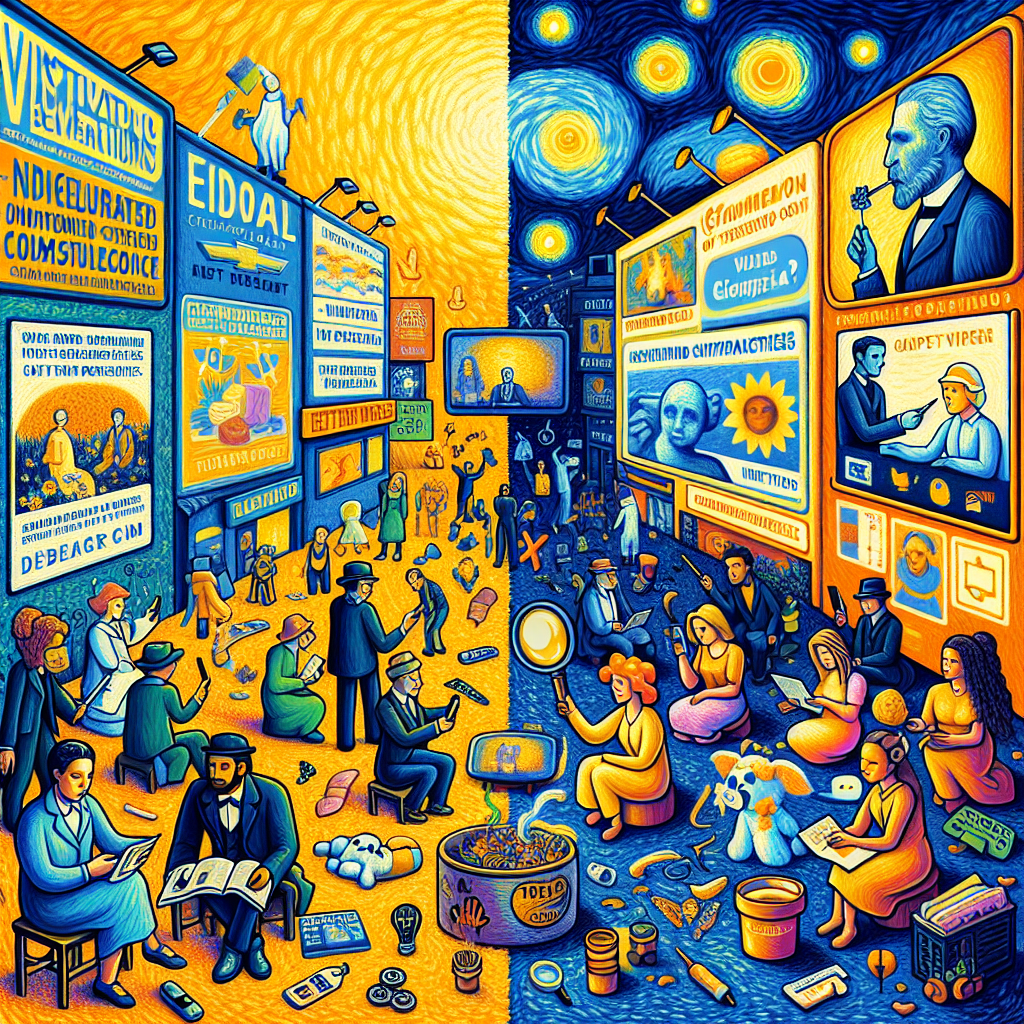
Can AI Be Held Accountable For Citation Errors?
How Do We Establish Authority In AI’s Information Selection?
In the rapidly evolving world of artificial intelligence, we often overlook the bedrock principle behind how we establish authority in its information selection. We live in an age where our decisions are influenced by algorithms that sift through mountains of data to deliver tailored content. But here’s the thing: the authority of that information isn’t just a technical matter; it’s profoundly human.
Imagine you’re standing in a crowded marketplace. What makes one vendor’s voice rise above the rest? It’s not just their volume; it’s their authenticity. That same principle applies to AI. When machines curate information, we’re not just looking for data; we want insight we can trust. To establish that trust, we need a blend of emotional resonance that touches the heart, rational clarity that engages the head, and ethical grounding that appeals to our gut.
We yearn for narratives that connect us to our shared human experience. Picture a blog post on a website presenting staggeringly complex AI findings. Now, imagine if the author wrapped those findings in a story—perhaps a struggle to create technology that improves lives rather than complicates them. Suddenly, it’s more than statistics; it’s about Sally, a mother who gained access to resources thanks to an AI-driven initiative. That personal touch turns an abstract concept into something relatable, something you can feel deep down.
To further ground this in rationality, consider that the expertise behind this AI isn’t crafted in a vacuum. It springs from a collection of vetted sources and respected figures in the field. Every dataset should carry the weight of collaborative scrutiny, ensuring that the information selected is credible and comprehensive. This is where ethical considerations come into play. We must cultivate a set of standards that govern what is deemed authoritative, making sure that voices from diverse backgrounds are represented.
Building authority in AI’s information selection is also about social responsibility. It requires all of us—developers, academics, end-users—to engage in an ongoing dialogue about what we consume and share. Embracing transparency is key to fostering connection. When users feel involved in the process, they become advocates for more responsible AI practices.
Let’s remember, as we navigate this landscape, that the authority we seek isn’t just pinned to a glorified algorithm; it’s anchored in our collective commitment to authenticity, responsibility, and the unwavering pursuit of truth.

How Do We Establish Authority In AI’s Information Selection?
How Do We Establish Authority In AI’s Information Selection?
- The principle of establishing authority in AI information selection is profoundly human.
- Authenticity plays a crucial role in how we perceive the value of information curated by AI.
- Trust in AI-derived insights requires emotional resonance, rational clarity, and ethical grounding.
- Narratives that connect to shared human experiences enhance the relatability of complex AI findings.
- AI expertise should originate from vetted sources, ensuring credible and comprehensive information.
- Building authority in AI also involves social responsibility and ongoing dialogue about consumption and sharing of information.
- True authority in AI is based on authenticity, responsibility, and the pursuit of truth, beyond mere algorithms.

How Do We Establish Authority In AI’s Information Selection?
What Role Do Human Biases Play In AI Citations?
In the age of artificial intelligence, we often hail algorithms as the pinnacle of objectivity, the unerring truth-tellers of our time. But here’s the kicker: these so-called objective systems are fundamentally shaped by the very human biases they’re meant to transcend. It’s like sending a ship to sea, equipped with the latest technology, only to discover the compass is still calibrated to the whims of its creator.
This isn’t just a tech problem; it’s a human one. The data that feeds AI systems—think citations, articles, and research inputs—is inherently human-produced and colored with subjective perspectives. Each dataset tells a story, and if that story is threaded with bias, guess what? The AI will churn out conclusions that reflect those flawed narratives. It’s a gut check for anyone who’s ever relied on citations from a Website Blog; the foundation of our knowledge could just be a grand illusion, marred by unexamined prejudices and skewed viewpoints.
Imagine a world where the voices we echo aren’t the most accurate or fair, but merely the loudest. Take academia, where those respected voices shape textbooks and online resources. When these echoes are biased, they create a ripple effect, perpetuating inaccuracies and skewing research agendas. The implications are profound: when an AI recommends a citation, it’s not just serving data; it’s endorsing a perspective that could mold future research or influence public opinion. This isn’t merely a matter of intellectual rigour, but a moral responsibility to usher in a more equitable narrative.
Approaching this issue means rolling up our sleeves and engaging in the messy, essential work of reflection and accountability. We must foster a community that scrutinizes the sources we use, demanding transparency and diversity in the voices that populate our academic and professional landscapes. We need to ask tough questions: Who authored this research? What hidden biases might lurk beneath its surface?
Our society thrives on collaboration and shared knowledge, and each of us holds a piece of that puzzle. By questioning the bias within AI-generated citations, we wield the power to shape a more accurate, empathetic understanding of the world. It starts with trust—not just in technology, but in each other. Let’s embark on this journey together, knowing that our inquiries will pave the way for a future where information is not just served, but shared with wisdom and insight.

What Role Do Human Biases Play In AI Citations?
What Role Do Human Biases Play In AI Citations?
- AI algorithms are often viewed as objective truth-tellers, yet they are influenced by human biases.
- The data used in AI systems reflects subjective human perspectives, leading to biased conclusions.
- Academia’s respected figures can perpetuate inaccuracies when only loud voices are echoed.
- AI recommendations carry the weight of endorsing particular perspectives, impacting research and public opinion.
- A collective effort is needed to demand transparency and diversity in academic resources.
- Scrutinizing sources is essential to combat hidden biases in research outputs.
- Through questioning and collaboration, we can foster a more accurate and empathetic understanding of the world.

What Role Do Human Biases Play In AI Citations?
How Transparent Is The AI Process For Choosing Its References?
When you fire up your favorite AI tool, you’re diving into a world that feels almost magical. But let’s pause for a moment and ask ourselves—a little transparency can go a long way, right? How transparent is the AI process for choosing its references?
Imagine a big ol’ toolbox, brimming with all sorts of gadgets and gizmos. Each one represents a piece of information, a sliver of insight, an answer to a question you didn’t even know you had. Now, what if I told you that behind the shiny interface, the tools are often selected based on complex algorithms that are less visible than the smoke and mirrors of a magician on stage? It’s both fascinating and a bit unsettling.
When we visit a website or a blog that showcases an AI’s capabilities, we often take for granted that the references it provides are trustworthy. We assume the AI has scoured the internet, weighed the merits of sources, and selected only the best to serve up to us. But in reality, the decision-making process can be shadowy. What guidelines does the AI follow? Who gets to whisper in its ear about what’s credible and what’s not? These are the questions that keep us grounded in an age of astonishing technological leaps.
Now, on the rational side of things, understanding how AI prioritizes its sources helps us sift through the noise. If we know that an AI leans towards peer-reviewed studies or reputable authors, we can feel more confident in the information shared. It elevates the conversation from opinion-based posts to a level of rigor that we, as seekers of truth, can appreciate.
Ethically, it’s our responsibility as stakeholders in this journey to demand more clarity. Transparency builds trust, and trust fosters relationships—between us, the content, and the technology itself. Once we acknowledge the ethical considerations at play, we can become advocates for better practices in the AI space.
Finally, let’s not forget the personal connection. How often have you turned to AI out of curiosity or necessity? When it serves you well, it feels like finding an ally—a friend that helps you navigate unknown territories. But a friend who doesn’t share their secrets can feel distant and untrustworthy. Let’s lean into our shared desire for understanding and accountability, ensuring that as AI evolves, it remains a beacon of truth, rather than a mirage in the desert of misinformation.

How Transparent Is The AI Process For Choosing Its References?
How Transparent Is The AI Process For Choosing Its References?
- The AI process for choosing references lacks transparency, raising questions about its decision-making.
- AIs use complex algorithms to select information, often hidden from users.
- Users often assume AI-generated references are trustworthy without understanding the selection criteria.
- Understanding AI’s source prioritization can help users better evaluate the information provided.
- Advocating for transparency in AI fosters trust and strengthens relationships with technology.
- Personal experiences with AI can cultivate a sense of allyship, requiring honesty for trust to flourish.
- As AI evolves, it’s crucial to ensure it upholds a commitment to accuracy and integrity.

How Transparent Is The AI Process For Choosing Its References?
Can We Improve AI’s Citation Logic With Better Data?
When we think about the role of artificial intelligence in our lives, it’s easy to get swept away by its vast potential and the slick interfaces that promise to make our lives easier. But let’s take a moment to pivot from the dazzling allure of AI to the crucial foundation upon which it stands: data. If we want to improve AI’s citation logic, we need to wrestle with the heart of the matter—better data.
Consider the power of a single story. A well-crafted narrative can spark ideas, ignite passion, and foster connection among people who might never have crossed paths otherwise. Now imagine if those stories were underpinned by accurate, credible data, fueling the AI that curates these narratives. With the right data, we could ensure that the algorithms not only spit out facts but also resonate with the truth. Think about it—imagine an AI that doesn’t just regurgitate information but delivers insights that are precise and meaningful, capable of stirring something deep within us.
But let’s be clear: accuracy isn’t just a matter of numbers. It’s about ethics. In a world tempted to play fast and loose with information, we owe it to ourselves to demand uncompromising integrity from our AI systems. When we gather better data, we’re not just refining algorithms; we’re cultivating trust. We’re saying that the information presented on a website or blog matters—that it should be treated with respect and diligence.
This is where authority comes in. Data isn’t just a collection of statistics; it’s a voice, a guiding hand. It will inspire confidence in the machine and, ultimately, in ourselves. When AI makes recommendations based on reliable sources, the value skyrockets, and we’re equipped to make informed decisions. Whether drafting a paper, learning a new skill, or simply seeking knowledge, the experience morphs from a clunky transaction into a rich, engaging dialogue.
So, as we embark on this journey to refine AI’s citation logic, let us unite—tech enthusiasts, educators, and citizens alike. Let’s ensure our datasets reflect the world’s complexities, nuances, and the hearts and minds that inhabit them. Together, we can make AI not just a tool, but a trusted partner in navigating the vast landscape of information that shapes our lives. It starts with better data, and it’s a journey worth taking.

Can We Improve AI’s Citation Logic With Better Data?
Can We Improve AI’s Citation Logic With Better Data?
- The potential of AI is significant, but it rests on the quality of data.
- Accurate and credible data enhances the narratives AI curates.
- AI should provide meaningful insights rather than just raw information.
- Accuracy involves ethical considerations, advocating for integrity in AI systems.
- Improving data cultivates trust in both algorithms and the information presented.
- Reliable data equips users to make informed decisions across various activities.
- Collaboration among stakeholders is essential to refine AI’s citation logic and ensure it reflects complex realities.

Can We Improve AI’s Citation Logic With Better Data?
What Happens When AI Cites Conflicting Information?
When AI digs into the vast ocean of information, it often encounters the rocky shores of conflicting data. Picture a bustling website brimming with knowledge, where every blog post seeks to enlighten or inform. But what happens when the wisdom shared is tangled in contradiction? It’s a common dilemma in today’s digital landscape, one that stirs the heart, sharpens the head, and tightens the gut.
Imagine a young parent seeking answers about childhood nutrition. They turn to AI, expecting clear guidance amidst the noise, only to find conflicting studies on what’s best for their growing child. Heart racing, anxiety creeping in—how do you trust something that presents mixed messages? This very situation highlights the importance of understanding the sources behind conflicting information. It underscores an ethical obligation to provide clarity and context, rather than merely regurgitating data.
At its core, this challenge invites us to examine the authority behind the information. When AI references studies or experts, we must ask: who or what is validating these claims? This is where our rational side kicks in; we start looking for corroboration from reputable sources. And as we do, a narrative unfolds, illustrating the ongoing struggle between misinformation and knowledge. We are all part of this story, navigating the landscape together, seeking truths that resonate with our lives.
Moreover, we must consider the social dynamics at play. In an age where opinions can spread like wildfire on social media, the ramifications of conflicting information extend far beyond the individual. Disagreement can foster division, instilling doubt about science, medicine, or education. But when we engage in meaningful conversations about these contradictions, we forge connections and build communities that value discourse over dogma.
So, what can we do? First, we can educate ourselves and those around us. Embrace the challenge of tackling contradictions head-on, rather than shying away from them. Invite discussions grounded in respect and understanding. Encourage curiosity and critical thinking, ensuring that we arm ourselves with knowledge rather than fear.
In a world replete with uncertainty, let’s strive for clarity and trust. By fostering a culture of informed discussion and ethical sourcing, we can bridge the gaps created by conflicting information. The journey may not always be easy, but when we face these challenges together, we not only empower ourselves but the entire community seeking answers.

What Happens When AI Cites Conflicting Information?
What Happens When AI Cites Conflicting Information?
- AI often encounters conflicting data amid the vast amounts of information available online.
- Individuals seeking clear guidance, such as parents researching childhood nutrition, may experience anxiety when faced with mixed messages.
- Understanding the sources of conflicting information is crucial to provide clarity and context rather than simply sharing data.
- Evaluating the authority behind information helps validate claims and distinguish between misinformation and reliable knowledge.
- Social media can amplify conflicting opinions, affecting public perception of science, medicine, and education.
- Engaging in respectful discussions about contradictions fosters community and values dialogue over division.
- Promoting education, curiosity, and critical thinking empowers individuals and communities to tackle uncertainty and seek clarity together.

What Happens When AI Cites Conflicting Information?
How Do We Ensure Diverse Perspectives Are Represented In AI?
In a world that’s continuously evolving, the tools we create—from smartphones to self-driving cars—are becoming ever more woven into the fabric of our daily lives. Yet, as we build these intelligent systems, a looming question persists: Are we genuinely capturing the diverse tapestry of human experience? Representation isn’t just a buzzword; it’s a necessity. When we look at the teams behind the technology, we often see a narrow spectrum of perspectives at play. This can lead to blind spots, creating products that don’t resonate with everyone or, worse, unintentionally reinforce biases.
Imagine a world where the voices of the overlooked—those who often bear the consequences of these technologies—are not just heard but prioritized. Picture a developer crafting an AI that helps recommend services, deeply attuned to every corner of society. This isn’t just about checking boxes; it’s about cultivating empathy through understanding. When people from various backgrounds contribute, solutions emerge that aren’t just functional but truly transformative. This fills a void that has long existed in tech development.
The road to ensuring diverse perspectives is no walk in the park. It requires a commitment to actively seek out underrepresented talents and voices, understanding the multitude of experiences that shape our communities. It calls for accountability, encouraging leaders to cultivate inclusive workplaces that champion diverse hires—not merely as an afterthought but as a cornerstone of innovation. Every project needs a multitude of lenses through which to view the world; this enriches creativity and fosters trust within our society.
Moreover, the ethical implications of failing to engage diverse teams can’t be overstated. Imagine an AI, devoid of a broad perspective, misinterpreting cultural nuances or ignoring the challenges faced by marginalized communities. The consequences ripple through society, creating divides rather than unity. We can’t afford to stand idly by while our tools perpetuate these gaps.
Active outreach, education, and collaboration with community organizations empower voices that have historically been silenced. It’s also on us, the consumers and advocates, to demand this change, supporting companies that prioritize diversity and inclusion in their AI development.
Whether you’re reading this on a website or exploring a blog that discusses tech’s impact, remember: Every small action counts. By embracing diverse perspectives, we don’t just enrich the field; we build a future that truly represents us all.

How Do We Ensure Diverse Perspectives Are Represented In AI?
How Do We Ensure Diverse Perspectives Are Represented In AI?
- The integration of technology into daily life raises concerns about the representation of diverse human experiences.
- The narrow range of perspectives in tech development can lead to blind spots and reinforce biases.
- Prioritizing the voices of underrepresented groups fosters empathy and leads to transformative technological solutions.
- Achieving diversity in tech requires a commitment to seeking out and supporting underrepresented talents.
- Inclusive workplaces are essential for innovation, ensuring various perspectives are included in project development.
- The absence of diverse teams in AI development can result in misunderstandings and social division.
- Community outreach and consumer advocacy are crucial to demanding and supporting diversity in technology.

How Do We Ensure Diverse Perspectives Are Represented In AI?
Conclusion
Navigating the vast landscape of artificial intelligence means standing at the intersection of innovation and ethics, a space where our humanity collides with the algorithms we create. As we explore how AI makes citation choices, it’s vital to recognize that each decision carries weight—a reflection not just of data, but of the diverse narratives and lived experiences that shape our understanding of the world. Just like well-placed citations in a research paper, the right references in AI can empower knowledge, foster trust, and enrich our collective story.
However, this journey is fraught with challenges. As AI’s influence expands, we must actively confront the biases inherent in the datasets that feed these powerful tools. Each citation holds the potential to perpetuate dominant narratives or elevate marginalized voices, highlighting the critical ethical responsibility that sits squarely on the shoulders of developers and society at large. Are we allowing technology to echo prevalent biases, or are we striving for a holistic representation of diverse perspectives? This isn’t merely a technical question; it’s one that invites us to engage deeply with the social fabric that binds us.
AI isn’t just a collection of algorithms; it’s a reflection of who we are and the values we uphold. As we scrutinize the transparency of AI processes, the integrity of the data it relies upon becomes paramount. This transparency builds trust, allowing users to engage with AI not as a black box but as a partner—a trusted guide in a sea of information. When AI generates conflicting references, it brings to light the necessity for critical thinking and conversation, pushing us to question sources and seek clarity amidst the chaos.
By advocating for better data, rigorous standards, and diverse input in AI development, we are not just shaping a tool—we are crafting a future. This future should reflect the richness of our shared humanity, one where every voice is valued, every story matters, and every reference adds depth to the narrative. It’s time for all of us—developers, users, and citizens—to unite in this quest, ensuring that as AI evolves, it doesn’t become merely a facilitator of information but a champion of truth, diversity, and understanding. Together, let’s navigate this uncharted territory, driven not only by technological advancement but by a commitment to collective growth and ethical responsibility.

Conclusion
Conclusion:
- Navigating AI involves balancing innovation and ethics, where humanity intersects with algorithms.
- AI citation decisions reflect diverse narratives and lived experiences, impacting our understanding of the world.
- Well-placed references in AI can empower knowledge, foster trust, and enrich collective storytelling.
- Challenges arise as AI can perpetuate biases from its training datasets, impacting whose voices are heard.
- The ethical responsibility rests with developers and society to ensure holistic representation in AI.
- Transparency in AI processes builds trust, allowing users to engage with AI as a partner rather than a black box.
- Advocating for better data and diverse input in AI development is essential for shaping a just and inclusive future.

Conclusion
Other Resources

Other Resources
Here is a list of other resources you can review online to learn more:
- Predis.ai
- Typingmind.com
- Movavi Video Editor
- Mindgrasp.ai
- Everypixel.com
- Voc.ai
- Lindy.ai
- Vistasocial.com
- Marmof.com
- Googpt.ai
- Quickchat.ai
- Headliner.app
- Wonsulting.com
- Scholarcy.com
- Neuroflash.com
- Onceuponabot.com
- Voicemaker.in
- Beatoven.ai
- ParagraphAI
- Neuralink.com
Use This Prompt To Get More Resources With Your Favorite Online AI Tool: Please provide me with a list of online articles with their URLs in a bulleted list that I can read regarding Understanding AIO: How AI Chooses What to Cite

Other Resources
Glossary Terms
Understanding AIO: How AI Chooses What to Cite – Glossary Of Terms
1. AI (Artificial Intelligence): Simulation of human intelligence processes by machines, particularly computer systems.
2. Citations: References made to a source of information used to support claims or arguments in scholarly work.
3. Algorithm: A set of rules or processes followed in calculations or problem-solving operations, often used in AI systems for decision-making.
4. Data Set: A collection of related data points used for analysis, training, or testing AI algorithms.
5. Training: The process of teaching an AI model using large amounts of data to improve its ability to make predictions or decisions.
6. Machine Learning: A subset of AI that focuses on the development of algorithms that learn from and make predictions based on data.
7. Natural Language Processing (NLP): A field of AI that enables machines to understand, interpret, and respond to human language.
8. Contextual Understanding: The ability of AI to grasp the context in which information is presented to improve relevance and accuracy in citations.
9. Relevance: The degree to which a source of information is connected to the topic being discussed, which influences citation choices.
10. Source Evaluation: The process of assessing the credibility and reliability of various sources before citation.
11. Bias: A systematic inclination that may affect the objectivity of the AI in selecting what to cite.
12. Accuracy: The correctness and precision of information provided by AI, crucial for reliable citations.
13. Credibility: The quality of being trusted or believed in; significant for selective citation by AI systems.
14. Knowledge Base: An extensive repository of information and data that AI uses to draw conclusions and generate citations.
15. Data Mining: The practice of analyzing large datasets to uncover patterns and derive meaningful insights.
16. Inference: A conclusion reached based on information supplied, often used by AI to determine citation relevancy.
17. Ethical AI: Applications of AI that prioritize fairness, accountability, and transparency in decision-making processes, including citation practices.
18. Transparency: Clarity around how AI systems process data and make decisions, including how citations are selected.
19. Peer Review: A process in academic publishing where experts in the field evaluate the quality and credibility of research before publication.
20. Citation Styles: Specific formatting rules for citations, such as APA or MLA, influencing how AI presents references.
21. Plagiarism Detection: Tools and methods used to identify instances where content is copied without proper citation, affecting how AI is trained to choose citations.
22. Reproducibility: The ability of others to achieve the same results using the same data and methods, which can validate the relevance of cited sources.
23. Knowledge Distillation: A process where a simpler model learns from a more complex one, often used for improving citation efficiency.
24. Feature Extraction: Identifying and isolating key characteristics from data that can influence AI’s decision on citations.
25. Semantic Analysis: Understanding the intended meaning of text, which aids in improving citation relevance by AI.
26. Ontology: A structured framework that categorizes information and relationships, helping AI systems to select citations based on context.
27. Feedback Loop: A process where the output of AI is used as input for further improvement, which can refine citation accuracy over time.
28. Source Diversity: Inclusion of varied perspectives and types of sources, enhancing the robustness of AI citations.
29. Content Authenticity: Verification that the cited information accurately represents facts or views, crucial for trust in AI-generated citations.
30. Citation Management: The process of organizing and handling references systematically, often utilized by AI to streamline citation selection.

Glossary Of Terms
Other Questions
Understanding AIO: How AI Chooses What to Cite – Other Questions
If you wish to explore and discover more, consider looking for answers to these questions:
- What are the specific ethical implications of AI citation choices?
- How can AI improve its citation practices over time?
- What measures can be taken to monitor AI’s citation accuracy?
- What role do users play in enhancing AI citation quality?
- How can we identify biases in the datasets used for AI training?
- What steps are involved in training AI to ensure diversity in its sources?
- How do different fields (e.g., humanities vs. sciences) approach citation practices in AI?
- What accountability frameworks exist for AI citation errors?
- How can transparency in AI citation processes be achieved and maintained?
- What are the potential societal impacts of AI propagating biased citations?

Other Questions
Haiku
Understanding AIO: How AI Chooses What to Cite – A Haiku
AI’s choices weigh hearts,
Data’s voice, a human touch—
Truth in diverse tales.

Haiku
Poem
Understanding AIO: How AI Chooses What to Cite – A Poem
In a realm where thoughts converge like streams,
AI wades through data, crafting knowledge’s dreams.
A digital scholar with a heart and design,
Sifting through stories, both yours and mine.
With citations as bridges connecting our minds,
The choice of each source shapes the ties that bind.
Empowerment lies in the wisdom we share,
Yet shadows of bias linger in the air.
Each selection a narrative, a tale to unfold,
With the weight of responsibility, a truth to behold.
For when citations misstep, and trust starts to fade,
It’s humanity’s voice that must not be swayed.
Transparency whispers through algorithms tight,
As we seek ethics in the machines of our plight.
Shining a light on the vast, murky sea,
To navigate truth, it’s a quest for the free.
Let’s honor the countless perspectives we need,
Nurturing stories where all hearts can lead.
For the fabric of knowledge is woven with care,
Embracing diversity, we rise and we dare.
So let’s forge a future with clarity bright,
Where AI stands firm, and our visions unite.
Together we rise, in each choice that we make,
With wisdom and empathy, for all knowledge’s sake.

Poem
Checklist
Understanding AIO: How AI Chooses What to Cite – A Checklist
Checklist: Enhancing AI Citation Practices
Emotional Appeals
_____ Reflect on the human stories behind the data. Are you considering how AI citations impact real lives and communities?
_____ Acknowledge the emotional weight of citation choices. Are you questioning the implications when AI cites authoritative versus marginalized voices?
Rational Appeals
_____ Investigate the trustworthiness of sources cited by AI. Have you checked whether these sources are peer-reviewed or credible?
_____ Assess the clarity of AI’s citation process. Do you understand the algorithms used and their criteria for selecting references?
Ethical Appeals
_____ Consider the ethical responsibilities of AI creators. Are you advocating for transparency in how AI chooses its sources?
_____ Question the representational fairness of data used by AI. Are diverse perspectives included in the datasets that inform AI citations?
Authority Appeals
_____ Seek reputable authors and experts in AI citations. Are the sources recognized authorities in their fields?
_____ Stay informed about standards guiding citation practices in AI. Are you aware of the latest guidelines in the ethical use of AI-generated content?
Narrative Appeals
_____ Share and listen to stories about the consequences of citation errors. Have you engaged in discussions highlighting human experiences related to AI miscommunication?
_____ Encourage others to use personal narratives to contextualize AI findings. Are you telling stories that bridge the gap between data and daily life?
Social Appeals
_____ Foster community discussions about AI’s impact on knowledge sharing. Are you participating in forums that explore citation ethics in AI?
_____ Support initiatives promoting diverse input in AI development. Are you advocating for inclusivity in tech to ensure varied human experiences shape AI output?
Utilize this checklist to deepen your understanding and engagement with AI citation practices, ensuring all voices are represented and upheld in the digital landscape.

Checklist
At WebsiteBloggers, we help website bloggers develop strategies to create content, traffic, and revenue from website blogs based on our experiences and experimentation.
Be sure to read our other related stories at WebsiteBloggers and share this article with your friends, family, or business associates who run website blogs.