Unleash Your Expertise Through Blogging
By Tom Seest
At WebsiteBloggers, we help website bloggers develop strategies to create content, traffic, and revenue from website blogs based on our experiences and experimentation.
Be sure to read our other related stories at WebsiteBloggers and share this article with your friends, family, or business associates who run website blogs.
Is Blogging The Ultimate Way to Share Your Knowledge?
In a world buzzing with noise, messages flying like confetti, and attention spans shorter than a gnat’s nap, finding a solid platform to share your knowledge can feel like searching for a needle in a haystack. Enter the Website Blog. It might not have the same swagger as the latest social media sensation, but let me tell you—it packs a wallop when it comes to carving out your niche in the chaotic digital landscape.
Now, you may ask why a good ol’ website blog holds the mettle to showcase what you know. For starters, it gives you the reins. You dictate the narrative on your terms. You don’t have to wade through algorithms that change faster than a cat can lick its paw. With a blog, the content is yours—no one can lock it away behind paywalls or ad-driven chaos. You can dive deep into your subject, whether it’s knitting techniques or the intricacies of quantum physics. Each post is an opportunity to educate, provoke thought, or inspire action.
But let’s not kid ourselves; blogging isn’t all sunshine and rainbows. It requires grit. You’ve got to commit time to write compelling content that hooks readers and then compels them to stick around for the next post. It’s not just about churning out words; it’s about engaging with others, responding to comments, and fostering a community of like-minded individuals. It’s like tending to a garden—sometimes, you need to pull the weeds to let the flowers bloom.
Moreover, a well-maintained blog becomes a resource. With proper SEO practices, your posts can gain traction, reaching folks who may never visit your local library or catch you at a speaking engagement. They can stumble upon your treasures in the vast expanse of the web, discovering your insights and perspective. Think of each article as a breadcrumb trail, leading folks toward the core of your expertise.
And the beauty of the Website Blog paradigm is its longevity. Your ideas, thoughts, and wisdom get to stand the test of time. Years down the road, someone may Google your niche and stumble upon a gem you penned long ago, igniting an interest that resonates to this day.
So, is blogging the ultimate way to share your knowledge? It certainly has the potential if you’re willing to put in the effort. So grab that keyboard, and let’s get to work! Your insights deserve to be shared.

Is Blogging The Ultimate Way to Share Your Knowledge?
Is Blogging The Ultimate Way to Share Your Knowledge?
- In today’s noisy digital world, a website blog provides a focused platform to share knowledge.
- Blogs allow authors to control the narrative without the constraints of social media algorithms.
- Each blog post serves as an opportunity to educate, provoke thought, or inspire action on various topics.
- Successful blogging requires commitment, engaging content, and interaction with readers to build a community.
- A well-maintained blog acts as a valuable resource, leveraging SEO to reach a wider audience.
- Blog posts have longevity, potentially attracting interest long after they are written.
- Blogging can be a powerful way to share knowledge if one is willing to invest the necessary effort.

Is Blogging The Ultimate Way to Share Your Knowledge?
Table Of Contents
- Is Blogging The Ultimate Way to Share Your Knowledge?
- Is Blogging An Effective Way To Share Your Expertise?
- What Are The Benefits Of Blogging For Knowledge Sharing?
- How Can Blogging Enhance Your Credibility As An Expert?
- What Topics Should You Consider Blogging About?
- How Often Should You Update Your Blog To Maintain Engagement?
- What Are The Key Strategies For Promoting Your Blog?
- How Can SEO Improve The Visibility Of Your Blog?
- Conclusion
- Other Resources
- Glossary Of Terms
- Other Questions
- Haiku
- Poem
- Checklist
Is Blogging An Effective Way To Share Your Expertise?
Blogging, for many, is the modern equivalent of hanging a shingle on your front door. It’s a space where you can showcase not just your knowledge but your very personality. A website blog serves as a portal into your world— a platform where you can share your expertise and connect with others who share your interests or may be seeking answers.
Now, let’s get something straight. If you think a website blog is just a digital diary for the overly introspective, think again. It’s a powerful tool, capable of reaching a far larger audience than you could ever hope to achieve in a cramped coffee shop. When you put pen to virtual paper and lay down your thoughts, you’re creating a record of your insights, experiences, and skills that can be accessed by anyone, anywhere, at any time.
But let’s not sugarcoat it: starting a blog requires effort. It’s not just about rattling off a few paragraphs about your favorite hobby and hitting ‘publish.’ You’ve got to do your homework—know your audience, research your topics, and write in a way that’s engaging. The beauty of a website blog is that it invites conversation; every post can open the door for questions, discussions, and interactions. Suddenly, you’re no longer just a voice in the void; you’re an expert leading a community eager to learn.
The feedback you receive can be invaluable too. When readers comment, they share their perspectives, which could give you new ideas or approaches that you never considered. Each interaction deepens your understanding and sharpens your skills. This leads to what we might call a virtuous cycle: as you share your expertise, you refine it through engagement with your audience.
Moreover, a consistent blogging routine helps you stay sharp. Regular writing forces you to keep up with the latest trends in your field and challenges you to present your ideas clearly and effectively. In a world drowning in information, clarity and expertise can distinguish you from the crowd, making your contributions incredibly valuable.
So, is blogging an effective way to share your expertise? Absolutely! It’s a dynamic medium that not only showcases what you know but allows you to grow and learn alongside your audience. The connections you forge can be as meaningful as the knowledge you impart. It’s a journey worth taking, one keystroke at a time.

Is Blogging An Effective Way To Share Your Expertise?
Is Blogging An Effective Way To Share Your Expertise?
- Blogging serves as a modern platform to showcase knowledge and personality.
- It extends reach beyond traditional locations, allowing sharing of insights with a broader audience.
- Starting a blog requires significant effort, including audience understanding and engaging writing.
- Blogs create opportunities for conversation, transforming the author from a silent voice to a community leader.
- Audience feedback enhances the author’s ideas and approach, creating a cycle of learning and refinement.
- A consistent blogging routine maintains expertise and encourages clarity in communication.
- Blogging facilitates meaningful connections while sharing knowledge, making it a valuable journey of growth.

Is Blogging An Effective Way To Share Your Expertise?
What Are The Benefits Of Blogging For Knowledge Sharing?
In an age where information flows like a raging river, finding a reliable raft can be a challenge. This is where a well-crafted website blog steps into the limelight, offering a platform for ideas to take root and flourish. So, what’s the big deal with blogging, particularly when it comes to sharing knowledge? Let’s break it down.
First off, a website blog provides an accessible way for individuals and organizations to share their expertise with the world. It’s like standing at the edge of the forest, where every tree represents another piece of information. Writing a blog allows one to shine a spotlight on those trees, inviting curious minds to explore. This doesn’t just help the writer refine their own understanding; it also builds a bridge for others who are eager to learn.
Moreover, the beauty of blogging lies in its ability to democratize information. Gone are the days when knowledge was locked away in dusty libraries or reserved for the elite. In today’s digital landscape, anyone with a passion and a reliable internet connection can contribute to the conversation. This transformation is monumental; it creates a rich tapestry of perspectives, experiences, and insights that can drive innovation and learning. A website blog can attract a diverse audience, inviting different viewpoints and encouraging dialogue that fuels further exploration.
Another significant benefit of blogging is it encourages critical thinking. When you sit down to write, you’re forced to articulate your thoughts clearly, dissect complex ideas, and present them in a way that resonates with others. This process not only solidifies your understanding but also challenges your assumptions. The beauty of feedback in the comments section transforms a monologue into a dialogue, pushing further inquiry and discussion.
Don’t forget about the affirming power of storytelling. A well-structured blog isn’t just a list of facts; it’s a narrative that connects the dots. When you share a personal experience, a challenge you faced, or a lesson learned, you create an emotional connection with your readers. They’re not just absorbing information; they feel it. This connection fosters a culture of learning and sharing that extends beyond words on a page.
Blogging is more than just an online diary—it’s a powerful tool for knowledge sharing. Whether you’re a professional looking to strengthen your brand or simply passionate about a topic, tapping into this platform can enrich not only your own insights but also the community as a whole. So, grab that keyboard and start sharing your knowledge; the world is eager to hear what you have to say!
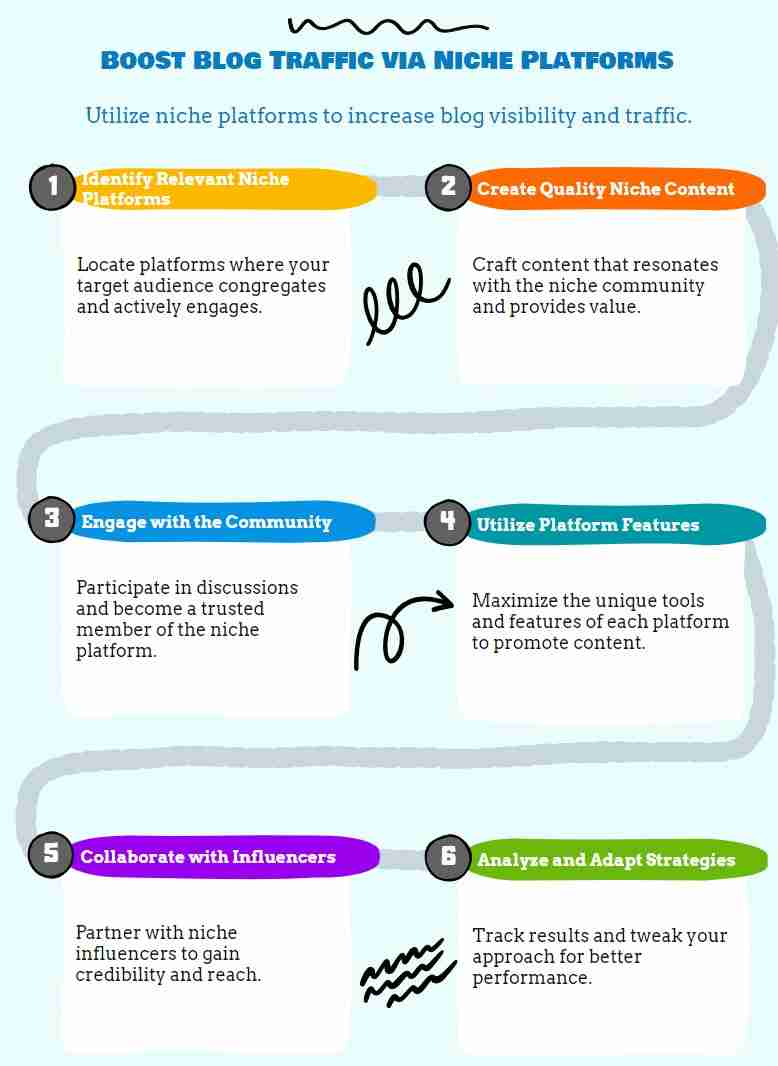
What Are The Benefits Of Blogging For Knowledge Sharing?
What Are The Benefits Of Blogging For Knowledge Sharing?
- A website blog serves as a reliable platform for sharing ideas and knowledge.
- It provides an accessible way for individuals and organizations to showcase their expertise.
- Blogging democratizes information, allowing anyone with internet access to contribute.
- The medium fosters diverse perspectives and encourages dialogue among readers.
- Writing a blog promotes critical thinking by requiring clear articulation of complex ideas.
- Storytelling in blogs creates emotional connections, enhancing the learning experience.
- Blogging is a powerful tool for knowledge sharing, benefiting both individuals and the community.

What Are The Benefits Of Blogging For Knowledge Sharing?
How Can Blogging Enhance Your Credibility As An Expert?
So, you’ve got a website that’s been gathering digital dust, and maybe a few crickets are chirping for good measure. If you want to boost your credibility as an expert in your field, it’s time to consider the immense value of a website blog. Why, you ask? Let me break it down for you in a way that makes sense.
First off, a website blog is your stage. It’s where the world can witness your craft, your knowledge, and your unique angle on things. When you put pen to paper—or more appropriately, fingers to keys—you’re not just slinging words; you’re establishing yourself as a thought leader. Sharing insights, expert tips, or even a few good old-fashioned stories can showcase your experience and expertise. It’s like showing up to a party dressed to the nines; people are going to take notice.
Now, let’s not forget about the old adage: “content is king.” Having a regularly updated blog provides fresh material for search engines to chew on. This means your website is more likely to pop up when someone’s looking for information related to your field. And when you’re the one appearing, people start to think, “Hey, this person knows their stuff!” You’re not just another name in the vast sea of Google results; you’re a beacon of knowledge.
But there’s more to it. A website blog allows for conversation. It opens the door for readers to engage with your content, ask questions, and maybe even challenge your ideas. When you respond thoughtfully to comments and inquiries, you not only showcase your expertise but also your willingness to engage. This interaction builds trust; after all, trust is the bedrock of credibility.
And let’s talk about visibility. Every time you publish a blog post, you’re generating shareable content. Readers can pass it along, and suddenly your expertise reaches an audience you may never have encountered. Social media can amplify this even further. With a little savvy promotion, your blog can find its way into the hands (and minds) of the very people who could use your expertise the most.
So, if you’re looking to enhance your credibility as an expert, start putting in the work. Fire up that website blog, dig into your knowledge, and share it. Because you never know, the next post could turn you from an unknown into the go-to expert in your field.

How Can Blogging Enhance Your Credibility As An Expert?
How Can Blogging Enhance Your Credibility As An Expert?
- A blog on your website helps establish you as a thought leader and showcase your expertise.
- Regularly updated content improves your website’s visibility in search engine results.
- Consistent blogging allows you to share insights and stories, enhancing your credibility.
- Engaging with readers through comments fosters trust and shows your willingness to connect.
- Blog posts create shareable content, increasing your reach and audience engagement.
- Social media promotion can amplify your blog’s visibility, reaching those who need your expertise.
- Starting a blog can transform you from an unknown into a recognized expert in your field.

How Can Blogging Enhance Your Credibility As An Expert?
What Topics Should You Consider Blogging About?
When it comes to jump-starting your website blog, the world is your oyster, but finding the right topics can feel like searching for a needle in a haystack. Fear not, my friends, because the key to a successful blog lies not just in the writing, but in the relevance of the topics you choose to explore. Let’s dig in, shall we?
First off, consider your passions. What makes you tick? Whether it’s grilling the perfect steak on the weekend, traveling to hidden gems around the globe, or even your obsession with restoring classic cars, sharing what you love can resonate with others. It’s like having a good conversation with a friend; your enthusiasm will shine through and draw readers in. Authenticity often trumps expertise in the blogging world.
Next, think about the questions people are asking. Nowadays, with the internet at our fingertips, searching for answers has become the norm. Consider tackling topics that pertain to common dilemmas or interests in your niche. For example, if you’re a fitness enthusiast, why not write about the most effective workouts for busy parents, or perhaps debunk some common fitness myths? Make it relatable, and you’ll forge a connection with your audience.
Don’t overlook trends either. The beauty of a website blog is that it can adapt to the ever-changing landscape of our lives. Are there new technologies shaking up industries? Maybe a viral recipe that everyone is talking about? Staying current—and sharing your unique take—can give your blog the spark it needs to ignite interest.
You should also consider sharing personal experiences or anecdotes. Life is a rich tapestry of stories, and your experiences, whether triumphs or failures, can inspire, entertain, or educate your readers. A well-crafted tale can draw readers in, making them feel as though they are right there beside you, experiencing all the ups and downs.
Lastly, don’t ignore the power of collaboration. Partnering with others in your field can create fresh content and expose you to new audiences. Whether it’s guest posts, interviews, or collaborations on projects, sharing different perspectives can broaden the scope of your website blog and breathe new life into your content.
So roll up your sleeves and get to it! Unearth the topics that intrigue you, resonate with your readers, and bring a little grit and gusto to the internet. After all, the best blogs do more than entertain; they build community by sparking conversations that matter.

What Topics Should You Consider Blogging About?
What Topics Should You Consider Blogging About?
- Finding the right topics for your blog can be challenging, but it’s essential for success.
- Focus on your passions; sharing what you love can resonate with readers and create authenticity.
- Address common questions or dilemmas in your niche to connect with your audience effectively.
- Keep an eye on current trends and adapt your content to reflect new developments and interests.
- Share personal experiences and anecdotes to engage and inspire your readers.
- Collaborate with others in your field for fresh content and to reach new audiences.
- The best blogs build community and spark meaningful conversations.

What Topics Should You Consider Blogging About?
How Often Should You Update Your Blog To Maintain Engagement?
When it comes to maintaining engagement on your website blog, the question of frequency looms large. A lot of folks might think that cranking out content every day is the golden ticket. But let’s pump the brakes for a moment and examine the reality behind that belief.
The truth is, the key to a thriving website blog isn’t just about how often you post; it’s about the quality of what you deliver. Readers today are inundated with information, and if your content isn’t resonating with their needs or interests, you could be churning out a marathon of posts without anyone showing up for the race.
So, what does this mean for frequency? Well, consistency is crucial. You want to become a reliable source for your audience without overwhelming them. Many successful bloggers find that updating their website blog once a week strikes the right balance. This frequency allows you to dive deep into your topics, produce valuable insights, and engage thoughtfully with your readers, rather than tossing out half-baked posts just to hit a quota.
However, I wouldn’t be doing you justice if I didn’t bring in a little practicality here. Life happens, and not everyone can devote endless hours to writing. Some niches thrive with less frequent but more detailed content. If you’re covering complex subjects that require substantial research, a bi-weekly or even monthly update could be more effective. Remember, it’s about engaging your audience and providing them with something they can sink their teeth into—not just filling space on your website blog.
Another aspect to consider is your audience’s expectations. If you draw a crowd that craves daily insights, then you might want to step it up. On the other hand, if your demographic leans toward more in-depth, analytical content, they might appreciate a slower, more thoughtful pace. Gauge what resonates with your audience—interact with them, ask for feedback, and adjust accordingly.
The lesson is clear: prioritize quality over quantity while keeping a consistent schedule. You’ll build a loyal community around your website blog that eagerly awaits your next thoughtful piece, and that’s what true engagement is all about.

How Often Should You Update Your Blog To Maintain Engagement?
How Often Should You Update Your Blog To Maintain Engagement?
- Frequency of posting on a blog is important, but not as critical as content quality.
- Quality engagement is more effective than churning out daily posts.
- Consistency in posting is crucial; once a week is a balanced approach for many bloggers.
- Deep, valuable insights engage readers better than frequent, shallow posts.
- Adjust posting frequency based on the complexity of topics; some niches may benefit from bi-weekly or monthly updates.
- Audience expectations should guide content frequency; engage with them for feedback.
- Prioritize quality over quantity to build a loyal community around your blog.

How Often Should You Update Your Blog To Maintain Engagement?
What Are The Key Strategies For Promoting Your Blog?
When it comes to promoting your blog effectively, you’ve got to roll up your sleeves and get to work. There’s no sugar-coating it; the digital world is as competitive as a wrestling match in a grease pit. But with the right strategies, you can give your blog the exposure it deserves and cultivate a loyal audience. So, let’s dive into some key tactics for taking your website blog from the shadows to the spotlight.
First things first: you need quality content that resonates. This isn’t just about throwing words on a page; it’s about crafting posts that engage readers and provide value. Whether you’re tackling a niche topic or a broader theme, aim for that sweet spot where your passion and your readers’ interests collide. Throw in some well-researched data, anecdotes, or humor, and you’ll find your blog not only attracts visitors but keeps them coming back for more.
Now, once you’ve got your stellar content lined up, it’s time to spread the word. Social media platforms are your best friend, and the connections you build are crucial. Share snippets of your blog posts across various channels—Twitter, Facebook, Instagram, or LinkedIn—whatever fits your style and audience. Don’t just be a passive publisher; engage with your followers. Ask questions, respond to comments, and create a community around your website blog. If readers feel like they’re part of a conversation, they’re much more likely to return.
Email marketing is another powerful tool in your promotional arsenal. Set up a newsletter that offers exclusive insights or the latest blog posts directly to your subscribers. Make it easy for visitors to sign up with clear calls to action, and don’t forget to deliver value in every email. Over time, you’ll nurture an audience that’s excited to read what you write.
Collaborations can also elevate your blog. Reach out to other bloggers or influencers within your niche for guest posts or features. This not only introduces your work to a wider audience but also helps you build valuable relationships.
Finally, don’t underestimate the power of SEO. Optimizing your content for search engines might seem like a chore, but it pays off tremendously. A well-optimized website blog can attract organic traffic and keep the visitors flowing, turning casual readers into loyal followers.
With perseverance and the right strategies, your blog can thrive amid the digital noise. Embrace the hustle, keep learning, and share your voice with the world. The effort you invest today will bear fruit tomorrow.

What Are The Key Strategies For Promoting Your Blog?
What Are The Key Strategies For Promoting Your Blog?
- Promoting your blog requires hard work and strategic efforts to stand out in a competitive digital landscape.
- Quality content is essential; focus on creating engaging, valuable posts that resonate with your audience.
- Utilize social media to share snippets of your blog and engage with followers to build a community.
- Email marketing is a powerful tool; set up a newsletter to provide exclusive insights and drive audience engagement.
- Collaborate with other bloggers or influencers to expand your reach and build relationships.
- Optimize your content for search engines (SEO) to attract organic traffic and convert casual readers into loyal followers.
- With perseverance and effective strategies, your blog can thrive; invest effort now for future success.

What Are The Key Strategies For Promoting Your Blog?
How Can SEO Improve The Visibility Of Your Blog?
When it comes to spreading the word about your work, having a solid website blog is like having a brightly lit sign in the middle of a dark road. You’ve invested time and energy into crafting your thoughts, opinions, and insights, yet if that blog isn’t optimized for search engines, you might as well be shouting into the void. So, let’s unpack how SEO can elevate your blog from obscurity to visibility.
First off, think of search engines as the gatekeepers of information. When someone types a query into the search bar, they’re looking for answers, and they want them fast. If your website blog isn’t optimized, you risk being sent to the proverbial bottom of the pile where few people dare to venture. On the flip side, with the right SEO strategies, your blog can climb the ranks and land on those coveted first-page results.
At its core, SEO is about making your content accessible and appealing, not just to readers, but to search engines too. You’ll want to start with keyword research—understanding what terms and phrases your audience is searching for. By incorporating these keywords strategically in your blog’s headlines, subheadings, and content, you invite search engines to recognize the relevance of your work. This is a vital part of the process that can seem tedious but is worth every ounce of effort when you see traffic surge.
But hold on! SEO doesn’t stop at keywords. You’ve got to think about the overall structure of your website blog as well. A clean layout, fast loading times, and mobile optimization are crucial. A simple, intuitive design invites readers in, while a clunky, slow site sends them packing. You want your blog to be a welcoming place, not a digital labyrinth.
Then there’s the art of link building. When other websites link back to your blog, it’s like getting a recommendation from a well-respected source. This not only drives traffic but also signals to search engines that your content is trustworthy and worthwhile.
Of course, regular updates and fresh content keep your blog dynamic and appealing. By consistently posting new material and engaging with your audience through comments and social media, you create a community while improving your search rankings.
Investing in SEO for your blog isn’t just about hitting numbers; it’s about ensuring your voice is heard. With the right approach, you can turn your website blog into a vibrant hub of information that attracts readers from all walks of life.

How Can SEO Improve The Visibility Of Your Blog?
How Can SEO Improve The Visibility Of Your Blog?
- A solid blog is essential for visibility and promotion of your work.
- Search engines serve as gatekeepers; optimization is crucial for getting noticed.
- SEO helps your blog rank higher in search results with effective strategies.
- Keyword research is vital; using relevant terms improves search engine recognition.
- Website structure matters; a clean layout, fast loading times, and mobile optimization are essential.
- Link building enhances credibility by getting recommendations from respected sources.
- Regular updates and fresh content foster community engagement and improve search rankings.

How Can SEO Improve The Visibility Of Your Blog?
Conclusion
Alright, folks, let’s wrap this up and put a nice bow on it. Blogging—sometimes it feels like a crowded marketplace where everyone’s shouting for attention. But if you peel back the layers, you’ll find that a well-crafted blog isn’t just noise; it’s a powerful megaphone for your knowledge. In a digital world where information flies by faster than a speeding train, a blog offers you a platform to stand your ground, share your insights, and build a genuine community. It’s your chance to take the reins, control the narrative, and present your expertise to a wider audience unfiltered by pesky algorithms.
But here’s the kicker—blogging isn’t a walk in the park; it takes serious grit. It requires planning, engaging writing, and a commitment to consistently connect with your audience. You’re not just cranking out posts; you’re creating a resource that can enlighten and inspire. Every article is like a breadcrumb leading someone down the path of your expertise, where curiosity can bloom and ideas can flourish. So, if you’re ready to take on this endeavor, prepare to roll up those sleeves and get to work.
And remember, it’s not just about the nitty-gritty details or crafting the perfect post. It’s about sparking a conversation—a digital handshake with your readers. Feedback transforms your monologue into a dialogue, helping you sharpen your skills and expand your understanding. Sure, the effort may seem daunting at first, but the rewards? Oh, they’re multifaceted. From boosting your credibility as an expert to fostering a loyal community, the impact can be life-changing.
In the grand scheme, blogging offers limitless opportunities. It’s a chance to grow your presence online, share your passions, and educate a world that’s infinitely curious. So, whether you’re writing about knitting, quantum physics, or the latest fitness trends, know this: your voice matters. The world is ready for your insights, your experiences, and your unique perspective. So grab that keyboard and start tapping away, my friends! Your knowledge is worth sharing, and who knows? You might just be the expert someone out there has been searching for.

Conclusion
Conclusion:
- Blogging serves as a powerful platform to share knowledge in a crowded digital marketplace.
- It offers a chance to control the narrative and connect with a wider audience without algorithm interference.
- Effective blogging requires planning, engaging writing, and consistent audience interaction.
- Each blog post acts as a breadcrumb, guiding readers to your expertise and fostering curiosity.
- Engagement with readers turns blogging into a dialogue, enhancing both skills and understanding.
- Blogging can boost credibility, build a loyal community, and lead to life-changing opportunities.
- Your unique voice is valuable; don’t hesitate to share your insights and experiences with the world.

Conclusion
Other Resources

Other Resources
Here is a list of other resources you can review online to learn more:
- Roboflow.com
- Word-spinner.com
- Audible
- The-good-ai.com
- Teachablemachine.withgoogle.com
- Waymark.com
- Yodayo.com
- Mage.space
- Apple Podcasts
- Magneto
Use This Prompt To Get More Resources With Your Favorite Online AI Tool: Please provide me with a list of online articles with their URLs in a bulleted list that I can read regarding Is Blogging The Ultimate Way to Share Your Knowledge?

Other Resources
Glossary Terms
Is Blogging The Ultimate Way to Share Your Knowledge? – Glossary Of Terms
1. Blog: A regularly updated website where individuals share their thoughts, experiences, or knowledge on various subjects.
2. Content: The information, insights, or entertainment provided through blog posts, including text, images, videos, and audio.
3. Audience: The readers or viewers of a blog, which can vary based on the blog’s focus and target demographic.
4. Niche: A specific area of interest or topic that a blog focuses on, allowing for targeted content and audience engagement.
5. SEO (Search Engine Optimization): The practice of optimizing blog content to improve visibility and ranking in search engine results.
6. Engagement: The interaction and participation of readers with the blog, such as comments, shares, and likes.
7. Post: An individual article or entry on a blog that typically covers a specific topic or theme.
8. URL (Uniform Resource Locator): The web address of a blog or individual blog post, which makes it accessible online.
9. Affiliate Marketing: A monetization method where bloggers earn commissions by promoting other companies’ products and services.
10. Analytics: The collection and analysis of data about blog traffic, reader behavior, and engagement to understand performance.
11. WordPress: A popular content management system used to create and manage blogs and websites easily.
12. Editorial Calendar: A plan that outlines when and what content will be published on a blog to maintain consistency.
13. Guest Blogging: Writing and publishing content on someone else’s blog to reach a broader audience and build backlinks.
14. Call to Action (CTA): A prompt that encourages readers to take a specific action, such as subscribing, sharing, or purchasing.
15. Branding: The process of creating a unique identity and presence for a blog, involving logos, color schemes, and messaging.
16. Monetization: The process of generating income from blogging through various methods, including advertising, sponsored posts, and selling products.
17. Domain Name: The unique web address that identifies a blog (e. g. , www. exampleblog. com).
18. Responsive Design: A design approach that ensures a blog is accessible and functions well on various devices, including smartphones and tablets.
19. Link Building: The practice of acquiring hyperlinks from other websites to increase a blog’s authority and visibility in search engines.
20. Content Strategy: A comprehensive plan that outlines the goals, audience, and types of content to be created for a blog.
21. Syndication: Sharing blog content on various platforms or other websites to reach a larger audience.
22. RSS Feed: A technology that allows users to subscribe to blog updates and receive new posts automatically.
23. Editorial Style Guide: A set of guidelines that dictate the writing style, tone, and formatting for blog posts to ensure consistency.
24. Social Media Integration: Tools and practices that connect a blog with social media platforms to enhance sharing and audience interaction.
25. Lead Generation: The process of attracting and converting potential customers through blog content and offers.
26. Evergreen Content: Content that remains relevant and valuable over time, providing ongoing traffic and engagement.
27. Influencer Marketing: Collaborating with influential bloggers or individuals in a niche to promote a blog or its content to a broader audience.
28. Community Building: The process of fostering relationships and engagement among readers through comments, forums, and social media.
29. User Experience (UX): The overall experience a reader has with a blog regarding usability, navigation, and satisfaction.
30. Voice and Tone: The personality and style in which a blog’s content is written, which can vary based on audience and purpose.

Glossary Of Terms
Other Questions
Is Blogging The Ultimate Way to Share Your Knowledge? – Other Questions
If you wish to explore and discover more, consider looking for answers to these questions:
- What are the essential elements of a successful blog?
- How can I improve my writing skills for blogging?
- What tools can help me manage and promote my blog?
- How can I measure the success of my blog?
- What common mistakes should I avoid while blogging?
- How do I find my blogging niche?
- How can I create engaging blog content?
- What role does audience feedback play in blogging?
- How can I stay motivated to blog consistently?
- What are some effective ways to monetize my blog?
- How do I handle negative feedback or criticism on my blog?
- What are the legal considerations for blogging (e.g., copyright, disclosures)?
- How can guest blogging impact my site’s visibility?
- What platforms or services can help me host my blog?
- How can I expand my blog’s reach beyond my current audience?

Other Questions
Haiku
Is Blogging The Ultimate Way to Share Your Knowledge? – A Haiku
Blogging your knowledge,
A voice in the digital,
Craft, share, and inspire.

Haiku
Poem
Is Blogging The Ultimate Way to Share Your Knowledge? – A Poem
In a world where thoughts like confetti fly,
And fleeting glances pass us by,
There lies a space, both calm and vast,
A digital haven—your knowledge to cast.
Oh, blogging, the quiet stage you create,
Where passion ignites and ideas await.
With every keystroke, a tale to unfold,
Your expertise shining, a treasure of gold.
No more bound by the whims of the crowd,
You dictate the narrative, stand tall and loud.
From knitting to physics, dive deep, explore,
Each post a beacon, opening knowledge’s door.
Yet, heed this call—as blossoms need care,
Your words must engage, they must be rare.
Tend to your garden; cultivate, respond,
With a vibrant community, you’ll flourish beyond.
In this river of facts, let your voice ring clear,
A resource for seekers, they’ll flock ever near.
So many questions float in the breeze,
Your insights await—write, share, and please!
For blogging is art, woven with threads,
Of stories, experiences, and paths that we tread.
Every comment, a dialogue, a chance to connect,
Drawing you closer, building respect.
A rhythm you find in the pulse of your craft,
Engage and adapt—it’s the blogging draft.
Quality triumphs, consistency a friend,
With patience and passion, the journey won’t end.
Promote with intention, let your light shine bright,
Social connections turn shadows to light.
Your blog, not a diary, but a living space,
Where knowledge and community interlace.
So grab that keyboard, let the words flow,
Share your wisdom; let your spirit glow.
For in every phrase, a universe stirs,
Blogging is more than mere thoughts—it’s ours.

Poem
Checklist
Is Blogging The Ultimate Way to Share Your Knowledge? – A Checklist
Preparation
1. Identify Your Purpose: Establish why you want to start a blog (e. g. , share knowledge, connect with others, enhance credibility).
2. Select Your Niche: Choose a specific subject area where you have expertise or passion.
3. Define Your Audience: Understand who you want to reach and what their interests are.
Content Creation
4. Plan Your Content: Outline the topics you want to cover based on your passion and audience’s interests.
5. Engaging Titles: Create catchy titles that attract attention.
6. Write Regularly: Commit to a consistent writing schedule (e. g. , weekly, bi-weekly).
7. Quality Over Quantity: Focus on delivering valuable, well-researched content that addresses readers’ needs.
Structure and Design
8. Responsive Design: Ensure your blog is mobile-friendly and easy to navigate.
9. SEO Optimization:
_____ Conduct keyword research relevant to your topics.
_____ Use keywords strategically in titles, headers, and throughout your content.
10. Internal and External Links: Incorporate links to other relevant posts or credible sources to enhance authority.
Engagement
11. Encourage Interaction: Ask questions or include prompts that invite reader comments.
12. Respond to Comments: Engage with your audience by replying to their insights or inquiries.
13. Create a Community: Foster interaction among readers to build a sense of belonging.
Promotion
14. Share on Social Media: Utilize various platforms (Twitter, Facebook, Instagram) to promote each blog post.
15. Email Marketing: Setup a newsletter to keep your subscribers informed about new content.
16. Collaborate with Others: Partner with fellow bloggers for guest posts, interviews, or joint projects.
Maintenance
17. Update Content: Regularly refresh older posts to ensure they remain relevant and accurate.
18. Monitor Analytics: Use tools to track reader engagement and growth, adjusting your strategy as necessary.
19. Solicit Feedback: Ask your audience for suggestions on topics or improvements.
Continuous Improvement
20. Stay Informed: Keep up with industry trends and interests in your niche.
21. Refine Your Skills: Continuously work on improving your writing and blogging techniques.
22. Celebrate Milestones: Acknowledge your achievements to motivate ongoing commitment to your blogging journey.
By following this checklist, you can effectively share your knowledge and establish yourself as an expert in your chosen field through blogging. Happy blogging!

Checklist
At WebsiteBloggers, we help website bloggers develop strategies to create content, traffic, and revenue from website blogs based on our experiences and experimentation.
Be sure to read our other related stories at WebsiteBloggers and share this article with your friends, family, or business associates who run website blogs.