Unveiling The Memes: Age Group Engagement
By Tom Seest
At WebsiteBloggers, we help website bloggers develop strategies to create content, traffic, and revenue from website blogs based on our experiences and experimentation.
Be sure to read our other related stories at WebsiteBloggers and share this article with your friends, family, or business associates who run website blogs.
How Do Different Age Groups Discover and Consume Memes?
When it comes to memes, age can be a big factor in how different generations discover and consume these fleeting bits of humor. Just like our preferences in music or fashion, memes reveal a lot about where we’re coming from and how we see the world. There’s a fascinating spectrum of experience depending on whether you’re part of the digital natives or the slightly more seasoned crowd.
Let’s start with the younger crowd, those sprightly teenagers and twenty-somethings who practically breathe TikTok and Instagram. For them, memes are as common as air. They often find new content through social media feeds—swiping, liking, and sharing faster than you can say “dank meme.” Their go-to sources are websites and blogs that curate the most viral content, often prioritizing humor that resonates with their unique experiences. Quick, punchy, and visual—this is how they like their memes served up. Need a laugh? Just scroll through a Twitter timeline, and you’ll find a smorgasbord of humor at your fingertips, updated in real-time.
Now, shift your focus just a bit and you’ll find Generation X and Y dabbling in a mix of traditional and digital media. They still cherish websites and blogs for curated humor, but they’re also more likely to stumble across a meme while reading an article or sharing a Facebook post. This discovery process feels like a treasure hunt, blending the cherished nostalgia of pre-internet days with the modern convenience of digital interaction. They may not be the fastest scrollers, but they take their time, sharing memes that resonate with their life experiences, often resulting in layered jokes with deeper meanings.
And then there’s the older generation, those digital explorers who navigate the meme landscape with curiosity but perhaps a touch of trepidation. They might not be as immersed in social media but are keen to partake in the jovial nature of memes. A funny one-liner shared in an email chain or a quirky image that pops up in a group chat is often their meme gateway. They are usually savvy enough to search for websites and blogs that cater to their taste, finding humor in context rather than going down the rabbit hole of endless scrolls.
So, whether you’re a young millennial jumping on trends or a seasoned baby boomer finding joy in wit, the meme experience varies greatly. Every age group interacts with these little pieces of culture in their unique way, shaped by the tools and contexts of their times. Each click, share, and laugh tells a story of connection, reflection, and sometimes, just plain silliness.
How Do Different Age Groups Discover and Consume Memes?
How Do Different Age Groups Discover and Consume Memes?
- The way different generations discover and consume memes varies significantly based on age.
- For younger audiences (teenagers and twenty-somethings), memes are ubiquitous, primarily accessed through platforms like TikTok and Instagram.
- These younger users engage with memes by swiping, liking, and sharing content quickly, favoring punchy and visual humor.
- Generation X and Y often mix traditional and digital media for meme discovery, blending nostalgia with modern convenience.
- This group tends to appreciate layered jokes and deeper meanings in memes, sharing those that resonate with their life experiences.
- The older generation may approach memes more cautiously, often finding humor in shared emails or group chats rather than through social media frenzy.
- Overall, each generation interacts with memes in a way shaped by their unique tools and contexts, highlighting stories of connection and silliness.

How Do Different Age Groups Discover and Consume Memes?
Table Of Contents
- How Do Different Age Groups Discover and Consume Memes?
- How Do Younger Audiences Find Memes Online?
- What Platforms Are Popular For Memes?
- How Do Older Generations Discover Memes?
- What Role Do Social Media Algorithms Play?
- How Do Memes Influence Communication Styles?
- Are There Age-Related Meme Preferences?
- How Do Viral Trends Spread Across Age Groups?
- Conclusion
- Other Resources
- Glossary Of Terms
- Other Questions
- Haiku
- Poem
- Checklist
How Do Younger Audiences Find Memes Online?
In the vast, often chaotic expanse of the internet, younger audiences have become adept navigators of the ever-evolving meme landscape. These digital artifacts, steeped in humor and social commentary, often serve as a mirror reflecting the zeitgeist of our times. But how do these younger users, a generation born into pixels and clicks, actually stumble upon the memes that keep their social feeds buzzing?
First and foremost, social media platforms are the equivalent of an all-you-can-eat buffet for meme hunters. With Twitter, Instagram, TikTok, and Snapchat leading the charge, these websites are essentially repositories of user-generated content, where memes flourish. As friends share, like, and comment, these brief flashes of cultural relevance proliferate, creating a gravitational pull that draws in the next wave of viewers. Algorithms, those unyielding gatekeepers of our online lives, tailor meme feeds based on user preferences, ensuring that fresh content is never more than a swipe away.
However, it’s not just about the platforms. Many younger audiences also turn to dedicated websites and blogs to explore memes more deeply. These spaces, often filled with humor analyses and retrospective pieces, allow users to engage with the lore behind their favorite memes and discover variations that may have slipped through the cracks. These blogs often serve as a compass, guiding readers through the often turbulent seas of trending content.
Furthermore, influencers play a pivotal role in meme dissemination. Content creators, those modern-day jesters, generate and share memes on their channels. As these influencers amass followings, their personalized take on trends can elevate obscure memes into viral sensations. It’s a storytelling approach that is both artful and strategic, allowing memes to transcend their original contexts and reach broader audiences.
And let’s not overlook the real-world interactions that fuel this meme engine. Events like pop culture conventions or simply sharing a laugh with friends provide fertile ground for discussion and discovery. Many memes are born from the collective experiences of youth, often sprouting from inside jokes that blossom in group chats or on the playground before taking flight online.
So, whether they’re scrolling through their favorite social media websites, diving into blogs filled with insights, or simply chatting with friends, younger audiences have mastered the art of meme hunting, turning it into both a cultural commentary and a shared pastime in our digital age.
How Do Younger Audiences Find Memes Online?
How Do Younger Audiences Find Memes Online?
- Young audiences are skilled at navigating the meme landscape of the internet.
- Social media platforms like Twitter, Instagram, TikTok, and Snapchat serve as primary sources for memes.
- Algorithms on these platforms customize meme feeds based on user preferences.
- Many users also explore dedicated websites and blogs for deeper engagement with memes.
- Influencers play a crucial role in sharing and popularizing memes, often making obscure memes viral.
- Real-world interactions and events contribute to meme creation, stemming from shared experiences.
- Younger audiences transform meme hunting into a cultural commentary and a shared pastime.

How Do Younger Audiences Find Memes Online?
What Platforms Are Popular For Memes?
Memes, those delightful nuggets of humor and commentary, have become the modern equivalent of storytelling passed from one person to another. But where are these memes born, and where do they thrive? Let’s dive into the popular platforms that have shaped meme culture.
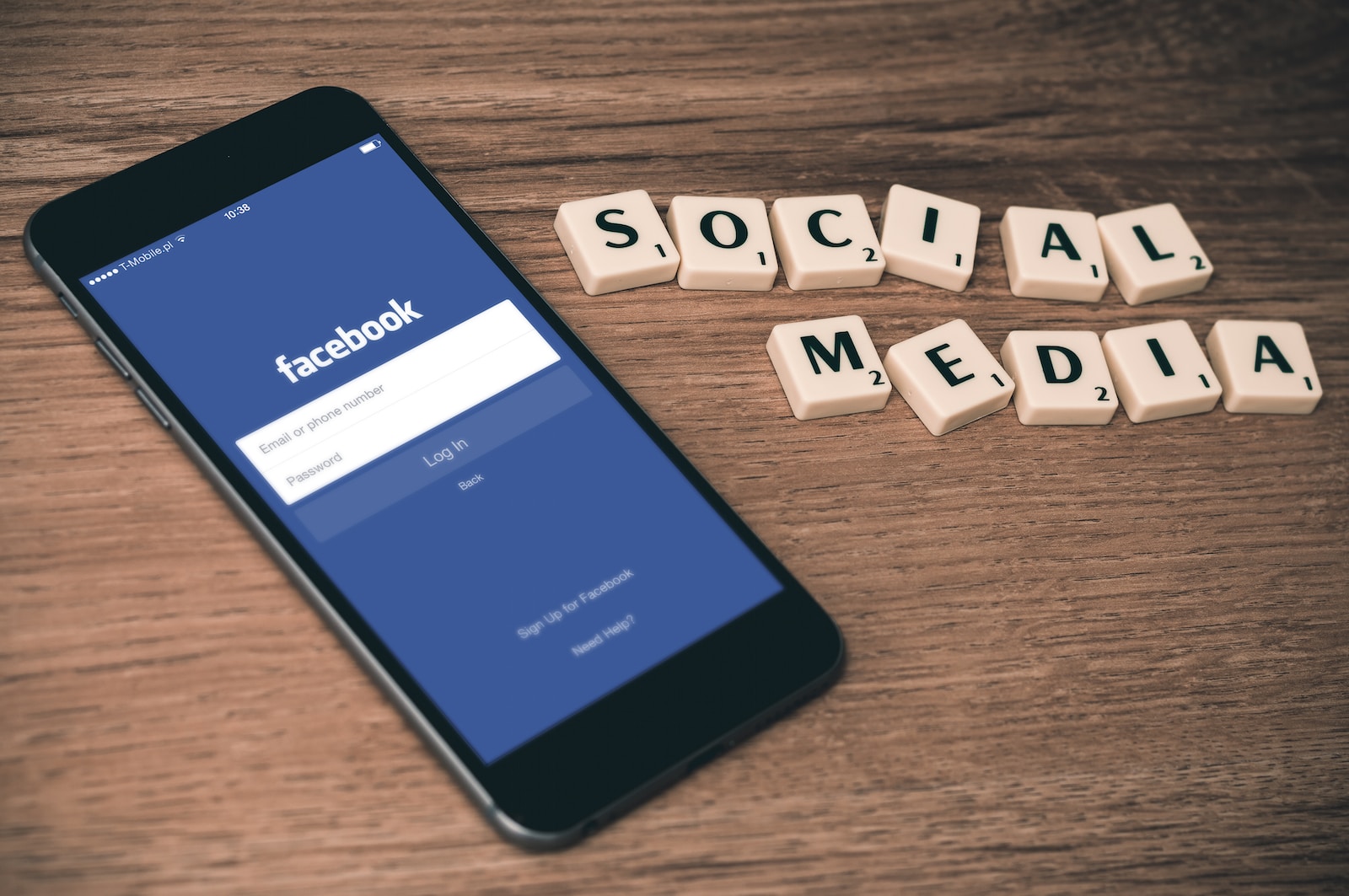
First up, we have social media giants like Instagram and Facebook. These platforms are the bread and butter of meme dissemination. You scroll through your feed, and suddenly, there it is: a perfectly crafted meme that resonates so deeply, it feels like it was made just for you. Instagram’s visual-focused layout is perfect for those quick, eye-catching images that convey humor in a heartbeat. Facebook, meanwhile, serves as a larger community where memes can spark discussions and debates, sometimes leading to long chains of comments that add even more context and humor.
Then there’s Twitter, the fast-paced platform where brevity reigns supreme. The meme culture here is particularly dynamic, with users able to craft memes that blend text and images in split seconds. A single tweet can ignite a meme storm, where variations spin off like wildfire, each one building on the last. Twitter is where you might see a trending topic morph into a meme almost overnight, showcasing the rapid-fire creativity of the online community.
Now let’s not forget about TikTok. This platform has revolutionized how memes are made and shared, as it combines video and audio in a way that encourages creativity and spontaneity. Users can take a soundbite, flip it on its head, and create content that reaches millions almost instantly. The cycles of trends are dizzying, but there’s a refreshing immediacy to it all, making TikTok a hotbed for viral moments.
Reddit also deserves a mention. This platform is like a giant treasure chest of memes, where users can share, upvote, and engage with content that’s sometimes more niche or sophisticated. Subreddits focused on memes often curate the best of the best, bringing forth a communal appreciation for humor that’s relatable, obscure, or downright absurd.
Lastly, let’s touch on meme-specific websites and blogs. These dedicated spaces allow for the exploration of meme culture in depth. From history to analysis, blogs can dissect what makes certain memes tick while platforms like 9gag serve as a continual conveyor belt of fresh and trending content.
So there you have it: a brief but colorful tour of the platforms that fuel our collective laugh-fest through memes. Whether through a blog post or the swipe of your finger on a screen, the world of memes is thriving, and it’s a joy to behold.

What Platforms Are Popular For Memes?
What Platforms Are Popular For Memes?
- Memes serve as modern storytelling, humor, and commentary shared across platforms.
- Instagram and Facebook are key for meme dissemination, with Instagram focusing on visual appeal and Facebook fostering community discussions.
- Twitter allows rapid meme creation, combining text and images, with trends often morphing into memes overnight.
- TikTok revolutionizes meme creation by blending video and audio, driving creativity and encouraging spontaneous content sharing.
- Reddit acts as a treasure trove of memes, featuring niche content and a communal appreciation for humor.
- Meme-specific websites and blogs analyze and explore meme culture, offering detailed insights and fresh content.
- The world of memes thrives across various platforms, creating a vibrant space for shared laughter and creativity.

What Platforms Are Popular For Memes?
How Do Older Generations Discover Memes?
In recent years, the world of memes has grown exponentially, often leaving older generations scratching their heads in confusion. You see, when it comes to discovering these cultural nuggets of humor, it’s a bit like watching a foreign movie without subtitles. But fear not! There are ways for older generations to dive into the meme-riddled waters without sinking.
First off, let’s not underestimate the power of the Internet. Websites dedicated to humor and viral content serve as a treasure trove for anyone looking to get a taste of the latest meme trends. You have websites that curate these digital gems, showcasing everything from the absurd to the downright hilarious. Furthermore, blogs can become a golden resource for those seeking a hand-holding introduction to this new dialect of the Internet. A well-written blog can dissect the origins and meanings of popular memes while providing context, which can be particularly useful for those who might feel a tad lost.
Then there’s the trusty social media platform. While younger folks may navigate these platforms like seasoned sailors, older users might find themselves in choppy waters. However, social media can be an excellent way for older generations to explore memes. Following trend-savvy friends or family members can lead to an organic flow of content. It’s a delightful game of digital tag that requires minimal effort—just scroll and click.
Education, my friends, comes in many forms. You may find that some older individuals choose to become self-taught explorers of meme culture. With a simple search on their preferred search engine, they can dive into a world of explanations, dissection, and even tutorials. Who knew that curiosity could fuel the desire to understand why a frog wearing a crown is suddenly a symbol of internet royalty?
Lastly, let’s not forget the strong influence of pop culture and current events. Memes often spring from the very fabric of society, reflecting what’s happening in our world. News stories, celebrity antics, and political events can all become fodder for meme creation. Older generations who keep an eye on the headlines might unwittingly engage with memes, simply because they’re aware of the topic or event being referenced.
So, while memes may initially appear to be an exclusive club, older generations have plenty of avenues to familiarize themselves with this vibrant aspect of contemporary culture. Who knows? They might even find themselves chuckling at a pasta-loving squirrel or pondering the existential crisis of a distracted boyfriend.

How Do Older Generations Discover Memes?
How Do Older Generations Discover Memes?
- The meme culture has rapidly evolved, often confusing older generations.
- Internet websites dedicated to humor and viral content serve as valuable resources for meme trends.
- Blogs can help explain the origins and meanings of popular memes, providing context for newcomers.
- Social media offers a platform for older users to explore memes through following trend-savvy friends and family.
- Some older individuals become self-taught in meme culture through online searches and tutorials.
- Memes often reflect current events and pop culture, making them relatable for those keeping up with the news.
- Older generations can successfully engage with memes, potentially leading to enjoyment and laughter.

How Do Older Generations Discover Memes?
What Role Do Social Media Algorithms Play?
Now, let’s dig into the nitty-gritty of social media algorithms. These invisible puppeteers are the backbone of how we experience the digital landscape. You might wake up, scroll through your feed, and wonder why cat videos dominate your screen instead of your cousin’s vacation photos. Well, folks, that’s all due to the magic—or perhaps the madness—of algorithms.
Social media platforms, like a well-oiled machine, leverage complex algorithms to suss out what content resonates with users. Every click, like, share, and scroll paints a portrait of your online preferences. The more you engage with certain types of content, the better these algorithms become at predicting what you’ll want to see next. It’s a bit like a website blog that knows your interests better than you do. You may start with a mild curiosity about a home improvement project, and before you know it, your feed is flooded with DIY videos, how-to guides, and product recommendations that align perfectly with your newfound enthusiasm.
At first glance, this may seem beneficial—after all, who doesn’t want content tailored to their tastes? However, there’s a flip side to this digital coin. Algorithms can create echo chambers, surrounding you with a chorus of opinions that reinforce your own. When this happens, broader perspectives take a backseat, and you might find yourself blissfully unaware of differing viewpoints, toggling between an endless loop of similar ideas. It’s like attending a party where the same few folks dominate the conversation, leaving no room for others to chime in.
Moreover, these algorithms aren’t just passive observers; they’re proactive. They’re constantly evolving, tweaking their methods to keep you glued to the screen. The longer you stay engaged, the more value these platforms derive from your attention, and that attention is their currency. This is where challenges arise. As users, we must remain vigilant, so we don’t inadvertently surrender our critical thinking skills to the algorithm’s whims. After all, just because an algorithm says it’s popular doesn’t mean it’s a gold standard.
In this age of information overload, understanding the role of algorithms helps us navigate social media responsibly. So, the next time you find yourself endlessly scrolling, take a moment to consider who’s really steering the ship.

What Role Do Social Media Algorithms Play?
What Role Do Social Media Algorithms Play?
- Social media algorithms shape our online experience by determining what content we see.
- Engagement with content (clicks, likes, shares) helps algorithms predict our preferences.
- While personalized content can be enjoyable, it can also lead to echo chambers of similar opinions.
- Echo chambers may restrict exposure to diverse perspectives and ideas.
- Algorithms continuously evolve to maximize user engagement and retention on platforms.
- Users should be vigilant to maintain their critical thinking skills amidst tailored content.
- Awareness of algorithms can help users navigate social media more responsibly.

What Role Do Social Media Algorithms Play?
How Do Memes Influence Communication Styles?
In today’s digital landscape, it seems like every corner of the internet is overflowing with memes—those snappy, easily shareable bits of humor that have become the oil on the gears of online communication. Now, let me be clear: memes are more than just funny pictures with witty captions. They’re a language of their own, one that shapes the way we express ourselves and connect with one another. You see, when a person shares a meme, they’re not just sending a joke; they are weaving together a tapestry of emotions, opinions, and cultural references that resonate with others.
Take, for instance, the way a meme can succinctly articulate a complex feeling. You’ve got your serious thinkers and deep communicators, but let’s face it—sometimes it’s just easier to share a meme than to dive into a full-blown philosophical discussion. When we reach for that image of a cat giving a sassy side-eye, we’re communicating a whole spectrum of feelings we might struggle to put into words. It cuts to the chase, giving others a quick laugh while making a point. This evolution in communication is particularly noticeable on social media platforms, where brevity reigns supreme, and attention spans are shorter than that last cat video you watched.
Additionally, memes allow for a kind of social bonding that traditional communication styles often miss. When you and your friends share an inside joke via a particular meme, it strengthens your connection and solidifies your shared experiences. This phenomenon isn’t confined to a specific group; it transcends borders and cultures. A well-timed meme can spark a discussion among strangers, turning a mundane website blog comment section into a lively exchange filled with laughter and understanding.
However, it’s essential to recognize that while memes can foster camaraderie, they can also serve as a double-edged sword. Misinterpretations can arise, and what was intended as lighthearted can quickly spiral into controversy. The nuanced nature of how memes convey messages makes understanding the audience all the more crucial.
So, the next time you find yourself scrolling through a feed dotted with memes, take a moment to appreciate not just the humor, but the layers of meaning they encapsulate. They’re influencing how we communicate—one meme at a time.

How Do Memes Influence Communication Styles?
How Do Memes Influence Communication Styles?
- Meme culture is prevalent in today’s digital landscape, contributing significantly to online communication.
- Memes serve as a unique language, conveying emotions and cultural references beyond just humor.
- They provide a quick way to express complex feelings, often more effectively than traditional discussions.
- Memes can facilitate social bonding by strengthening connections through shared humor and experiences.
- The impact of memes transcends cultural and geographical boundaries, fostering dialogue among diverse audiences.
- Despite their positive aspects, memes can lead to misunderstandings and controversies if misinterpreted.
- Recognizing the deeper meanings in memes can enhance our understanding of their role in modern communication.

How Do Memes Influence Communication Styles?
Are There Age-Related Meme Preferences?
When you dive into the world of memes, you quickly discover it’s not just a rabbit hole of funny images and clever captions — it’s a vast cultural landscape reflecting the tastes of different generations. This begs an intriguing question: Are there age-related meme preferences?
Let’s paint a picture. Imagine two people scrolling through their favorite website blog. On one side, you have your Gen Z friend, their eyes glued to an endless stream of TikTok-inspired memes. They revel in the irony, absurdity, and rapid-fire humor that define this digital age. Their favorites often feature fleeting trends, inside jokes, or references to contemporary pop culture that leave older folks scratching their heads.
Now contrast that with your boomer uncle, who, when he isn’t watching the news or tinkering with his vintage car, is perusing the internet. You might find him chuckling at memes laden with nostalgia—think classic cartoons or iconic movie quotes from his heyday. His humor tends to lean toward puns and visuals that tap into experiences that shaped his life, like that infamous “Pepe the Frog” meme, which he’s only just starting to understand.
The differences in taste highlight a generational gap defined not just by humor, but also by the technology they grew up with. Younger folks are accustomed to consuming content that’s fast-paced and often fleeting. A meme that captures their attention might be gone in a matter of days. Older generations, however, might be more drawn to memes that evoke a sense of nostalgia or invoke topics of deeper social significance, which may take a bit longer to digest.
Additionally, the platforms contribute to these preferences. TikTok and Instagram dominate the younger landscape, with short videos and rapid-fire picture memes ruling the day. Meanwhile, Facebook remains a bastion for older generations, where longer posts and shared images reign supreme.
All of this points to a straightforward conclusion: yes, age-related meme preferences exist, and it’s not just about age – it’s about what resonates due to a lifetime of differing experiences. With every scroll of a website blog, a different world of humor unfolds, shaped by perspective, age, and the culture that comes with it. Understanding these nuances is a key part of connecting across generations in an increasingly digital world.
Are There Age-Related Meme Preferences?
Are There Age-Related Meme Preferences?
- Meme culture reflects the tastes of different generations, raising questions about age-related preferences.
- Gen Z favors TikTok-inspired memes characterized by irony, absurdity, and rapid-fire humor.
- Older generations, like boomers, prefer nostalgic memes featuring classic cartoons and iconic quotes.
- The generational gap is evident in humor styles, with younger individuals enjoying fast-paced content and older ones appreciating deeper messages.
- Platform usage influences meme preferences; TikTok and Instagram are popular with younger users, while Facebook appeals to older demographics.
- Age-related meme preferences arise not only from age but also from differing life experiences.
- Understanding these differences fosters better connections across generations in the digital landscape.

Are There Age-Related Meme Preferences?
How Do Viral Trends Spread Across Age Groups?
In today’s digital landscape, understanding how viral trends catch fire across various age groups is as fascinating as it is complex. It’s like uncovering the carefully woven fabric of society, and each age demographic plays a crucial role in this tapestry. The spark that ignites one trend often starts with a single post on a humble website blog. From there, it tumbles down the rabbit hole of social media, with each age group adding its own unique thread.
Let’s take a closer look at how this all unfolds. Imagine, for a moment, a viral video of a dance challenge that’s making waves online. It takes off like wildfire among younger audiences. Teens and those in their early twenties hop on TikTok, showing off their best moves, layering in their personal flair, and sharing it across platforms. This initial surge is fueled by the thrill of participation and the drive to fit in with the ever-expanding community that thrives on creativity and spontaneity.
But what happens next? Well, here’s where the generational divide gets interesting. The dance challenge may catch the eye of a slightly older demographic, say those in their late twenties to thirties. These folks might not jump into the dance themselves, but they’re more likely to share the video on their social media. They engage with the content, perhaps even write a post on their own website blog reminiscing about their younger days when they, too, experimented with dances — albeit in a less polished way. Their commentary may add layers of nostalgia, thus keeping the trend alive and resonant.
As we move further up the age spectrum, older generations, like baby boomers and Gen X, enter the fray, albeit cautiously. They’re often content to be spectators, but the right blend of humor or relatable content can lure them in. A meme or a clever Instagram post may prompt them to engage, share, or even adapt the trend within their own social circles. You see, they may not always participate directly, but their endorsement carries weight and can act as a validating seal of approval.
Ultimately, viral trends are less about any single demographic and more about the interwoven influences of all age groups. Each generation contributes its unique flavor, and in this mix, we’ve got a recipe that endures, evolves, and sometimes fades away — only to pop up again, reimagined and refreshed, somewhere down the line. It’s the circle of life in the digital age, and figuring out how it all fits together is as rewarding as any viral challenge itself.

How Do Viral Trends Spread Across Age Groups?
How Do Viral Trends Spread Across Age Groups?
- Viral trends are complex and connect various age groups, forming a social tapestry.
- The ignition often begins with a single blog post before spreading through social media.
- Younger audiences, particularly teens and those in their early twenties, often lead the charge on platforms like TikTok.
- Older demographics may engage differently, often sharing or commenting rather than participating directly.
- Generational differences emerge, with older groups reminiscing and adding layers of nostalgia to trends.
- Even cautious older generations can be drawn in by relatable content or humor, influencing trends through endorsement.
- Viral trends reflect the interwoven influences of all age groups, creating a dynamic mix that evolves and resurfaces over time.

How Do Viral Trends Spread Across Age Groups?
Conclusion
As we wrap our heads around the ever-swirling world of memes and the threads that bind us across generations, one thing becomes crystal clear: memes are not just funny pictures or clever captions—they’re a digital form of storytelling that speaks to our collective experience. Tom Seest’s exploration into how age influences the discovery and consumption of memes illuminates the humor that defines not just our cultures, but also our differences and commonalities.
The younger crowd, digital natives who live and breathe platforms like TikTok and Instagram, revel in an ecosystem that flings memes at them faster than the blink of an eye. Their world is one of rapid-fire humor—bite-sized morsels that are relatable, absurd, and often fleeting. Meanwhile, those in Generation X and Y take a leisurely stroll through social media, often blending the old with the new. They approach memes as they might an old friend—carefully curating the humor that resonates with their lived experiences while also enjoying the latest trends. They often reflect on life through memes that resonate on a deeper level, creating connections that hold weight.
Then you’ve got the seasoned pros—the older generations—who might find memes a curious new language. They navigate these comic landscapes with a mix of skepticism and curiosity, often discovering gems through email chains, social media shares from friends, or dedicated humor websites that serve as interpreters to this modern dialect. It’s a delightful twist that shows even the most novice meme consumers can find joy in these snapshots of culture.
Social media algorithms, as the unyielding gatekeepers of our feeds, play their part in this intricate dance. They tailor our experiences, ensuring that every swipe uncovers fresh humor—or drags us into a digital rabbit hole we didn’t even know we wanted to explore. However, as algorithms can create echo chambers, it’s essential that we remain vigilant to avoid losing our grasp on diverse perspectives.
In this swirling meme environment, the takeaway is that humor knows no age limit. No matter how you scroll, laugh, or share, the act of enjoying memes engages us all in a communal experience grounded in an understanding of our unique cultures. From the keen wit of a Gen Z-er to the nostalgia-filled chuckle of a baby boomer, every meme is a thread in the rich tapestry of modern communication—levity threaded into the fabric of daily life. So let’s keep sharing the joy, chuckling at the absurd, and connecting through the timeless art of meme-making, one pixel at a time.
Conclusion
Conclusion:
- Memes serve as a digital form of storytelling that represent our collective experiences.
- Tom Seest’s research highlights how age influences the discovery and consumption of memes.
- Digital natives (younger crowd) engage with memes rapidly across platforms like TikTok and Instagram.
- Generation X and Y approach memes with a blend of nostalgia and current trends, curating based on lived experiences.
- Older generations view memes as a curious new language, discovering them through different channels like email and dedicated humor websites.
- Social media algorithms shape our meme consumption, but can also create echo chambers that limit diverse perspectives.
- The enjoyment of memes transcends age, creating a communal experience that connects cultures and generations.

Conclusion
Other Resources

Other Resources
Here is a list of other resources you can review online to learn more:
Use This Prompt To Get More Resources With Your Favorite Online AI Tool: Please provide me with a list of online articles with their URLs in a bulleted list that I can read regarding How Do Different Age Groups Discover and Consume Memes?

Other Resources
Glossary Terms
How Do Different Age Groups Discover and Consume Memes? – Glossary Of Terms
1. Meme: A piece of media, often humorous, that spreads virally online, typically through social media platforms.
2. Virality: The phenomenon where content is rapidly shared and spread across the internet, often leading to widespread recognition.
3. Demographics: Statistical data relating to the populations of different age groups and their behaviors.
4. Digital Natives: Individuals, typically younger generations, who have grown up with digital technology and the internet.
5. Content Creation: The process of generating original material for consumption, often including memes, videos, and articles.
6. Social Media: Online platforms (e. g. , Instagram, Twitter, TikTok) that facilitate the sharing of content and communication among users.
7. Engagement: The interaction that users have with content, including likes, shares, comments, and overall involvement.
8. Curation: The act of selecting and organizing content for presentation, often done by influencers or content creators to share with their audience.
9. Subculture: A cultural group within a larger culture, often defined by specific interests or memes that resonate within that group.
10. Trend: A general direction in which something is developing or changing, often linked to popular memes or challenges in digital culture.
11. Algorithm: A set of rules and calculations used by platforms to determine which content to show users based on their interactions.
12. FOMO (Fear of Missing Out): The anxiety one feels when seeing others enjoying or participating in something they feel they are missing out on, often fueling meme consumption.
13. Relatability: The quality of a meme that allows individuals to see their own experiences in the content, making it more likely to be shared.
14. Platform: An online environment where content is created, shared, and consumed, e. g. , Facebook, Reddit, TikTok.
15. Influencer: An individual with the ability to affect the purchasing decisions or opinions of others due to their authority, knowledge, or relationship with their audience.
16. Trends: Popular themes or styles in meme culture, often specific to certain age groups or demographics.
17. Nostalgia: A sentimental longing for the past, which influences older age groups’ engagement with certain memes that reference earlier cultural moments.
18. User-Generated Content (UGC): Materials created by users rather than brands or companies, including memes that reflect personal experiences or humor.
19. Decoding: The process by which audiences interpret and understand the meanings of memes based on their cultural knowledge.
20. Shareability: The quality of content that makes it easy and enticing for users to share with others.
21. Intertextuality: The relationship between memes and other cultural texts; how memes reference or draw upon other media forms.
22. Satire: A genre of humor that uses exaggeration or irony to criticize or mock, often employed in meme creation.
23. Cultural Literacy: The ability to understand and participate fluently in a given culture, including recognizing memes and their significance.
24. Binge-Watching: Consuming multiple episodes of online content or related memes in one sitting, often associated with younger audiences.
25. Hashtag: A keyword or phrase preceded by a ‘#’ symbol, used on social media to categorize content and make it easily searchable.
26. Meme Template: A pre-existing format for memes that can be filled with new content or captions, allowing for quick adaptation.
27. Saturation: The state of an audience being overwhelmed with too much similar content, leading to less engagement.
28. Echo Chamber: A situation in which beliefs are amplified or reinforced by communication within a closed system, affecting meme exposure.
29. Reaction GIF: Short looping animations or images used to express emotions, often as a response to memes or social media posts.
30. Cross-Generational Sharing: The phenomenon of memes or cultural references being shared and appreciated across different age groups.

Glossary Of Terms
Other Questions
How Do Different Age Groups Discover and Consume Memes? – Other Questions
If you wish to explore and discover more, consider looking for answers to these questions:
- What are the main differences in meme preferences between each age group?
- How have memes evolved over the years across different generations?
- What impact do memes have on intergenerational communication?
- How can older generations learn more about meme culture?
- What role do influencers play in meme trends and dissemination?
- Are there specific meme formats that are more popular with certain age groups?
- How does meme culture reflect current societal issues and events?
- What are some notable examples of memes that have gone viral across all age groups?
- How do memes influence modern language and communication styles?
- What are the psychological effects of sharing and consuming memes?

Other Questions
Haiku
How Do Different Age Groups Discover and Consume Memes? – A Haiku
Memes connect us all,
Each age finds joy in their
Unique humor’s call.

Haiku
Poem
How Do Different Age Groups Discover and Consume Memes? – A Poem
In a world of memes, ageless delight,
From TikTok’s dance to Facebook’s light,
Each generation wanders, unique in their quest,
To discover the laughter, to share what feels best.
Young teens in their vigor, scroll fast, swipe, share,
In streams of bright humor, they’re light as the air.
With every laugh echoed in fleeting TikTok clips,
A digital rhythm that sways through their fingertips.
Gen X and Gen Y in a treasure hunt roam,
Mixing the old with the new, feeling right at home.
Lost in deep meanings, with nostalgia entwined,
Memes tell their stories, in layers defined.
And older explorers, cautious yet keen,
Find joy in a punchline, in moments unseen.
Through emails and chains, in curious chats,
They dip their toes gently, where laughter sits fat.
Algorithms whisper, the puppeteers play,
Guiding the scrolls through the night and the day.
With clicks that define what our feeds will ignite,
But beware of the echo—the shadow of light.
So share with a friend how a meme made you smile,
Connect through each chuckle, however brief the while.
For humor’s a language that bridges the years,
Uniting us all through the laughter and tears.
From youth to the seasoned, each voice sings a song,
In the tapestry woven, we all can belong.
With every shared meme, a connection does grow,
In a digital age where the humor can flow.

Poem
Checklist
How Do Different Age Groups Discover and Consume Memes? – A Checklist
For Younger Audiences (Gen Z & Millennials)
_____ Identify Preferred Platforms: Focus on TikTok, Instagram, Twitter, and Snapchat for accessing and sharing memes.
_____ Leverage Algorithms: Engage with content that you enjoy to refine your personalized meme feed.
_____ Follow Influencers: Subscribe to and interact with influencers who specialize in meme creation.
_____ Join Meme Communities: Participate in forums and groups dedicated to meme sharing and commentary.
_____ Engage in Real-world Interactions: Discuss memes with friends in casual settings for organic discovery.
For Generation X & Y
_____ Combine Media: Explore a mix of traditional websites, blogs, and social media for memes.
_____ Nostalgia Awareness: Seek out memes that reference past cultural moments and experiences.
_____ Take Time to Reflect: Spend time connecting deeper meanings with the memes that resonate with your personal story.
_____ Challenge Yourself: Attempt to keep pace with trends that may be outside your comfort zone.
For Older Audiences (Baby Boomers & Gen X)
_____ Explore Humor Websites: Find dedicated sites curating memes and trending content to ease into meme culture.
_____ Follow Family & Friends: Create your social media experience by engaging with younger relatives or friends who share memes.
_____ Educate Yourself: Use blogs and online tutorials to learn meme terminology and context.
_____ Stay Informed on Culture: Follow current events and pop culture to understand meme references better.
General Tips for All Age Groups
_____ Know Your Humor: Identify your personal meme preferences and recognize how they relate to generational trends.
_____ Encourage Interaction: Share memes that spark discussion and allow for different interpretations across age groups.
_____ Observe Communication Styles: Be mindful of how memes change interaction – they can simplify complex emotions or foster connection.
_____ Experiment with Creation: Try creating your own memes to engage with humor and expression.
_____ Stay Adaptable: Keep an open mind about evolving meme culture and remain curious about new platforms or styles.
Utilize this checklist to navigate the ever-changing meme landscape and connect meaningfully with different generations through humor and creativity!

Checklist
At WebsiteBloggers, we help website bloggers develop strategies to create content, traffic, and revenue from website blogs based on our experiences and experimentation.
Be sure to read our other related stories at WebsiteBloggers and share this article with your friends, family, or business associates who run website blogs.